
The Perfect Protein Partnership
The core genius of dal-rice lies in a concept called protein complementation. Most plant-based foods are considered 'incomplete' proteins, meaning they lack one or more of the nine essential amino acids our bodies can't produce on their own. Think of amino acids as individual
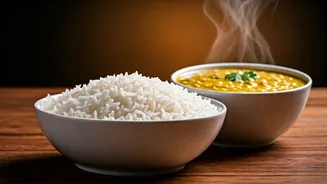
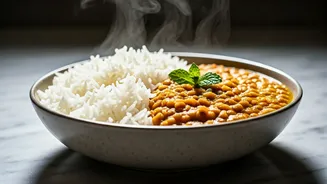
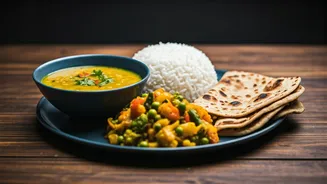
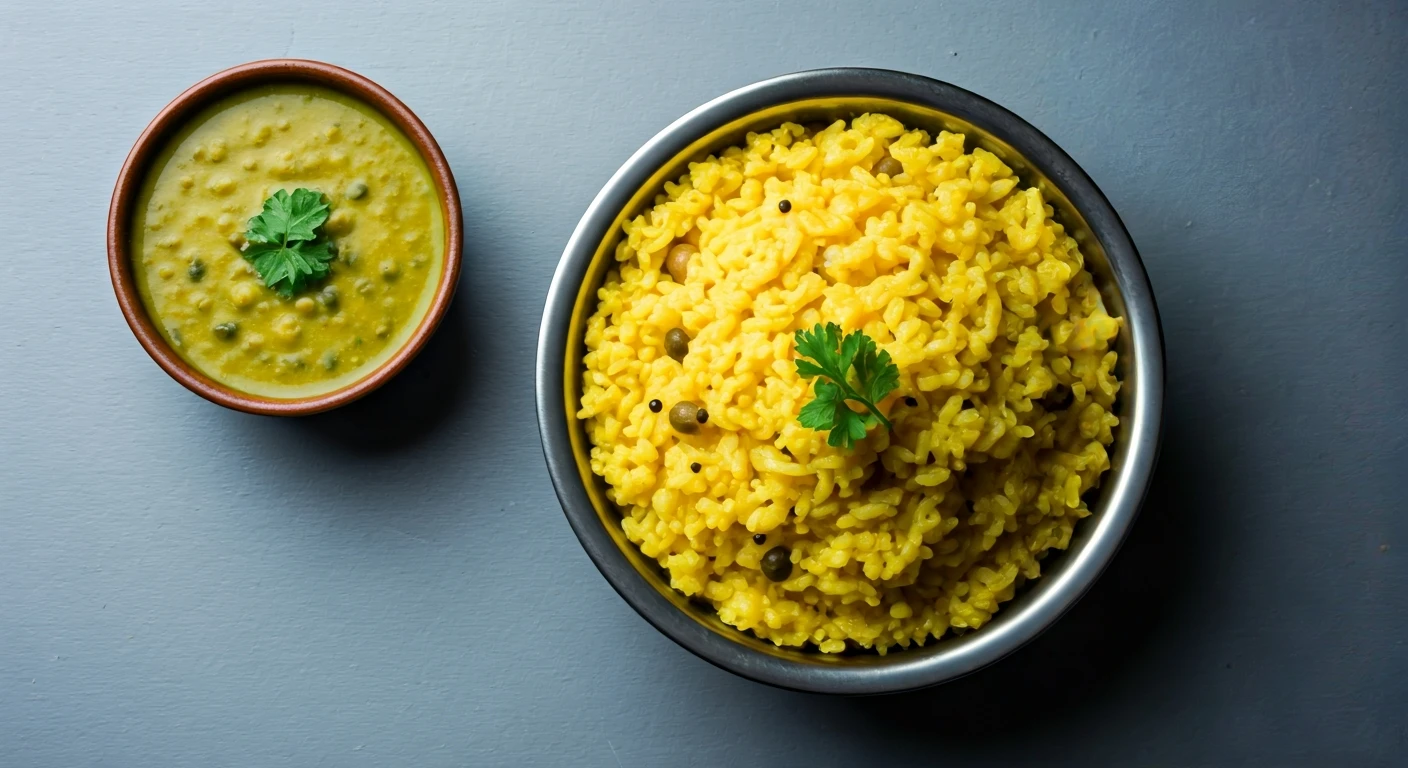
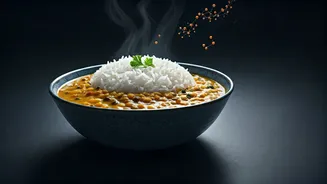
Lego bricks; you need a full set to build anything useful. Grains like rice are typically low in the amino acid lysine. Legumes, like the lentils used to make dal, are packed with lysine but are low in methionine. Eaten separately, they're good. Eaten together, they're brilliant. The lysine from the dal 'completes' the rice, and the methionine from the rice 'completes' the dal. The result? A high-quality, complete protein that’s on par with meat or eggs, providing your body with all the essential building blocks for muscle repair, hormone production, and overall function. It's a culinary tag team perfected over centuries.
A Smarter Energy Equation
We all know the feeling of a carb-heavy meal leading to a blood sugar spike, followed by the inevitable crash. While white rice on its own can cause this effect, pairing it with dal changes the entire equation. Dal is rich in soluble and insoluble fiber. This fiber acts like a traffic cop for your digestive system, slowing down the absorption of carbohydrates from the rice. This means that instead of a rapid surge in blood sugar, you get a slower, more sustained release of energy. This is measured by the glycemic index (GI), which rates how quickly a food raises blood glucose levels. The high fiber content in dal effectively lowers the overall glycemic load of the meal, preventing energy slumps and keeping you feeling full and focused for longer. It’s the difference between a flash flood of energy and a steady, reliable stream.
More Than Just Macros
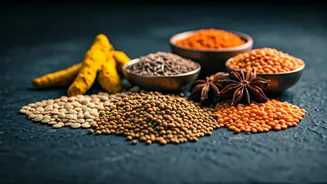
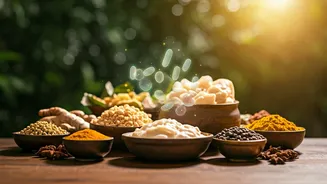
The brilliance of dal-rice extends far beyond proteins and carbs. It’s a powerhouse of micronutrients and gut-friendly compounds. Lentils are loaded with iron, folate, magnesium, and potassium—minerals essential for everything from carrying oxygen in your blood to maintaining a steady heartbeat. The fiber isn't just for blood sugar control; it's also a prebiotic, feeding the beneficial bacteria in your gut microbiome, which is linked to improved immunity, mood, and digestion. Then there are the spices. A typical tadka (the tempering of spices in hot oil or ghee) added to dal isn't just for flavor. Turmeric contains curcumin, a powerful anti-inflammatory compound. Cumin and coriander aid digestion, while a pinch of asafoetida (hing) is traditionally used to reduce gas and bloating associated with legumes. Each ingredient is a functional choice, not just a flavorful one.
The Comfort Is Chemical, Too
Why does dal-rice feel like a hug in a bowl? Part of it is nostalgia, but another part is pure biochemistry. A meal that is warm, easily digestible, and nutritionally complete has a genuinely soothing effect on the body. It doesn't tax your digestive system, and the balanced release of energy avoids the physical stress of blood sugar swings. The combination of carbohydrates and the amino acid tryptophan (present in dal) can also support the production of serotonin, the 'feel-good' neurotransmitter in the brain. So when you crave dal-rice after a long, stressful day, you're not just seeking emotional comfort. Your body is intuitively seeking a meal that is biochemically designed to restore balance, replenish energy, and calm your system. It's a simple, elegant solution for both body and mind.