



Beyond the Faceless Brand
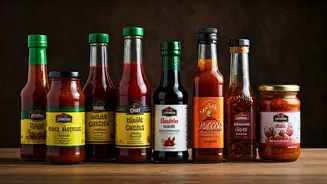
The frozen food and pantry sections of American grocery stores have long offered Indian staples, but they were often presented with a notable lack of personality. Brands like Tasty Bite or Pathak’s offered convenience, but their identity was corporate
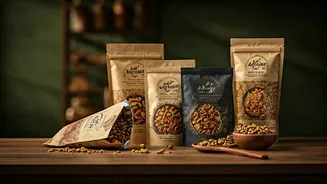
and their narrative was functional. The product was simply 'Tikka Masala Simmer Sauce' or 'Palak Paneer,' presented as an artifact from a distant, monolithic culture. The story, if there was one, was about speed and ease, not heritage or soul. Now, that’s changing dramatically. A wave of new companies, often founded by first- and second-generation Indian Americans, are putting their personal histories on the package. They aren't just selling food; they're selling a story. Their story. This shift is turning a once-anonymous grocery category into a vibrant tapestry of personal narratives, regional specialties, and modern interpretations.
The Power of the Founder's Narrative
Take a look at Brooklyn Delhi, founded by Chitra Agrawal. The brand’s website and packaging don’t just feature its award-winning achaars (Indian pickles) and sauces; they feature Chitra. Her story of learning to cook from her mother, adapting family recipes in her Brooklyn apartment, and wanting to share the complex, savory, and tangy flavors of her heritage is the brand’s foundation. Consumers aren't just buying a jar of Garlic Achaar; they're buying into Chitra's journey. Similarly, Jaswant Kular, founder of Jaswant’s Kitchen, built her company with her daughters, packaging the same spice blends she used to teach them to cook. The story is one of matriarchal knowledge passed down through generations, demystifying Indian cooking for a new audience. This is marketing as memoir, and it creates a powerful sense of connection and trust that a corporate logo simply can't replicate.
Redefining 'Authentic' for a New Generation
This trend is largely driven by children of immigrants who are navigating their identity in a uniquely American context. They grew up with the flavors of their parents' kitchens but also with the palate of the American mainstream. Instead of being caught between two worlds, they are blending them. This new guard isn't interested in presenting a fossilized version of 'authentic' Indian food. Instead, they are defining authenticity on their own terms. It might mean a tomato-based achaar that doubles as a fantastic condiment for a burger, or a 'Golden Turmeric' simmer sauce that feels both ancient and perfectly suited for a modern wellness-conscious consumer. By telling their specific stories—of a South Indian childhood, a Punjabi family kitchen, or a Gujarati upbringing in New Jersey—they are breaking down the myth of a single, uniform 'Indian cuisine.' They are showing Americans that India’s culinary landscape is as diverse and varied as America’s own.
Why We're Buying the Story
This shift isn't happening in a vacuum. Modern consumers, particularly Millennials and Gen Z, crave transparency and connection. In an era of supply chain skepticism and digital anonymity, a founder's personal story is a powerful proxy for quality and trustworthiness. Knowing that a real person with a real family history is behind a product makes it feel more wholesome, more carefully crafted, and more meaningful. We want to know where our food comes from, not just geographically, but culturally. A compelling story transforms a simple transaction into an act of cultural participation. It allows a consumer to feel they are supporting a small business, celebrating a specific heritage, and bringing a piece of that founder’s world into their own home. It’s a way of traveling and connecting without ever leaving the kitchen.