

Dahi: The Everyday Yogurt
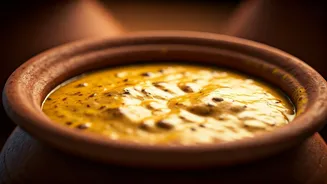
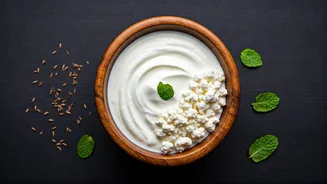
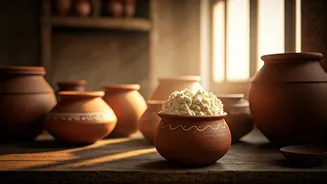
Before Greek yogurt became a breakfast staple in the U.S., dahi was—and still is—a cornerstone of nearly every Indian meal. This homemade or store-bought plain yogurt isn't just a cooling side dish for spicy curries; it's a powerhouse of live bacterial
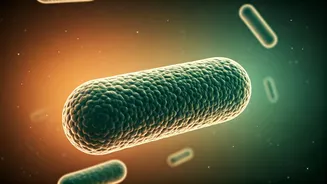
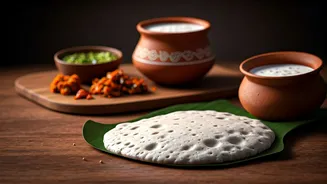
cultures. Unlike many commercially produced flavored yogurts that can be heat-treated (killing the good bacteria) or loaded with sugar, traditional dahi is simply milk fermented by a starter culture from a previous batch. This process cultivates a rich community of probiotics like Lactobacillus acidophilus and Bifidobacterium lactis, which are celebrated for their role in aiding digestion and supporting a healthy gut microbiome. It’s used in drinks (lassi), marinades (for tandoori chicken), and as a simple, elegant accompaniment to rice and lentils.
Idli & Dosa: The Fermented Breakfast Duo
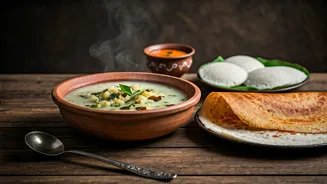
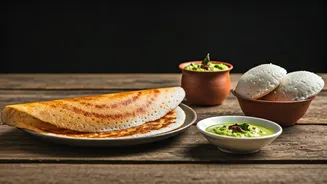
If you’ve ever enjoyed the spongy, steamed cakes called idli or the crispy, savory crepes known as dosa, you’ve eaten one of South India’s most ingenious fermented foods. The batter is the star here. It’s made from a simple blend of ground rice and lentils, which is then left to ferment for 8-12 hours, or even longer in cooler climates. This natural fermentation process does three amazing things: it leavens the batter, making the idlis fluffy and the dosas light; it breaks down the starches and proteins, making them easier to digest; and it creates a thriving ecosystem of lactic acid bacteria. This means your delicious, gluten-free breakfast is also serving you a dose of gut-friendly probiotics before you’ve even had your morning coffee.
Achaar: Not Just Any Pickle
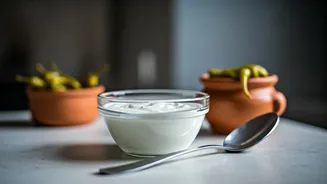
The world of Indian pickles, or achaar, is vast and complex. While many are preserved in oil or vinegar, the most traditional kinds are lacto-fermented, much like sauerkraut or kimchi. These pickles typically use salt to draw water out of vegetables like mango, lemon, or chili, creating a brine where beneficial Lactobacillus bacteria can flourish. These bacteria consume the natural sugars in the vegetables, producing lactic acid which not only preserves the pickle but also gives it its characteristic tangy, complex flavor. The key is to look for pickles that are naturally fermented and not pasteurized, as heat will destroy the live cultures. A spoonful of this potent, spicy condiment with your meal can be a flavorful way to introduce more probiotic diversity into your diet.
Kanji: The Drink You've Never Heard Of
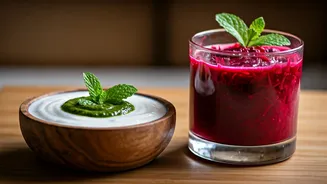
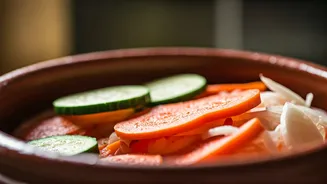
Move over, kombucha. Kanji is a traditional North Indian fermented drink that’s as delicious as it is healthy. Typically made during the winter months, its key ingredient is a surprising one: black carrots. These carrots, along with water, salt, and mustard seeds, are left to ferment in the sun for several days. The process transforms the earthy sweetness of the carrots into a tangy, sour, and slightly pungent beverage with a stunning deep purple hue. The fermentation kickstarts a population of probiotics, making it a classic home remedy for digestive wellness. If black carrots aren't available, it’s often made with red carrots or beets. It’s a perfect example of how traditional food wisdom turned preservation into a health-boosting art.