


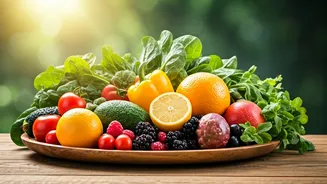
Prioritize Hydrating Foods, Not Just Water
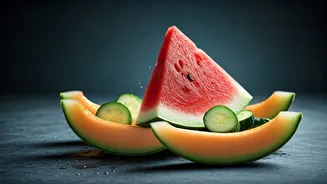
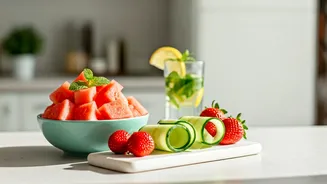
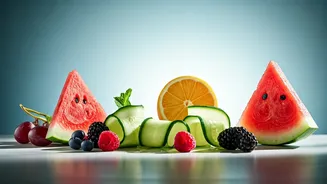
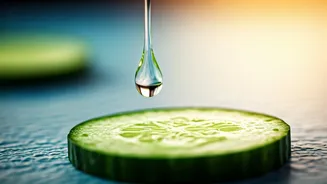
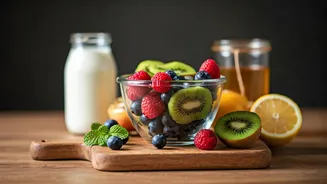
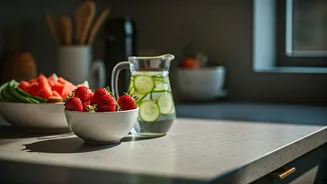
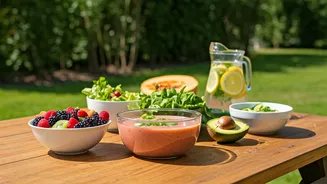
Drinking water is non-negotiable, but you can also *eat* your hydration. Many fruits and vegetables are more than 90% water, and they come with the added bonus of vitamins and electrolytes that your body loses through sweat. Watermelon is the classic
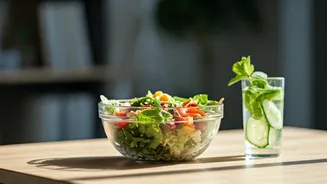
example for a reason—it’s about 92% water and contains nutrients like lycopene. Other champions include cucumbers, celery, strawberries, and cantaloupe. Integrating these into your snacks and meals is a simple way to boost your overall hydration levels without constantly chugging from a water bottle. A cucumber and tomato salad, for instance, is more effective at cooling you down than a bag of pretzels.
Lighten Your Protein and Fat Load
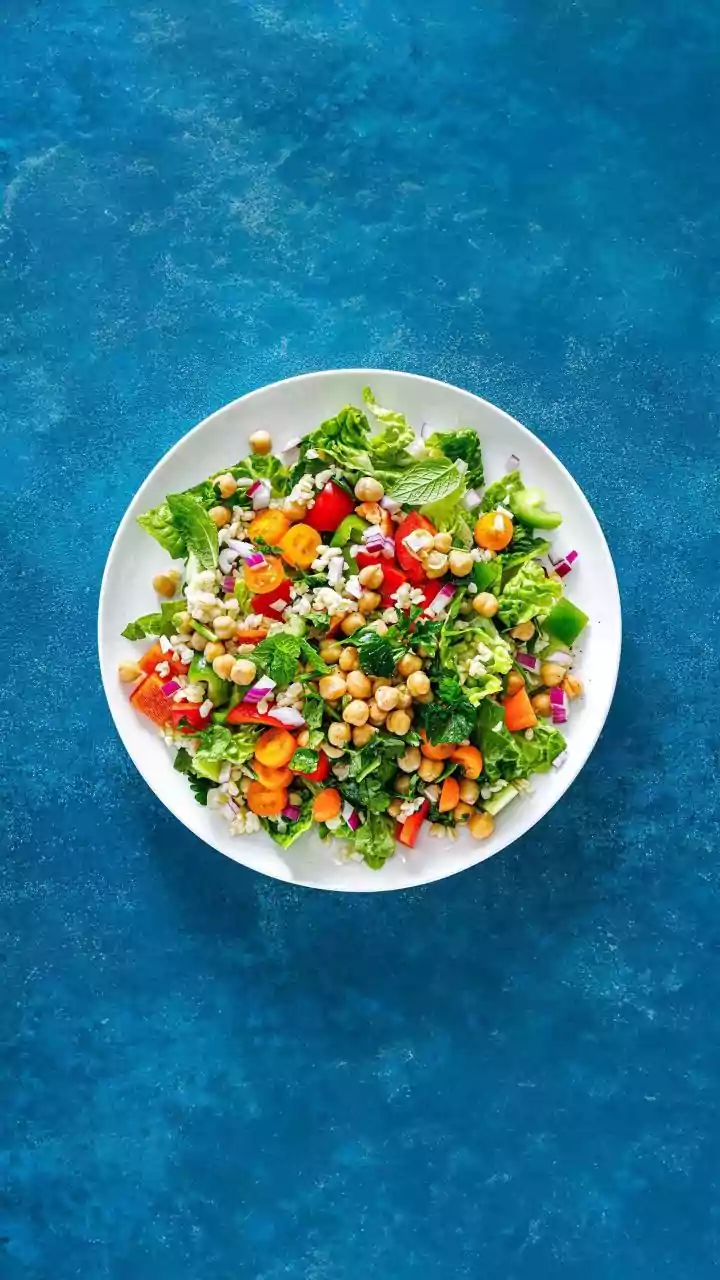
Ever felt sluggish and warm after a big steak dinner? That’s the thermic effect of food (TEF) at work. Digesting food requires energy, which in turn generates heat. Proteins and fats are the most complex macronutrients for your body to break down, so they create more internal heat than carbohydrates. During a heatwave, that’s the last thing you need. Instead of heavy red meats or rich, creamy sauces, opt for lighter proteins that are easier to digest, such as fish, chicken, tofu, or legumes like chickpeas and lentils. A grilled fish taco is a much smarter summer choice than a cheeseburger.
Strategically Embrace a Little Spice
It seems counterintuitive, but a bit of heat can actually help you cool down. The capsaicin in chili peppers triggers a response in your nervous system that tells your brain you’re hot. This, in turn, makes you sweat. As that sweat evaporates from your skin, it produces a cooling effect. This is one reason why spicy cuisines are so popular in many of the world's hottest climates. You don’t need to go overboard; a dash of hot sauce on your eggs or some jalapeños in your salsa can be enough to kickstart this natural cooling mechanism without overwhelming your palate.
Rethink Meal Size and Timing
A large, heavy meal forces your digestive system to work overtime, generating a significant amount of heat. Instead of the traditional three large meals a day, consider switching to smaller, more frequent meals and snacks throughout the day. This keeps your digestive system from being overloaded, minimizing the internal heat produced at any one time. Think of it as providing a slow, steady stream of fuel rather than a single, large log on the fire. This approach can also help stabilize your energy levels, preventing the lethargic crash that often follows a big lunch on a hot afternoon.
Replenish Electrolytes with Smart Snacks
When you sweat, you don't just lose water; you lose crucial electrolytes like sodium and potassium, which are essential for muscle function and hydration balance. While sports drinks are one option, you can easily replenish these minerals through whole foods. For a potassium boost, reach for bananas, avocados, or sweet potatoes. For a healthy dose of sodium, a small handful of salted nuts, a few olives, or even a piece of feta cheese in your salad can do the trick. This is about balance—restoring what you lose through sweat without overdoing it on processed, salty junk food.
Make Leafy Greens Your Foundation
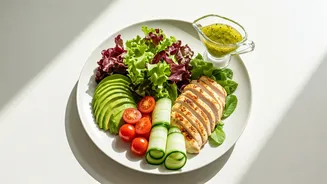
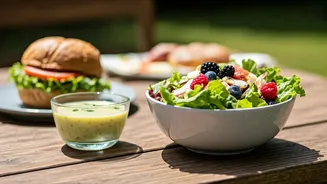
Building your meals around a base of leafy greens is one of the easiest and most effective summer eating habits. Lettuces like romaine and iceberg, along with spinach and kale, have high water content and are incredibly easy for your body to digest. They’re also nutrient-dense and low in calories, making them an ideal foundation for a meal that will fill you up without weighing you down or heating you up. A big, satisfying salad topped with some grilled chicken, cucumber, and a light vinaigrette is the perfect hot-weather lunch, providing hydration, nutrients, and protein in one cool, refreshing package.