



From Off-Season Gamble to Main Attraction
Not long ago, traveling during India's monsoon (roughly June to September) was seen as a budget-conscious gamble. You’d get lower prices on flights and hotels, but you risked being rained in for your entire vacation. That mindset is changing dramatically.
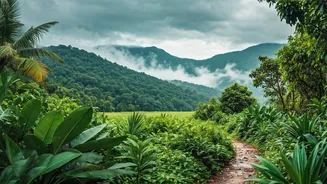
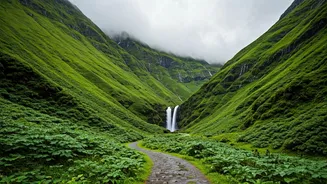
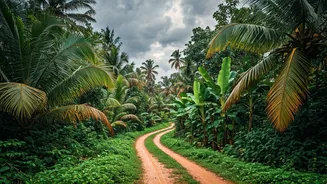
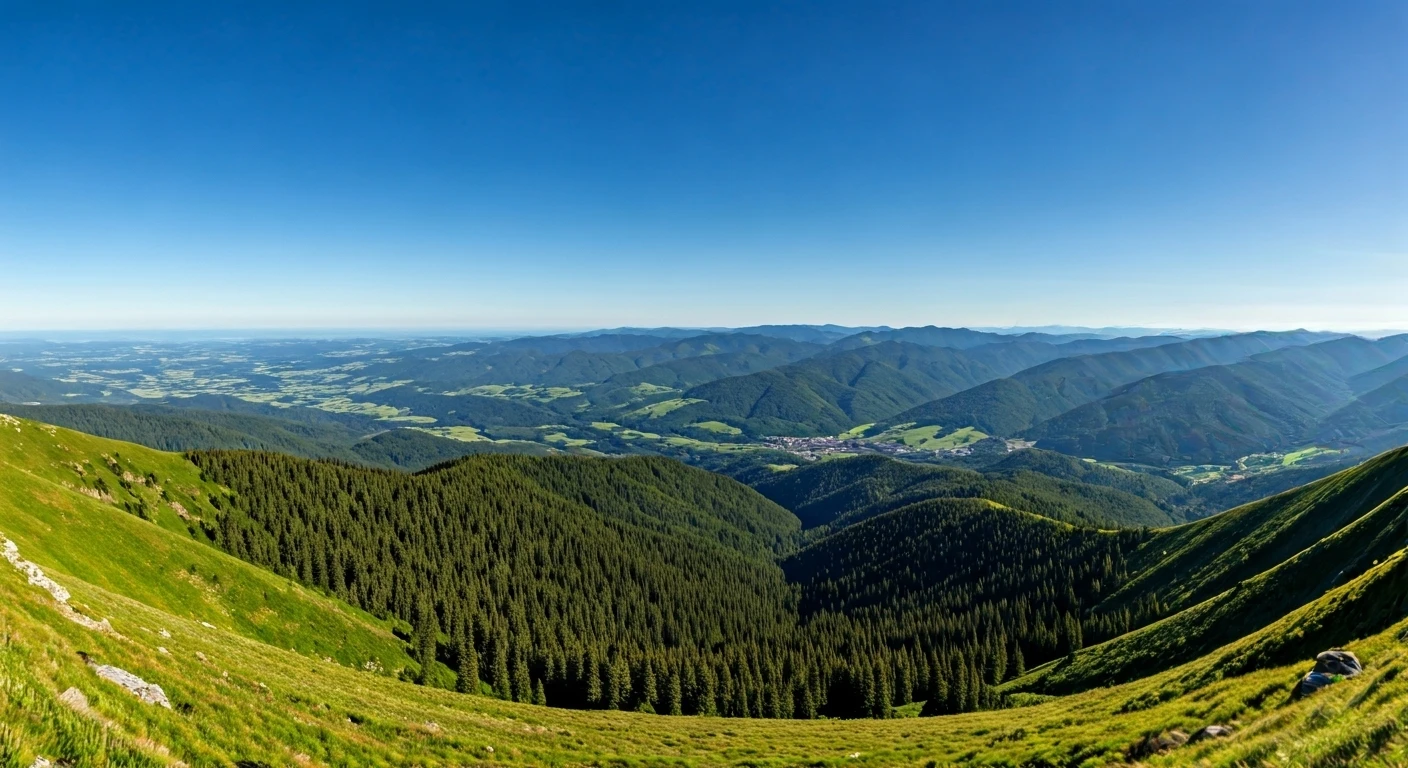
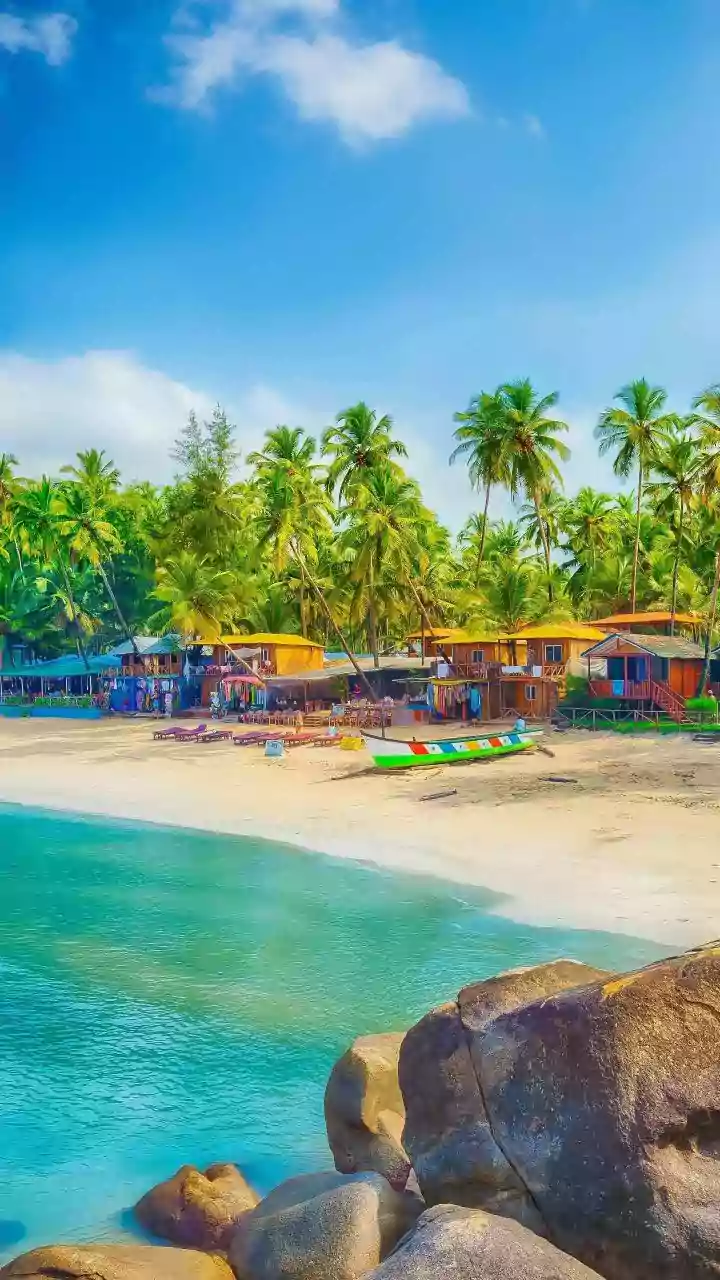
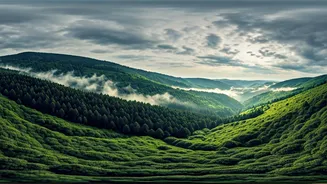
Post-pandemic “revenge travel” has fueled a desire for unique, authentic experiences, and the dramatic, rain-washed landscapes of the monsoon season fit the bill perfectly. Tour operators and hotels report a significant spike in monsoon-season bookings, transforming what was once the travel industry’s slowest period into a burgeoning third tourist season. Travelers are now intentionally chasing the moody skies, lush greenery, and thundering waterfalls of destinations like Goa, Kerala, and the Western Ghats, seeking a dramatic alternative to the crowded summer and winter peak seasons.
The Climate Change Reality Check
This new enthusiasm is tempered by a harsh reality: climate change is making the monsoon more unpredictable and dangerous. The romantic image of gentle, steady rain has been increasingly replaced by news reports of terrifying flash floods, deadly landslides, and entire regions being cut off. The catastrophic flooding in the northern state of Himachal Pradesh in 2023, which washed away roads and stranded thousands of tourists, served as a powerful wake-up call. This is the core reason why planning has “gotten serious.” Travelers understand that the risk isn’t just a canceled excursion; it’s a genuine safety threat. The idyllic Goan downpour is one thing; being caught in a Himalayan cloudburst is another entirely. This heightened awareness is forcing a more mature, risk-assessed approach to what used to be a spontaneous getaway.
The New Monsoon Travel Toolkit
So, what does “serious planning” actually look like? It’s a multi-pronged strategy that goes far beyond just packing an umbrella. First and foremost is travel insurance. Once an afterthought, comprehensive policies that cover trip cancellations due to weather, medical emergencies, and evacuations are now considered non-negotiable for many. Second is destination selection. Travelers are becoming more discerning, opting for less vulnerable locations. A wellness retreat in the stable plains of Kerala, for instance, is seen as a safer bet than an ambitious high-altitude trek in Uttarakhand. Third is booking flexibility. Travelers are prioritizing hotels and airlines that offer free cancellations or easy rescheduling, giving them an escape hatch if weather forecasts turn grim just before their departure date. It’s no longer about hope; it’s about having a Plan B.
Technology as the Ultimate Co-Pilot
Modern technology has become an indispensable tool in the new monsoon travel playbook. It’s not just about checking a generic weather app anymore. Savvy travelers are using hyper-local, real-time weather services and satellite imagery to track storm systems with granular detail. Social media platforms, particularly X (formerly Twitter) and Instagram, along with community-based apps like Waze, have become vital for crowdsourcing on-the-ground conditions. Travelers check local police feeds and traveler-generated hashtags for instant updates on road closures, flooding, and landslide warnings. This digital vigilance allows for dynamic decision-making, like rerouting a road trip on the fly or deciding to stay put for an extra day to let a storm pass. This constant stream of information empowers travelers, reducing their reliance on luck and giving them a greater sense of control in an inherently unpredictable environment.