




Trading the Big Five for a Single Stripe
The African safari, with its iconic “Big Five”—lion, leopard, rhinoceros, elephant, and Cape buffalo—is a travel rite of passage. But what happens after you’ve ticked those boxes? For many seasoned travelers, the answer isn't a return trip, but a pivot
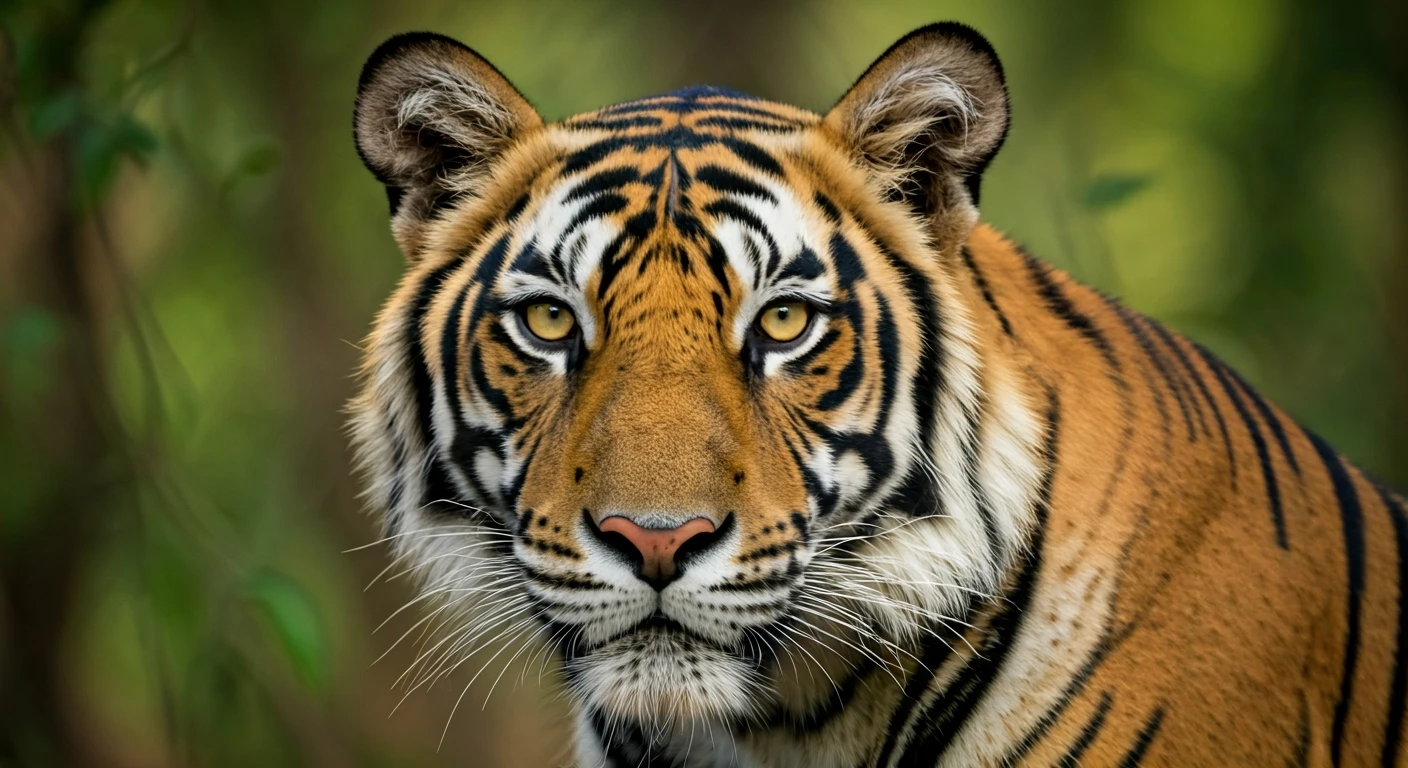
east to the Indian state of Rajasthan. Here, the goal isn't a checklist of large mammals but a singular, heart-pounding quest: seeing a Bengal tiger in the wild. Ranthambore National Park, a former royal hunting ground, is the epicenter of this experience. Unlike the wide-open plains of the Masai Mara, Ranthambore is a dramatic landscape of dry deciduous forest, rocky outcrops, and ancient ruins. The 10th-century Ranthambore Fort looms over the park, a constant reminder that you are in a land steeped in history. Tracking a tiger here is a different kind of game. It’s a detective story told in pugmarks, alarm calls from deer, and the hushed whispers of your guide. The moment a 500-pound cat emerges from the foliage, its striped coat a masterpiece of camouflage, is a visceral thrill that many say eclipses any other wildlife encounter.
A Land of Kings and Leopards
Rajasthan’s appeal extends beyond the tiger. In the Jawai region, a unique landscape of granite hills, or kopjes, has become one of the best places on earth to see leopards. What makes Jawai extraordinary is the harmony between predators and people. Leopards roam the hills and temple steps, coexisting with the local Rabari herdsmen in a delicate, centuries-old balance. A Jawai safari isn't just about spotting the elusive cat; it's about witnessing this unique relationship. You might see a leopard lounging on a rock above a village as life goes on below, a sight unthinkable in most parts of the world. This is the cultural immersion that sets a Rajasthani safari apart. Your game drive isn’t just through a protected wilderness but through a living, breathing landscape where myth, history, and nature are inextricably linked. You’re not just an observer in a park; you’re a guest in a kingdom.
The Safari Experience, Reimagined
The mechanics of the safari are similar, but the feel is distinct. Instead of the customized Land Cruisers common in Africa, the vehicle of choice in India is the open-top Maruti Suzuki Gypsy, a nimble, rugged jeep perfect for navigating narrow forest tracks. Drives are typically scheduled for early morning and late afternoon, when animals are most active, and are led by expert local guides who know the terrain and its inhabitants intimately. The tracking itself is more intense. In the denser foliage of Ranthambore, every sense is on high alert. The snap of a twig or the shriek of a langur monkey could signal a nearby predator. This creates a suspenseful, immersive experience that is less about passive viewing and more about active participation in the hunt. The scale is also different. While African parks can feel boundless, Indian national parks are often smaller and more intensely managed, meaning the density of action can feel more concentrated.
Palatial Camps and Heritage Stays
One of the undisputed highlights of an African safari is the quality of the lodging, from luxury tented camps to grand lodges. Rajasthan not only competes on this front but offers its own unique brand of opulence. The concept of the luxury tented camp was arguably perfected here, inspired by the lavish caravans of the Maharajas. Camps like Suján Sher Bagh in Ranthambore or Suján Jawai offer levels of comfort, service, and cuisine that are world-class, all with a distinctively Indian flair. Beyond tents, Rajasthan's advantage lies in its vast repository of heritage properties. Travelers can stay in converted forts, palaces, and havelis (private mansions) that are destinations in their own right. This allows for a trip that seamlessly blends wildlife adventure with deep cultural and architectural immersion, something no other safari destination can offer in quite the same way.