

The Double Threat of Standing Water
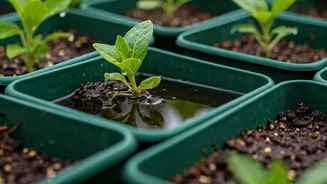
Before we dive into the 'how,' let's focus on the 'why.' Stagnant water poses a two-pronged threat to your tranquil garden oasis. First, for your plants, it’s a death sentence for roots. Most garden plants, even those that love moisture, cannot survive
in waterlogged soil. When roots are submerged for extended periods, they are deprived of oxygen, leading to root rot. This fungal disease is difficult to reverse and often results in yellowing leaves, stunted growth, and the eventual demise of the plant. Second, and just as important, is the public health risk. A single bottle cap of standing water can become a breeding ground for hundreds of mosquitoes. These pests are not only a nuisance that can ruin a pleasant evening outdoors but are also vectors for diseases like West Nile virus and Zika. By eliminating standing water, you are simultaneously protecting your botanical investments and your family’s health.
Conduct a Pre-Rain Garden Audit
The best time to prepare is before the first storm clouds gather. Take a walk through your yard with a specific mission: identify every single object or area that could potentially hold water. This is more than just looking for obvious puddles. Get granular. Look at the saucers under your potted plants. Check that empty wheelbarrow you’ve been meaning to put away. Inspect decorative urns, buckets, and even children’s toys left on the lawn. Pay attention to the landscape itself. Are there low spots in your garden beds or lawn that consistently collect water after you irrigate? Do you have tarps or plastic sheeting covering furniture or equipment? Anything with a depression, lip, or cavity is a potential reservoir. Make a mental note or a physical list of these problem spots. This initial audit is your roadmap for action.
Container Garden and Pot Management
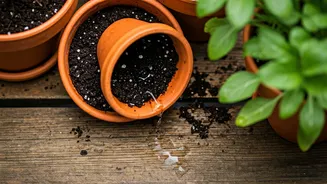
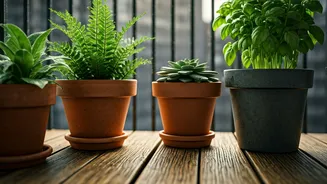
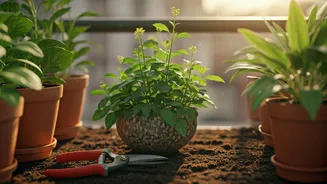
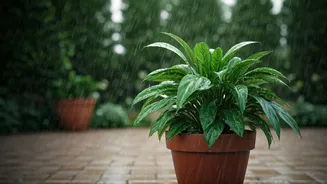
Container gardens are often the biggest culprits for collecting stagnant water. Your first step is to address the saucers. While they are great for catching excess water during normal irrigation, they become miniature ponds during a downpour. The simplest solution is to temporarily remove them during the rainy season. If you can't, commit to emptying them within a few hours of every rainfall. Next, ensure every pot has adequate drainage. Flip them over and check that the drainage holes are clear of obstructions. If a pot has no holes, now is the time to either drill some or designate it as an indoor-only pot. Finally, consider elevating your pots. Using “pot feet,” bricks, or simple wooden blocks to lift your containers even an inch off the ground dramatically improves airflow and allows excess water to drain away freely, preventing the dreaded 'wet feet' that leads to root rot.
Strategies for In-Ground Beds
For plants in the ground, you can’t just tip the water out. Prevention is about improving drainage. If you have heavy clay soil, amending it with organic matter like compost can improve its structure and ability to drain. Do this well before the rains start. Mulch is your friend, but it can also be your enemy. A thick, compacted layer of mulch can prevent water from reaching the soil and create a swampy surface layer. Before the season, rake your mulch to fluff it up and ensure it’s not forming a water-repellent barrier. For persistent low spots, consider a more permanent landscaping solution. Creating a gentle swale—a shallow, grassy channel—can help redirect excess water away from your planting beds to an area where it can be better absorbed or safely run off. This turns a problem area into a functional feature of your landscape design.
Don't Forget the Gutters and Fixtures
Your garden care extends beyond the soil. Clogged rain gutters are a primary source of water issues. When they overflow, they can dump a massive sheet of water onto the garden beds directly below your roofline, overwhelming your plants and eroding soil. A pre-monsoon gutter cleaning is non-negotiable. While you’re looking up, check your downspouts. Ensure they are directed away from your home’s foundation and your prized flowerbeds. Also, remember to manage other water-holding features. If you have a bird bath, commit to changing the water every two to three days. For decorative ponds without fish or aeration, consider using mosquito dunks—small, donut-shaped pucks containing a bacteria that is toxic to mosquito larvae but harmless to other wildlife. A little diligence across your entire property is the key.