








Eat for Internal Air-Conditioning
In the sweltering heat of an Indian summer, the last thing you want is a heavy, heat-producing meal. Traditional wisdom, including principles from Ayurveda, focuses on foods that are naturally cooling and easy to digest. This helps lower your internal
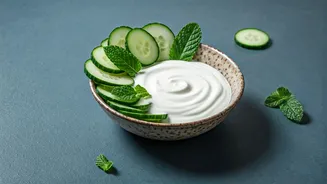
body temperature and prevents the sluggish feeling that often accompanies hot weather. Think of it as adjusting your body’s thermostat from the inside out. Incorporate water-rich fruits and vegetables like cucumber, watermelon, and leafy greens. These not only hydrate but also have a cooling effect. Spices aren't off-limits; in fact, cooling spices like mint, fennel, and coriander are staples. A classic Indian side dish, raita—a simple mix of yogurt, cucumber, and mint—is the perfect example of a cooling food. For your U.S. kitchen, this translates to swapping heavy roasts for large salads, enjoying chilled soups like gazpacho, and snacking on fresh fruit instead of processed, salty snacks that can dehydrate you.
Hydrate Smarter, Not Harder
Chugging ice-cold water might feel satisfying, but it can sometimes be a shock to the system. In India, summer hydration is a more nuanced art. Drinks are often served cool or at room temperature and are designed not just to hydrate, but also to replenish electrolytes and aid digestion. Water is often infused with cooling ingredients like slices of lemon, cucumber, or mint leaves. One of the most popular summer drinks is a lassi, a yogurt-based beverage that can be sweet or savory. The probiotics in yogurt support gut health, which can be stressed by heat. Another favorite is jal-jeera, a tangy drink made with cumin and other spices that aids digestion. You can easily make your own versions at home. Try starting your day with a glass of room-temperature water with a squeeze of lime. Instead of plain water all day, mix in an unsweetened herbal iced tea with mint or hibiscus, both known for their cooling properties.
Time Your Day with the Sun
In a climate where midday temperatures can be punishing, life is structured around the sun’s rhythm. The hottest part of the day, typically from around 11 a.m. to 4 p.m., is reserved for rest, indoor work, or slower activities. Vigorous exercise, errands, and outdoor tasks are scheduled for the early morning or late evening when the air is cooler and the sun is less intense. This isn't about being lazy; it's a smart, energy-preserving strategy that has been practiced for generations. Applying this to a modern American schedule might seem challenging, but small adjustments can make a big difference. If you can, shift your daily run or workout to dawn or dusk. Plan your grocery shopping and other errands for the cooler parts of the day. If you work from home, use the peak heat hours for focused, seated tasks and take a break in a cool room rather than pushing through with a walk.
Embrace Simple Cooling Rituals
Beyond diet and scheduling, daily rituals can provide significant relief from the heat. A cool (not cold) shower before bed is a common practice in India to wash away the day's sweat and grime, lower body temperature, and promote restful sleep. Another simple yet effective technique is using rose water, which is known for its cooling and anti-inflammatory properties. A light spritz on your face and neck can be instantly refreshing. Even the way you care for your feet can make a difference. Soaking your feet in a basin of cool water with a few drops of peppermint or eucalyptus oil can help cool your entire body, as the feet are key points for temperature regulation. These small, mindful acts don't require much time or money but can drastically improve your comfort level on a scorching day.
Choose Your Fabrics Wisely
When it's hot and humid, your clothing can either be a personal sauna or a portable ventilation system. The choice of fabric is paramount. In India, lightweight, natural, and breathable fabrics like cotton, linen, and khadi (a hand-spun cotton) are the undisputed champions of summer wardrobes. These materials allow air to circulate freely, wick moisture away from the skin, and don't trap heat like synthetic fibers such as polyester or nylon. Loose-fitting garments are also key. A flowing cotton dress, loose linen trousers, or an airy tunic allows for a layer of air to move between your skin and the fabric, creating a natural cooling effect. When shopping for your own summer wardrobe, prioritize 100% cotton, linen, or rayon. Opt for lighter colors, as they reflect sunlight rather than absorb it, and choose silhouettes that give you room to breathe.