

The Humidity and Kibble Connection
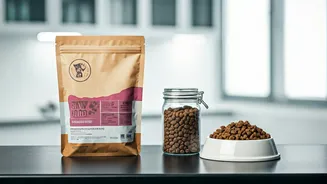
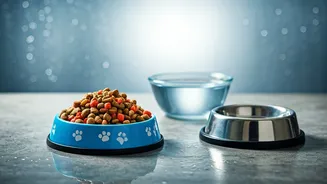
The biggest bag of kibble isn’t always the best deal, especially during monsoon season. The primary threat is humidity. Dry pet food is designed to be, well, dry. When exposed to the moisture-laden air typical of monsoon weather, kibble can act like a sponge,
absorbing water from the atmosphere. This seemingly harmless process creates the perfect breeding ground for mold. Some molds produce mycotoxins, such as aflatoxin, which are invisible and incredibly dangerous for pets. Ingesting these toxins can lead to liver damage, loss of appetite, vomiting, and in severe cases, can be fatal. The original bag your pet's food comes in is designed for shipping, not long-term storage in a humid environment. Once opened, its protective qualities diminish. Instead of leaving a large bag open in the garage or pantry, transfer smaller amounts of food into a clean, dry, airtight container. Consider buying smaller bags you can use up more quickly during these high-humidity months.
Water, Water Everywhere… But Not to Drink
The sudden abundance of puddles and runoff can seem like a giant, exciting water park for a thirsty dog. However, these temporary water sources are a cocktail of potential hazards. Standing water is a magnet for bacteria and parasites that thrive in warm, wet conditions. Two of the biggest concerns are Leptospirosis, a bacterial disease spread through the urine of infected wildlife, and Giardia, a microscopic parasite that causes severe gastrointestinal distress (a condition sometimes called “beaver fever”). Both can be contracted by drinking from contaminated puddles. Furthermore, rainwater can collect pesticides, automotive fluids, and other chemicals as it runs off lawns, driveways, and streets. The rule is simple: always carry fresh, clean water for your pet on walks, and actively discourage them from drinking from any outdoor source. After a walk, be sure to clean and dry their paws to prevent them from licking off any contaminants.
Slight Tweaks to Their Diet
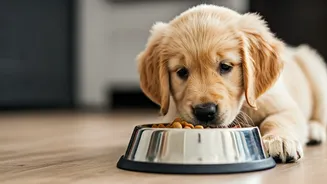
Monsoon season often changes our pets’ activity levels. The dramatic thunderstorms, high winds, and periods of intense rain can mean fewer and shorter walks. Combined with the oppressive humidity, many animals naturally become less active. If your pet is getting significantly less exercise, they are burning fewer calories. Continuing to feed them the same amount could lead to weight gain over the course of the season. Pay attention to your pet’s body condition. You should be able to feel their ribs easily without a thick layer of fat covering them. If you notice them putting on weight, a small reduction in their daily food portion—around 10%—may be necessary. It can also be a good time to incorporate moisture-rich and easily digestible foods, like plain canned pumpkin (not pie filling), into their diet as a treat. Pumpkin is high in fiber and can help soothe a mildly upset stomach.
Know the Signs of Tummy Trouble
Even with the best precautions, accidents can happen. It’s crucial to know the warning signs that your pet may have ingested something harmful. Food or waterborne illnesses often manifest as gastrointestinal issues. Be on the lookout for symptoms such as: - Vomiting or diarrhea - Loss of appetite or refusal to eat - Lethargy or unusual tiredness - Abdominal pain or bloating - Excessive drooling If you notice any of these signs, especially if they appear suddenly or are severe, it’s important to contact your veterinarian immediately. Don't wait for it to pass. When you call, be prepared to describe the symptoms and any potential exposures, such as a new bag of food or a recent walk where they drank from a puddle. Early intervention is key to a swift recovery.