

So, What Exactly Is Poha?
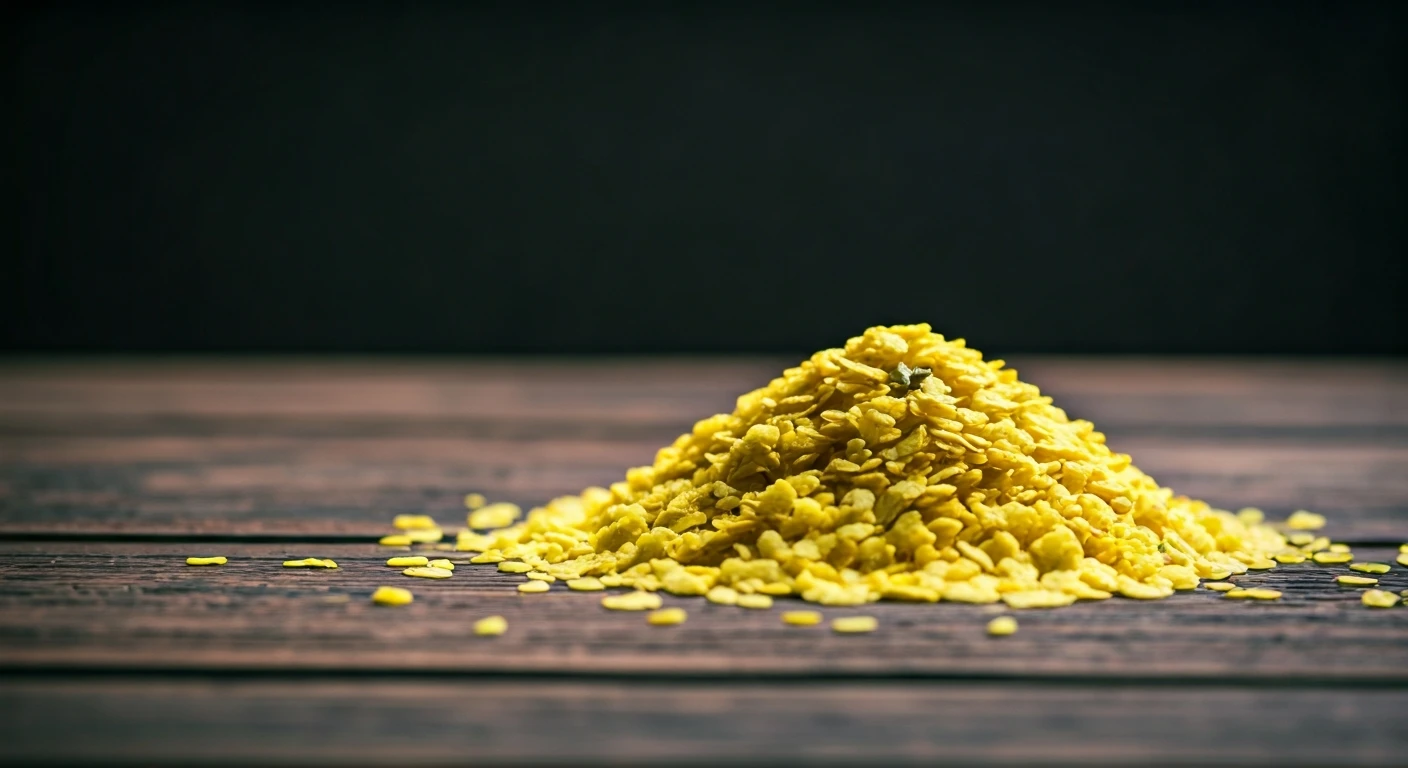
Before we get to the celebration, let's talk about the star of the show. Poha isn't a brand or a complicated recipe; it's a core ingredient and the simple dish made from it. The ingredient is flattened rice (also called beaten rice), which is created
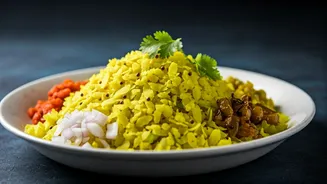
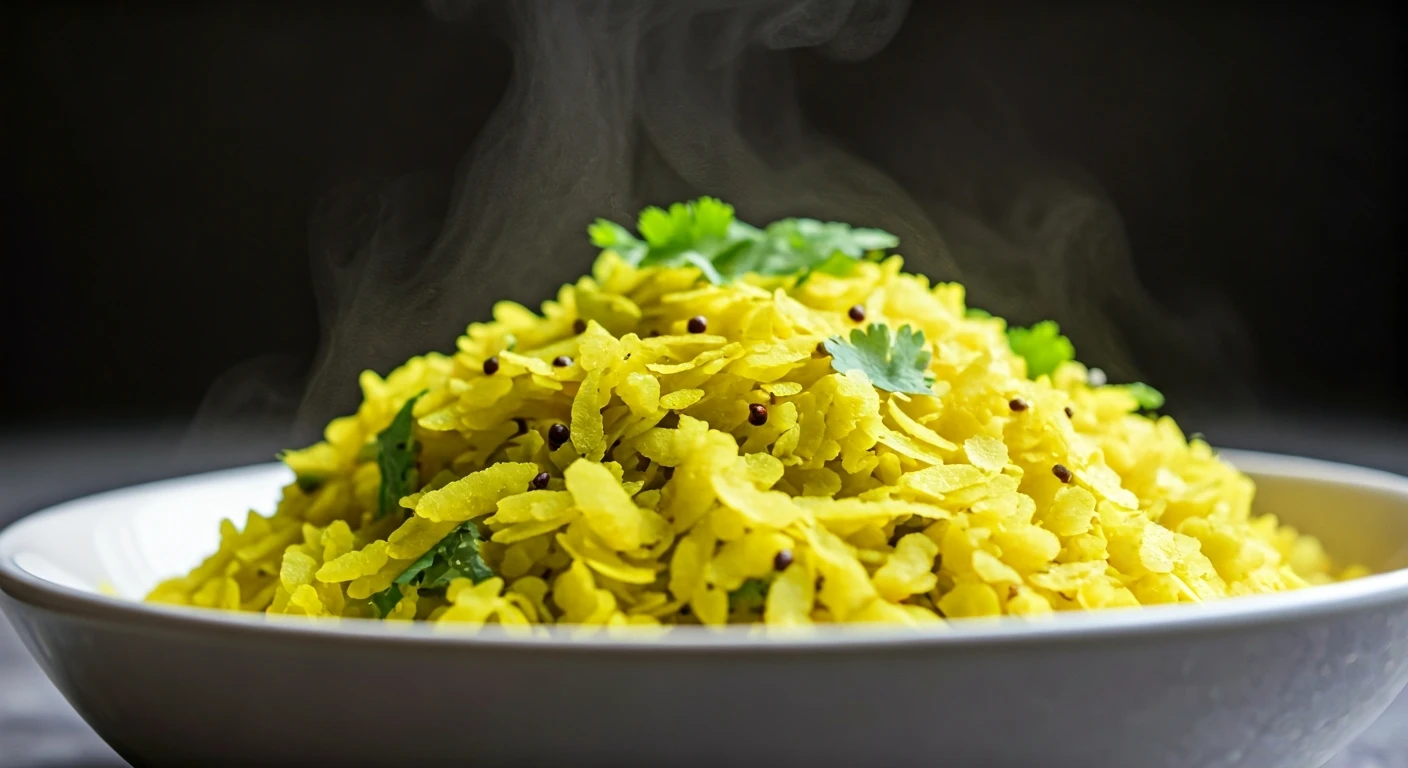
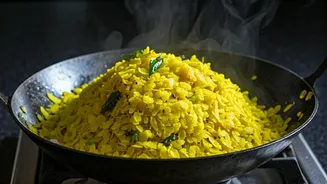
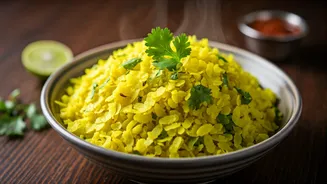
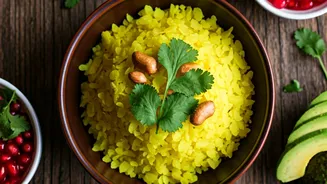
by parboiling rice grains and then rolling them flat. The result is a pile of dry, papery flakes that look a bit like uncooked oatmeal but are incredibly light. The magic happens when you rehydrate them. A quick rinse under water is all it takes to soften the flakes into a tender, fluffy base. From there, the dish—also called poha—comes together in minutes. The most classic preparation involves sautéing mustard seeds, turmeric, curry leaves, and onions, then tossing in the softened rice flakes. The turmeric gives the dish its signature sunny-yellow hue, while the other ingredients provide a foundation of savory, aromatic flavor. It’s simple, fast, and endlessly adaptable.
A Breakfast Staple and Beyond
In the United States, breakfast often falls into two camps: sweet (pancakes, cereal) or heavy (bacon and eggs). Poha occupies a unique space. It’s light yet satisfying, savory but not overwhelming, and gluten-free by nature. In many parts of India, especially in the western and central states of Maharashtra, Gujarat, and Madhya Pradesh, it’s the undisputed king of breakfast. It’s the go-to meal for office workers grabbing a quick bite from a street vendor, the comforting dish a mother makes for her family on a busy morning, and the reliable snack served to unexpected guests. Its appeal lies in its trifecta of benefits: it’s cheap, it’s incredibly quick to cook, and it’s a perfect vehicle for other flavors. Unlike dishes that require hours of simmering, a bowl of poha can be on the table in under 15 minutes. This efficiency has cemented its place not just as a breakfast food but as an all-day snack that provides a quick-digestible carb boost without the heaviness of bread or fried foods.
One Dish, Many Personalities
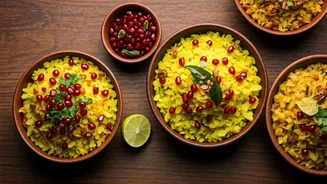
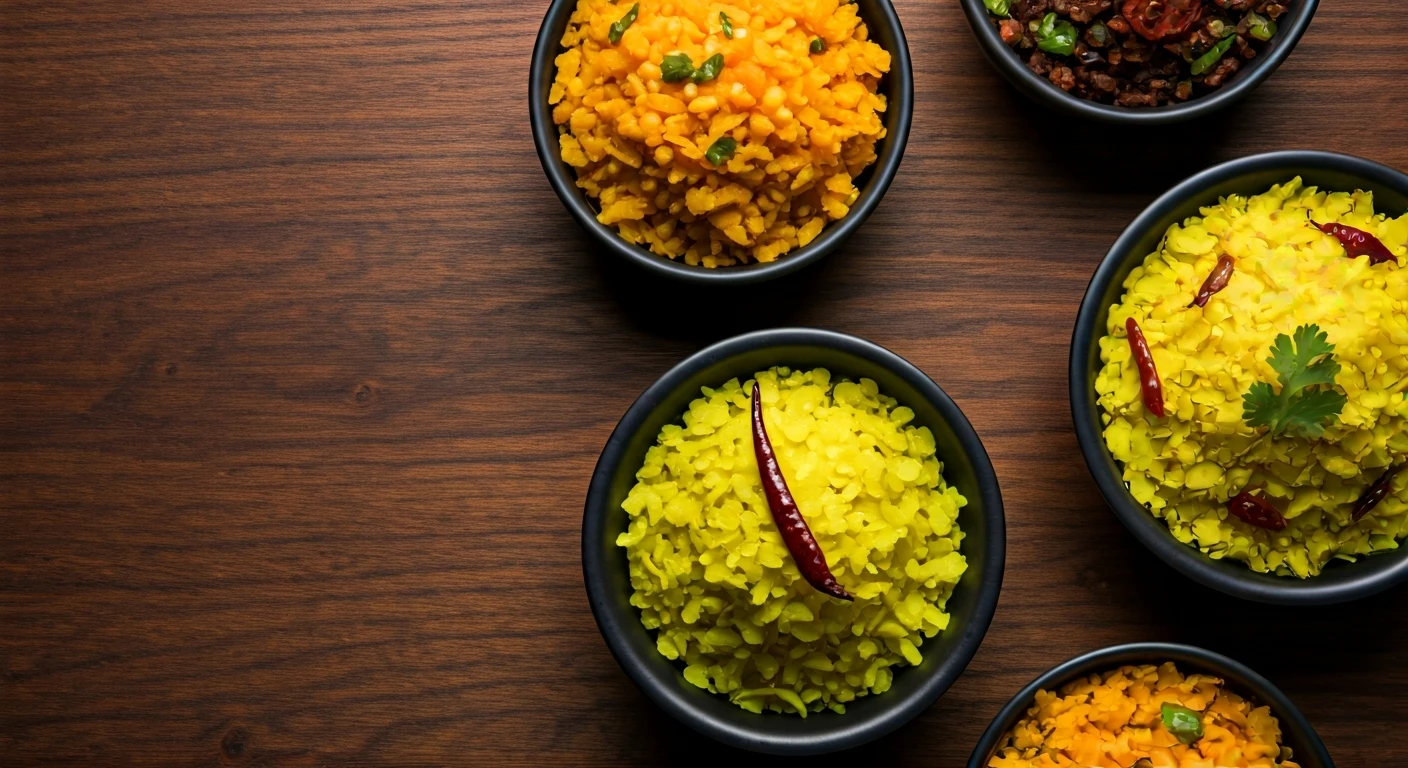
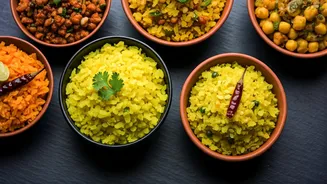
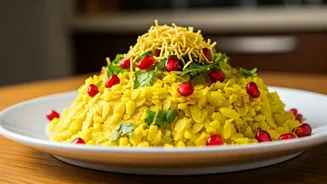
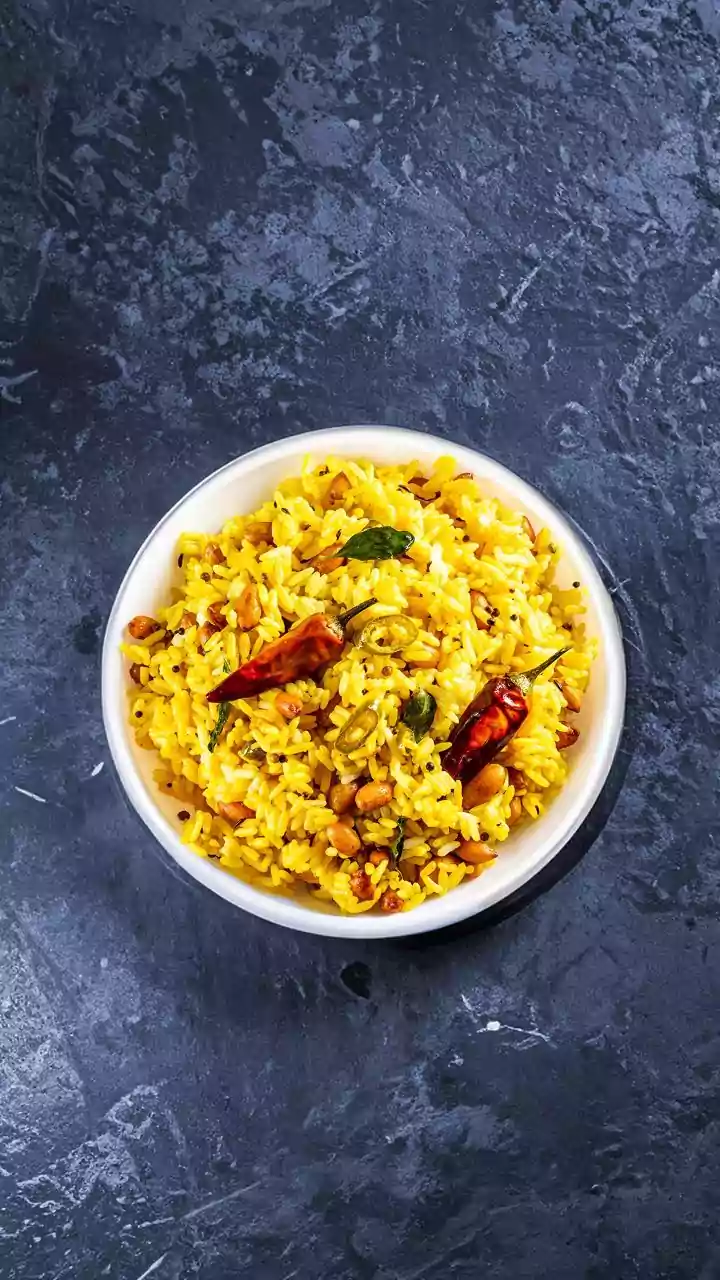
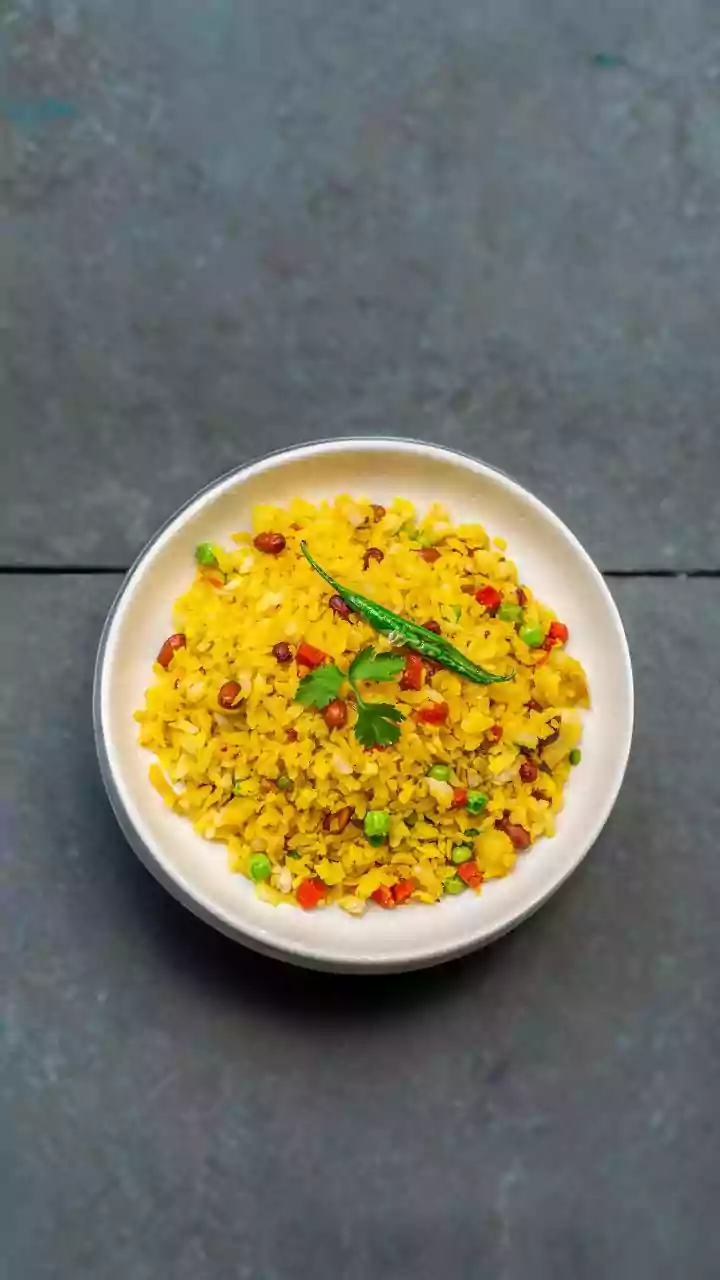
To say you’re eating “poha” is like saying you’re eating “a sandwich.” The real question is, what kind? The dish is a canvas for regional creativity. In Maharashtra, *kanda poha* (onion poha) is a classic, often garnished with fresh cilantro, grated coconut, and a squeeze of lime. Some versions add potatoes, turning it into *batata poha*. Head to the city of Indore in Madhya Pradesh, and you’ll find a completely different experience. *Indori poha* is famous for its unique sweet and savory flavor profile, often steamed to perfection and topped with a generous handful of crunchy sev (fried chickpea flour noodles), pomegranate seeds, and a special spice blend called *jeeravan*. It’s a riot of textures and tastes in every spoonful. In other regions, you’ll find poha made with peas, peanuts for crunch, or even served as a sweet dish with jaggery and coconut. This versatility is key to its enduring popularity; it’s a dish that belongs to everyone because everyone can make it their own.
Why a Day for a Humble Snack?
So why the need for a “World Poha Day” on June 7? In a world of globalized food trends, where pizza and croissants are universally recognized, local staples can sometimes be taken for granted. This day, largely driven by food enthusiasts and social media in India, is less about formal recognition and more about cultural appreciation. It’s a moment to celebrate a food that is deeply woven into the fabric of daily life for hundreds of millions of people. It’s a chance for people to share their family recipes, for street vendors to see extra-long lines, and for Indians living abroad to feel a sense of nostalgic connection to home. For the rest of the world, it’s an invitation. It serves as a gentle nudge to look beyond the well-known curries and tandoori dishes and discover the simple, everyday foods that truly define a culture’s palate. Giving poha a “day” isn’t about elevating it to gourmet status; it’s about honoring its beautiful simplicity and the quiet, consistent role it plays.