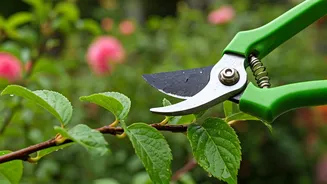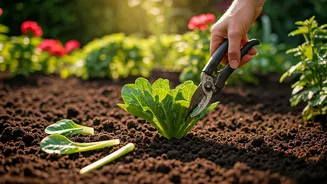






Why June Pruning Matters
Unlike the dormant pruning of late winter or the big cleanup of early spring, June pruning is all about active management. Plants are in full-growth mode, fueled by long days and warm sun. Your job is to direct that growth. Strategic cuts now can improve
air circulation to prevent disease, encourage a second wave of flowers on perennials, and keep shrubs from becoming overgrown, woody messes by August. Think of yourself not as a remover, but as an editor. You’re making careful decisions to enhance the overall story of your garden for the rest of the season. This is the month where a little bit of targeted effort pays off tenfold in blooms, bounty, and beauty.
Say Goodbye to Spring's Flowers
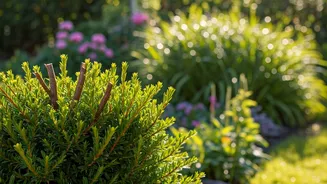
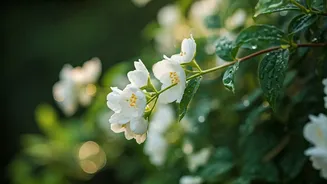
The most urgent pruning task in June involves the shrubs that put on a spectacular show in April and May. We’re talking about lilacs, forsythia, weigela, and certain types of spirea. The golden rule is simple: prune spring-flowering shrubs right after they finish blooming. Why? Because they form next year's flower buds on the growth they produce this summer. If you wait until fall or winter to prune them, you’ll be cutting off all of next spring's flowers. For these plants, focus on removing a few of the oldest, thickest stems at the base to encourage new growth. You can also trim the plant for shape and size, cutting stems back to a healthy, outward-facing bud.
Give Perennials the 'Chelsea Chop'
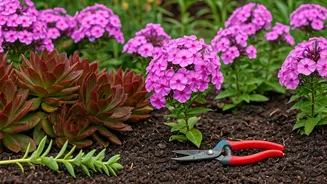
As your favorite perennials like catmint (Nepeta), bee balm (Monarda), and garden phlox start getting tall, they are at risk of “flopping” open from the center, especially after a heavy rain. To prevent this and encourage bushier, sturdier plants, it's time for a technique known as the “Chelsea Chop.” Named for the famous British flower show that happens in late May, the concept is to cut back the top third of the stems. This delays flowering slightly but results in more side shoots, more overall blooms, and a plant that stays upright. You don’t have to do the whole plant; you can experiment by chopping the front half to create a tiered, longer-lasting floral display.
Deadhead for a Second Act
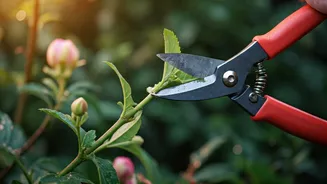
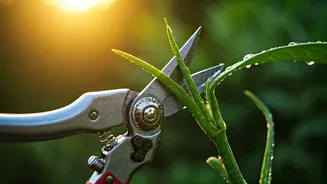
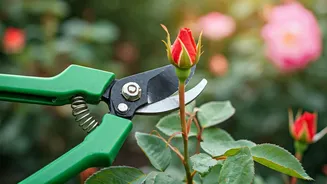
Deadheading—the simple act of removing spent flowers—is the single most effective thing you can do in June to keep the flower show going. When a plant’s flowers fade, its energy shifts to producing seeds. By snipping off those old blooms, you trick the plant into trying again, pushing out a fresh wave of flowers. This works wonders for annuals like petunias and marigolds, and for perennials like salvias, coreopsis, and coneflowers. For plants with single flowers on a stem (like a rose or zinnia), snip the stem back to the first set of healthy leaves. For plants with clusters of flowers (like salvia), wait until most of the flowers on a stalk are faded and cut the whole stalk back to the base of the plant.
Shape Your Summer Stars and Edibles
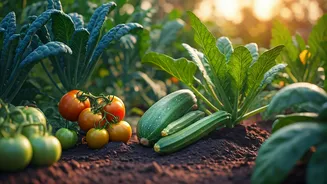
June is also the time to guide your summer-blooming shrubs and edibles. For roses, deadheading is essential. For many re-blooming varieties, cutting the spent flower stem back to a five-leaf leaflet will encourage a strong new cane and more flowers. For hydrangeas, it’s crucial to know what type you have. If it blooms on “old wood” (like an oakleaf or macrophylla), avoid any major pruning now. If it blooms on “new wood” (like a ‘Limelight’ or ‘Annabelle’), you can lightly shape it if needed. In the vegetable and herb garden, pinch back the growing tips of basil to make it grow into a full bush rather than a lanky stalk. For indeterminate tomatoes, removing the “suckers”—the little shoots that grow in the crook between the main stem and a branch—will channel the plant's energy into producing bigger, better fruit instead of more foliage.