
The Trust Deficit in Our Food
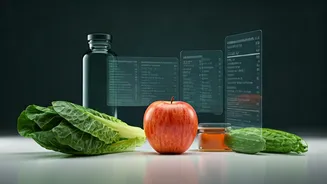
Let’s be honest: a little suspicion about our food is rational. For decades, the journey from farm to table has been an opaque, globe-spanning marathon. A simple apple can travel thousands of miles, passing through numerous hands and warehouses before
it reaches your kitchen counter. This distance creates a natural information vacuum, which has been filled with concerns over pesticides, preservatives, labor practices, and confusing labeling. Words like 'natural' have been so overused they've become almost meaningless, leaving consumers feeling a bit lost in the grocery aisle. This isn't about paranoia; it’s the logical result of a food system designed for efficiency over transparency. The desire for a 'purity check' is simply a desire to close that trust gap.
From QR Codes to Farm Stories
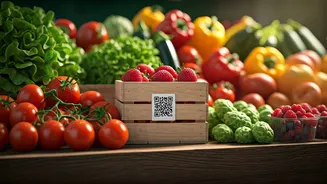
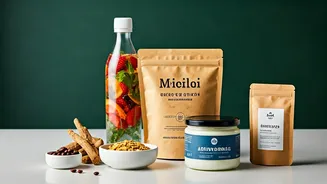
In response to this consumer demand for knowledge, a trend toward radical transparency is reshaping the industry. The most visible 'purity check' is the QR code you now see on everything from olive oil bottles to bags of lettuce. A quick scan with your phone can reveal the exact farm, the harvest date, and sometimes even a video of the farmer. Brands are realizing that their supply chain story is a powerful marketing tool. They’re investing in 'clean labels'—shorter ingredient lists with recognizable, easy-to-pronounce items. Websites and packaging are increasingly featuring detailed stories about their sourcing, turning anonymous suppliers into real people and places. This shift puts pressure on the entire industry to be more accountable, as brands that can’t tell you where their ingredients come from will start to look suspicious by comparison.
Go Straight to the Source
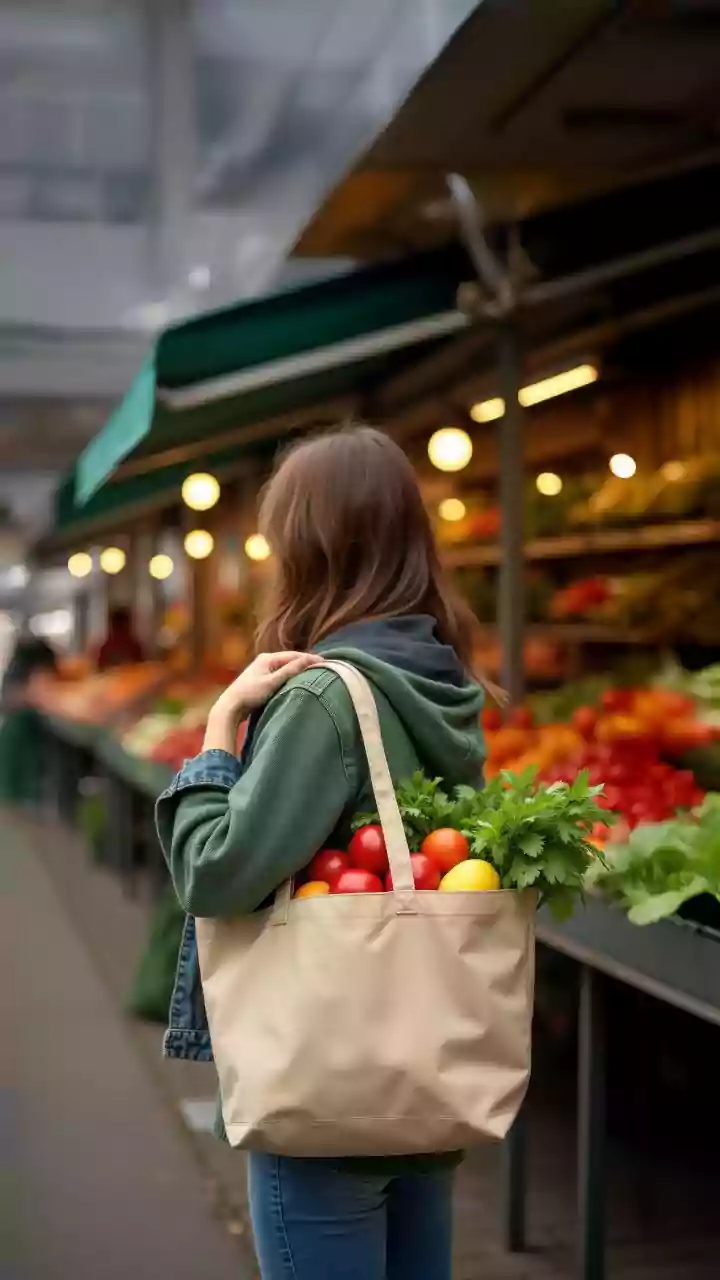
Before QR codes, there was the farmers' market—the original transparent food system. There is no more effective 'purity check' than looking the person who grew your food in the eye. This is your chance to get information you’ll never find on a supermarket label. Instead of asking a generic question like 'Is this organic?', try asking more specific, non-judgmental questions to get a real conversation going. Good options include: 'What’s your approach to pest control?', 'When was this picked?', or simply, 'What’s tasting best this week?' Farmers are often passionate about their methods, whether they're certified organic, use regenerative practices, or simply spray as little as possible. By engaging directly, you're not just buying produce; you're gaining confidence and a tangible connection to your food.
Reading Between the Lines at the Store
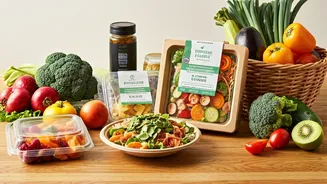
When the supermarket is your only option, you can still perform your own purity checks by becoming a savvy label-reader. Learn to distinguish between legally defined certifications and simple marketing fluff. The 'USDA Organic' seal, for example, is a legally enforced standard covering everything from soil quality to pesticide use. 'Non-GMO Project Verified' is another third-party certification with rigorous standards. On the other hand, terms like 'sustainably sourced,' 'farm fresh,' or 'all-natural' are often just marketing slogans with no legal definition or independent oversight. A good rule of thumb is to trust certifications, not adjectives. Prioritizing products with clear, verifiable labels is a powerful way to cut through the noise and support brands that are genuinely committed to transparency.
Let the Calendar Be Your Guide
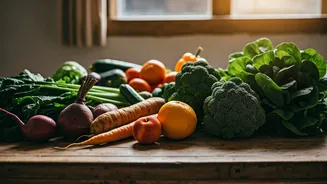
Perhaps the simplest and most powerful purity check is to align your shopping with the seasons. Eating seasonally is a vote for proximity and freshness. A perfectly ripe peach in July in most of the U.S. likely came from a regional farm. A peach in February? It has almost certainly undertaken a long, complex international journey, requiring early picking and artificial ripening. By focusing on what's currently being harvested in your region, you inherently shorten the supply chain. The food is fresher, more flavorful, and has spent less time in transit. It’s a commonsense approach that builds your intuition. When food tastes as good as it's supposed to, it’s often a sign that it didn’t have to travel far or be subjected to extensive processing to get to you.