



A Garden For The Gods
It’s called the Valley of Flowers. For ten months of the year, this high-altitude valley in India's Uttarakhand state lies dormant, buried under a thick blanket of snow. But from July through September, it undergoes a staggering transformation. As the monsoon
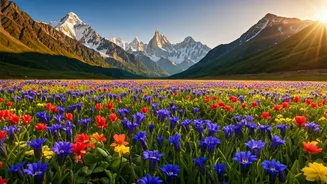
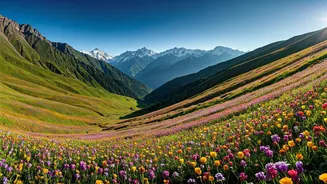
rains arrive, the valley floor erupts into a riot of color, with more than 500 species of wildflowers bursting into bloom. A designated UNESCO World Heritage Site, this alpine meadow is more than just a natural wonder; it’s a place steeped in mythology. Hindu texts say it's the place from which the monkey god Hanuman collected a life-saving herb, and for centuries, locals believed it to be the playground of fairies, cautiously avoiding its intoxicatingly fragrant air.
The Annual Awakening
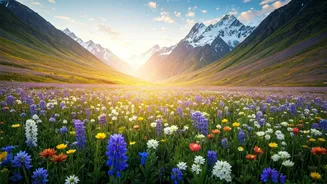
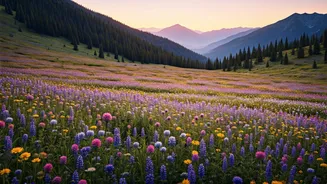
The phrase “waking up now” is a perfect description of the valley’s life cycle. The process begins in June as snowmelt and early rains saturate the soil. By early July, the first wave of green shoots and early blossoms appears, painting the valley in fresh pastels. As the monsoon intensifies through July and August, the bloom reaches its jaw-dropping peak. The entire 5-mile-long, 1-mile-wide glacial corridor becomes a living carpet of blue, pink, yellow, and white. This is not a manicured botanical garden; it is wild, untamed nature at its most prolific. The air hums with insects, and streams fed by the melting Pushpawati River crisscross the vibrant landscape. By September, the show begins to wind down as the first hints of autumn arrive, and soon, snow will reclaim the valley, putting it back to sleep for another year.
A Symphony of Petals
The sheer diversity of the flora is what makes the Valley of Flowers so unique. It’s a botanical crossroads where different ecosystems meet, creating a perfect habitat for rare and endemic species. Visitors can spot constellations of the elusive Himalayan blue poppy, the otherworldly cobra lily, and delicate primulas. You’ll find fields of geraniums, potentillas, and asters creating swaths of uniform color, punctuated by the striking forms of individual blooms. The most famous flower, the Brahmakamal, is a mythical saucer-shaped bloom that flowers at night and is offered to the gods at nearby temples. The spectacle isn't just visual; the combined fragrance of hundreds of thousands of flowers creates a heady, unforgettable perfume that hangs in the thin mountain air.
The Journey Is The Destination
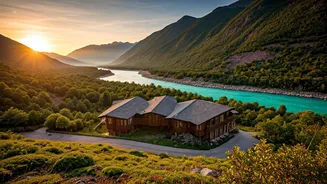
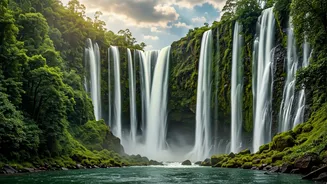
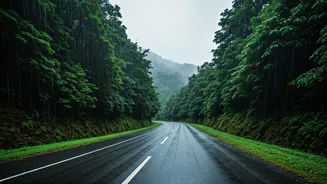
Reaching this paradise is an adventure in itself, and part of its profound appeal. The Valley of Flowers is not accessible by road. The journey begins with a drive to the village of Govindghat, from which visitors must embark on a multi-day trek. The main trail, a roughly 8-mile path, leads to the small village of Ghangaria, which serves as the base camp for explorations into the valley. The trek itself is moderately challenging, winding through lush forests, past waterfalls, and alongside the roaring Alaknanda River. This pilgrimage-like journey ensures that the valley is never truly crowded. It filters out casual tourists, leaving a sanctuary for dedicated trekkers, nature lovers, and those seeking a moment of genuine awe, who understand that the effort is an integral part of the reward.
Planning Your Pilgrimage
If you're inspired to see this spectacle, timing and preparation are everything. The window is tight: mid-July to mid-August offers the peak bloom. You'll need to obtain a permit from the Forest Department at the entrance to the park in Ghangaria. While it's possible to do the trek independently, hiring a local guide is highly recommended; they can point out rare flowers and navigate the sometimes-tricky weather. Pack for all conditions: waterproof layers are essential due to the monsoon, but so are sun protection and layers for cool evenings. Most importantly, respect the fragile ecosystem. The mantra is to take only pictures and leave only footprints, ensuring this divine garden continues to wake up for generations to come.