



The Probiotic 'Quick Fix' Myth
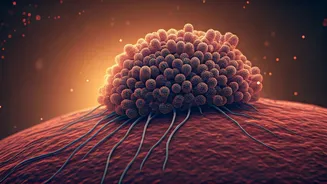
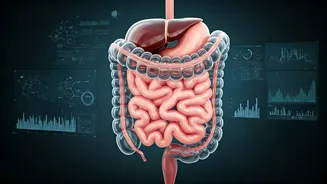
Let’s start with that bottle of kombucha. Products rich in live cultures, known as probiotics, can introduce beneficial bacteria into your gut. Think of them as reinforcements arriving on the battlefield. They can be helpful, especially after a round
of antibiotics or a period of poor eating. Fermented foods like yogurt, kimchi, sauerkraut, and kefir are excellent sources of these microorganisms and have been part of human diets for centuries for good reason. However, thinking they alone can solve your gut woes is like sending one star player onto a football field with no teammates, no stadium, and no food. The probiotics you consume may not stick around for long if the environment isn't hospitable. They are transient visitors. For a healthy gut, you need to not only introduce good bacteria but also create a welcoming home where they can thrive and multiply. That’s where the rest of your diet comes in.
Feed Your Flora with Fiber
If probiotics are the players, then prebiotics are their fuel. Prebiotics are types of dietary fiber that your body can't digest. Instead, they travel to your lower digestive tract, where they become food for the healthy bacteria living there. This is arguably the most important—and most overlooked—aspect of gut health.
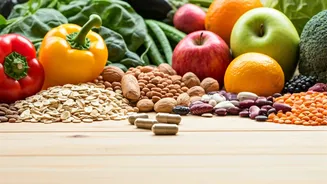
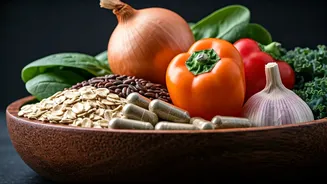
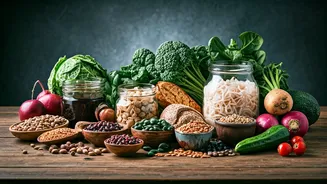
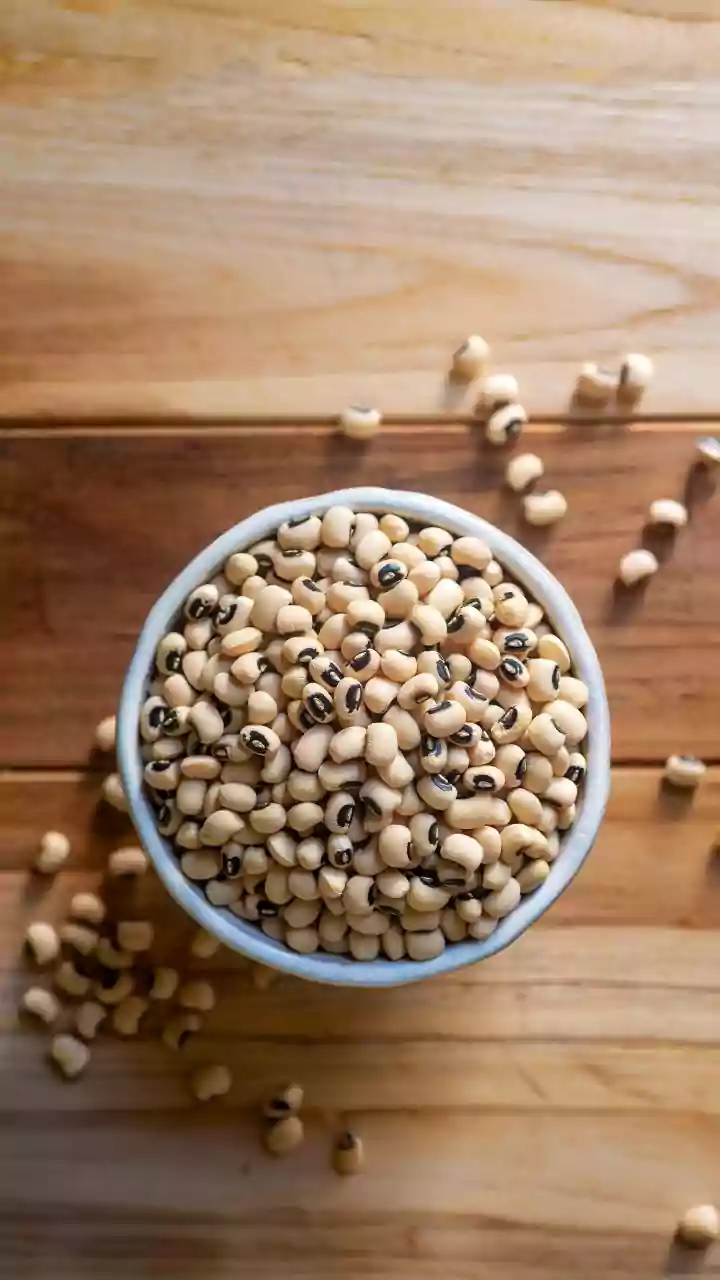
When your gut microbes feast on this fiber, they produce beneficial compounds called short-chain fatty acids (SCFAs), like butyrate. These compounds are rock stars: they nourish the cells lining your colon, strengthen your gut barrier, reduce inflammation, and may even influence your mood and immune system. So, where do you find them? Not in a bottle. You find them in high-fiber plant foods: onions, garlic, leeks, asparagus, bananas (especially slightly green ones), oats, barley, and legumes like beans and lentils. Prioritizing these foods is like setting up a gourmet buffet for your best microbial friends.
Diversity Is Your Superpower
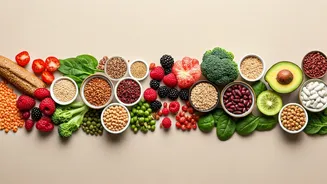
A healthy gut isn't just about having *good* bacteria; it's about having a wide *variety* of them. A diverse microbiome is a resilient one, better equipped to handle stress, fight off pathogens, and perform its many functions. A monotonous diet, even a 'healthy' one, leads to a monotonous microbiome.
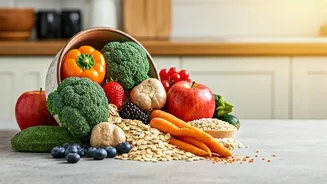
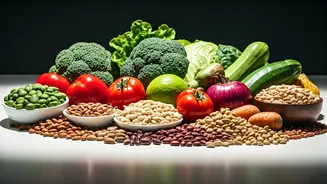
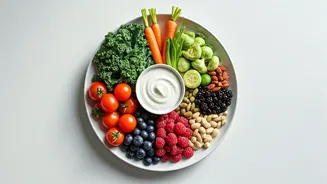
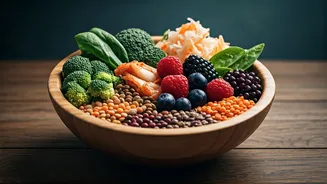
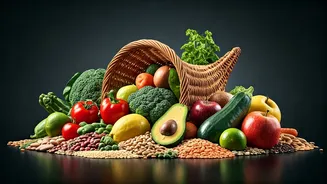
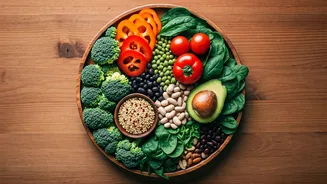
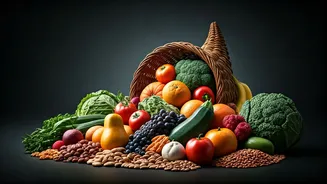
How do you build diversity? By eating a diverse range of plants. Different microbes prefer different types of plant fiber, so the more varied your diet, the more varied your gut community will be. Many experts recommend aiming for 30 different plant foods per week. This sounds daunting, but it’s easier than you think. A handful of mixed nuts and seeds on your morning oatmeal counts as several. A salad with different lettuces, tomatoes, cucumbers, and bell peppers adds more. A sprinkle of fresh herbs counts. Every color and type of fruit, vegetable, whole grain, nut, seed, and legume you add to your plate contributes to a more robust and powerful gut ecosystem.
Look Beyond the Plate
Finally, a truly holistic approach to gut health recognizes that it isn't just about food. Your gut is intricately connected to your brain and the rest of your body, often called the 'gut-brain axis.' Chronic stress, for example, can wreak havoc on your microbiome. The flood of stress hormones can alter gut motility and make your gut lining more permeable (the 'leaky gut' phenomenon).
Consistently poor sleep can also negatively impact the diversity of your gut bacteria. On the flip side, regular moderate exercise has been shown to promote a healthier microbial balance. This doesn’t mean you need to run marathons; even a brisk walk can be beneficial. It all reinforces the same idea: gut health isn’t a quick fix you can buy. It's a reflection of your overall diet and lifestyle.