




Start with Wireless Emergency Alerts (WEA)
The most critical alerts are the ones you don’t have to sign up for. Wireless Emergency Alerts (WEA) are a national system managed by FEMA that sends geographically targeted messages to your phone for imminent threats. These aren’t your average texts;
they have a unique sound and vibration, and they override silent mode. They’re reserved for three situations: Amber Alerts for missing children, Presidential Alerts during a national crisis, and—most relevant for your trip—Imminent Threat Alerts for severe weather. These cover life-threatening conditions like tornado warnings, flash flood warnings, and hurricane evacuation orders. Most modern smartphones have these enabled by default. To double-check, go to your phone’s notification settings and look for a section called “Emergency Alerts” or “Government Alerts.” Make sure they’re all toggled on. Because they are cell-tower-based, you’ll automatically receive alerts for the area you’re in, making them essential for travelers.
Get Granular with a Weather App
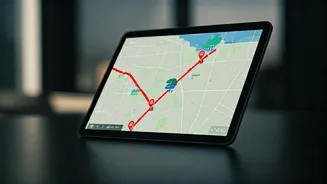
While WEA covers the big, scary stuff, it won’t tell you about a persistent downpour or a thunderstorm that could ruin your afternoon hike. For that, you need a dedicated weather app. The official National Weather Service (NWS) is the gold standard for U.S. weather data, and most popular apps pull from their forecasts. Apps like The Weather Channel, AccuWeather, or Carrot Weather allow you to set up push notifications for specific conditions. Before your trip, set your vacation spot as a saved location. Then, customize your alerts. You can choose to be notified about precipitation starting in the next hour, lightning strikes within a certain radius, or high wind warnings. This layer of information is less about immediate danger and more about smart planning. It’s the difference between getting caught in a deluge on a trail and deciding to visit that cozy-looking museum instead.
Tap into Hyper-Local County Alerts
For the most specific information, especially in areas prone to unique hazards like flash floods or wildfires, you need to go hyper-local. Nearly every U.S. county has an office of emergency management that runs its own public alert system. These are opt-in services, usually delivered via text message or email. A quick search for “[County Name] emergency alerts” will lead you to a sign-up page. Why bother? These systems provide crucial, non-weather information that a national app might miss. Think road closures due to mudslides, boil water advisories after a storm, or localized evacuation orders for a specific canyon or coastal area. If you’re visiting a national park, check the park’s official website or stop by the visitor center. They often have their own alert systems or, at the very least, a daily updated bulletin board with critical safety information.
Consider a Low-Tech Backup
Your smartphone is powerful, but what if you’re camping in a remote valley with no cell service? Or what if a major storm knocks out local power and cell towers? This is where a NOAA Weather Radio comes in. These dedicated receivers are designed to pick up 24/7 broadcasts directly from the National Weather Service. They are the most reliable way to receive watches and warnings, independent of internet or cellular infrastructure. Many models are portable, battery-powered, and feature a Specific Area Message Encoding (S.A.M.E.) function, which allows you to program in a code for your specific county so you only receive alerts relevant to you. It might feel like an old-school gadget, but for anyone venturing off the beaten path, it’s an indispensable piece of safety equipment that ensures you’re never truly out of the loop.