

1. The Mighty Lentil (Dal)
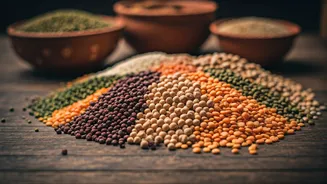
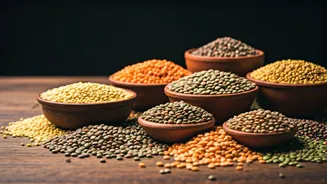
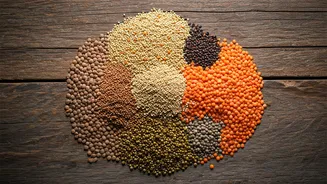
In the U.S., we often see lentils as a niche health food, but across India, they are the foundation of dal, a daily staple for millions. This isn't just a cultural habit; it's an agricultural masterstroke. Lentils, along with other pulses like beans and
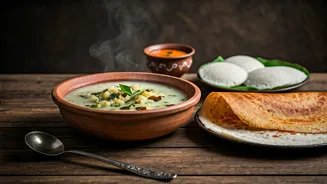
peas, are nitrogen-fixing plants. This means they pull nitrogen from the air and convert it into a natural fertilizer in the soil. While modern agriculture dumps tons of synthetic nitrogen fertilizers onto fields—a process that consumes massive amounts of fossil fuels and creates potent greenhouse gases—lentils do the job for free. They leave the soil richer than they found it, reducing the need for chemical inputs for the next crop. Furthermore, producing a pound of lentils requires a fraction of the water needed for a pound of beef, making them a profoundly efficient source of protein in a water-scarce world. From the hearty dal makhani to a simple tadka dal, this humble legume is a sustainability powerhouse.
2. Climate-Smart Millets
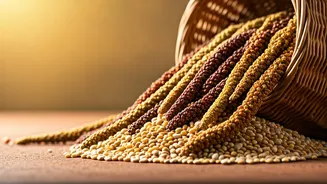
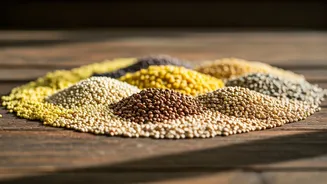
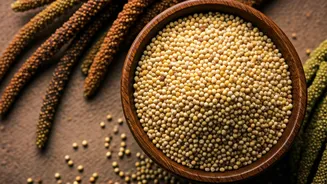
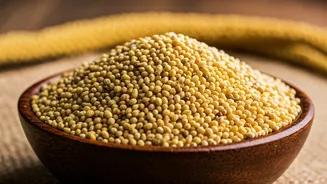
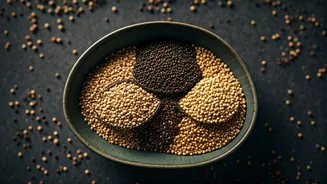
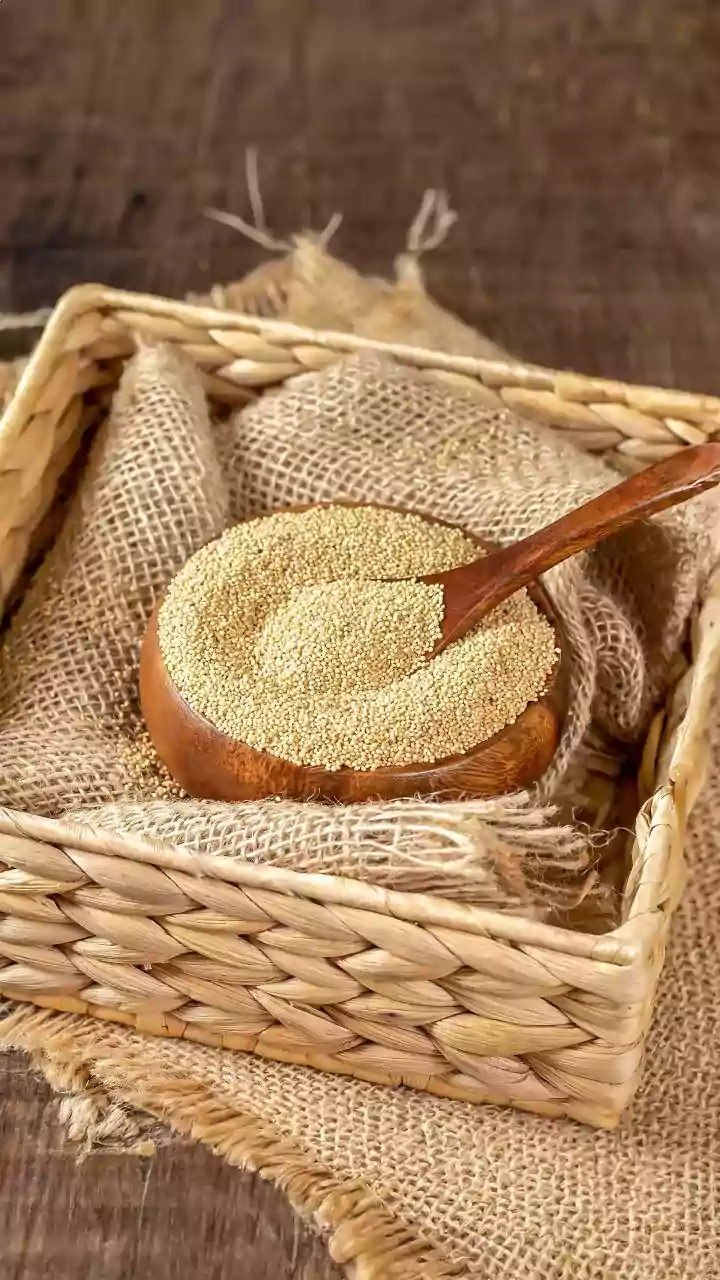
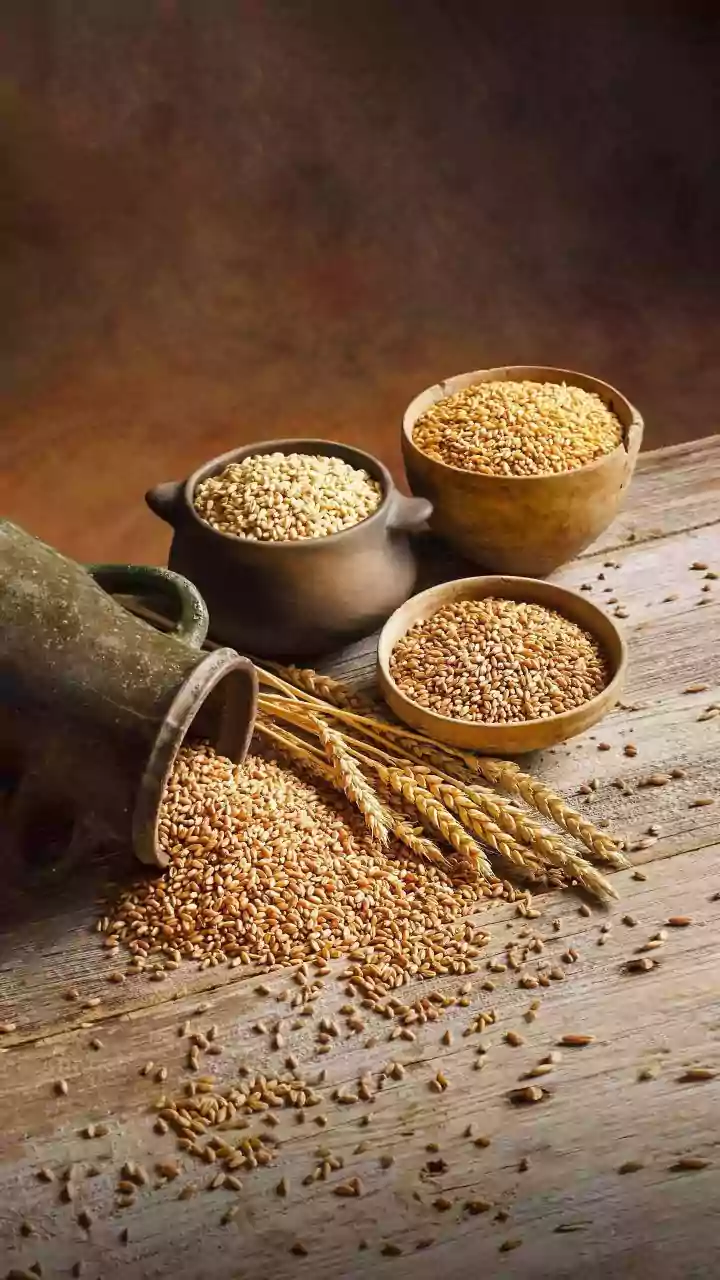
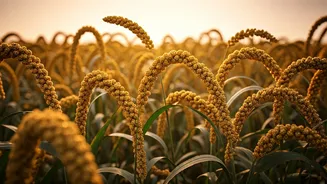
Move over, quinoa. Millets are the ancient super-grains poised for a global comeback, and for good reason. These small-seeded grasses, including varieties like pearl millet (bajra) and finger millet (ragi), are incredibly resilient. They are what agricultural experts call “climate-smart” crops. Millets thrive in hot, dry conditions and poor, unfertilized soil where crops like wheat and rice would fail. They have deep root systems that are excellent at sourcing water, making them naturally drought-tolerant. In a world facing unpredictable weather patterns and dwindling water resources, relying on such a hardy grain is a profoundly logical choice. The United Nations even designated 2023 as the International Year of Millets to promote their benefits for food security and nutrition. Used for centuries in India to make flatbreads (roti), porridges, and even savory pancakes, millets offer a gluten-free, nutrient-dense alternative to more resource-intensive grains.
3. The Versatile Chickpea (Chana)
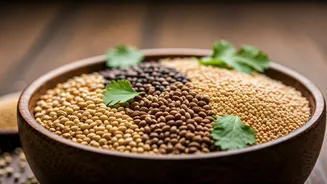
Known to most Americans as the key ingredient in hummus, the chickpea (or 'chana' in Hindi) is another cornerstone of Indian cuisine and sustainable agriculture. Like lentils, chickpeas are legumes that enrich the soil by fixing nitrogen, reducing the need for chemical fertilizers. Their versatility is legendary, appearing in everything from the iconic street food chana masala to being ground into gram flour (besan) for batters and flatbreads. As a protein source, chickpeas are a game-changer. They offer a satisfying, plant-based alternative that carries a much smaller carbon footprint than animal protein. Growing chickpeas helps break disease cycles in crop rotations and improves soil structure, making the entire farm system more resilient. It’s a food that not only nourishes people but actively heals the land it grows on.
4. Low-Impact, High-Flavor Spices
While not staples in a caloric sense, spices like turmeric, cumin, and coriander are essential to Indian cooking and represent a philosophy of low-impact, high-reward flavor. Instead of relying on processed sauces or high-fat additions, Indian cuisine builds complex, vibrant tastes from dried and ground botanicals. Turmeric, for example, is the rhizome of a plant that is relatively easy to grow and requires minimal processing. These spices are potent; a small amount provides immense flavor, meaning the agricultural footprint per dish is tiny. This approach—creating satisfaction through aromatic complexity rather than sheer volume of resource-intensive ingredients—is a subtle but powerful lesson in sustainable gastronomy. It’s about getting more from less, a principle our food system desperately needs.