






1. Breathe Easier with Non-Toxic Materials
That “new paint” or “new furniture” smell is often the scent of Volatile Organic Compounds (VOCs) off-gassing into your home. These chemicals, found in everything from paints and carpets to pressed-wood furniture, can cause headaches, dizziness, and respiratory
irritation in humans. For pets, the risk is amplified. Their smaller bodies, faster respiratory rates, and tendency to spend more time near the floor mean they get a more concentrated dose of these airborne pollutants. A simple switch to low-VOC or zero-VOC paints can dramatically improve indoor air quality for everyone. When buying new furniture, look for solid wood pieces or those certified by programs like Greenguard, which test for low chemical emissions. This one change reduces long-term chemical exposure for you and protects your pet's delicate respiratory system.
2. Clean Green for Safer Paws and Noses
Many conventional household cleaners rely on harsh chemicals like ammonia, bleach, and phthalates. While they might make surfaces sparkle, their residue can be toxic. Pets walk across freshly mopped floors, lick their paws, and groom themselves, directly ingesting these chemicals. Their powerful noses are also highly sensitive to the strong fumes, which can cause irritation or even distress. Making the switch to green cleaning is one of the easiest and most impactful changes. You can create effective, all-purpose cleaners using simple ingredients like white vinegar, water, and baking soda. If you prefer to buy products, look for plant-based, biodegradable cleaners that are explicitly marked as pet-safe. Your home will be just as clean, but without the invisible layer of chemicals that puts your furry friend at risk.
3. Bring the Outdoors In (Safely)
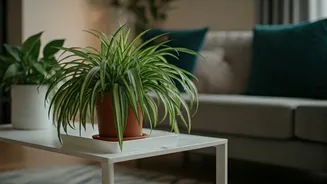
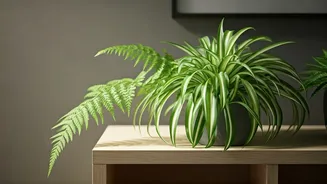
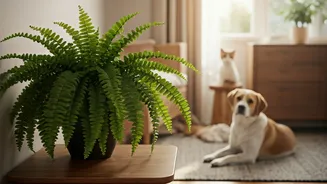
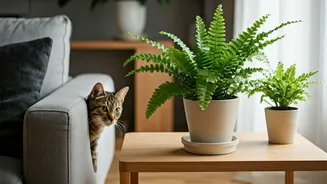
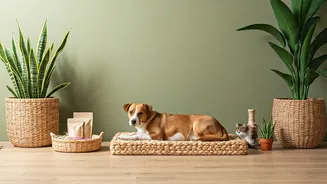
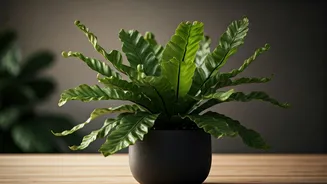
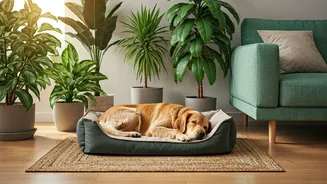
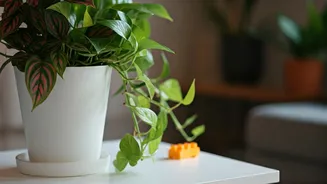
Biophilic design—the practice of connecting people with nature within their built environment—is more than a trend; it's a wellness strategy. Studies show that natural light, views of nature, and indoor plants can reduce stress, improve mood, and boost cognitive function. These benefits extend to our pets, who are instinctively calmed by natural elements. Maximizing natural light by keeping curtains open can help regulate circadian rhythms for both you and your dog or cat. And while houseplants are fantastic natural air purifiers, it's crucial to choose pet-safe varieties. The ASPCA maintains an extensive list of plants that are toxic and non-toxic to dogs and cats. Opt for pet-friendly options like spider plants, prayer plants, and certain ferns to get the air-purifying, stress-reducing benefits without endangering your curious companion.
4. Choose Flooring That's Good for the Planet and Your Pal
Wall-to-wall carpeting can feel cozy, but synthetic carpets are often treated with stain-resistant chemicals and can be a magnet for dust mites, pet dander, and allergens that are difficult to fully remove. They also trap moisture, which can lead to mold growth. A greener, pet-friendlier approach involves hard-surface flooring made from sustainable materials. Cork, bamboo, and reclaimed hardwood are excellent choices. They are durable, easy to clean, and don’t harbor allergens the way carpets do. If you love the softness of a rug, opt for a smaller, washable area rug made from natural fibers like wool, jute, or organic cotton. This allows you to easily clean up pet messes and control allergens, creating a healthier floor-level environment where your pet spends much of its time.
5. Filter Your Air and Water
Even in a clean home, airborne particles like pet dander, pollen, and dust can circulate freely. A high-quality air purifier with a HEPA filter can be a game-changer, capturing these irritants and creating a healthier breathing environment for allergy sufferers and pets alike. Don't forget about water. Tap water can contain chlorine, heavy metals, and other contaminants. Since pets drink water, too, installing a simple faucet filter or using a filtered water pitcher ensures that everyone in the household is drinking cleaner, safer water. These aren't just gadgets; they're essential tools for reducing the cumulative toxic load on every member of your family, human and animal.