


From Intimidation to Invitation
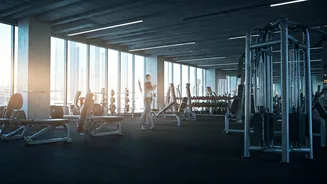
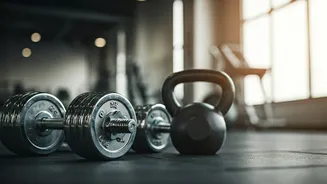
Remember the old image of the weight room? A dimly lit corner of the gym, dominated by hulking men in stringer vests, grunting and dropping impossibly heavy dumbbells. It was a space that felt exclusive by design, governed by unwritten rules and an unspoken
challenge: ‘Do you even lift, bro?’ For many—especially women, older adults, or anyone not aspiring to be a professional bodybuilder—the answer was a hard pass. The free weights section was less a part of the gym and more a private, intimidating club. That perception is finally, and rapidly, changing. The clanking of iron is no longer a deterrent but an invitation. Today’s strength training landscape is populated by a diverse cast of characters: grandmothers working on their deadlifts, young professionals building confidence, and people of all shapes and sizes discovering the joy of getting stronger. This isn’t an accident; it’s the result of a cultural, scientific, and social media-driven revolution that has reframed lifting weights from a niche pursuit of vanity to a mainstream pillar of health and longevity.
The Science of Strength for Everyone
A huge part of this shift comes from a mountain of evidence that has reshaped our understanding of what strength training is for. For years, the primary goal was assumed to be aesthetic: bigger muscles. Now, we know that’s just the tip of the iceberg. Health organizations, including the CDC, recommend regular muscle-strengthening activities for all adults, not for looks, but for life. The benefits are profound and universal. Resistance training is one of the most effective ways to build and maintain bone density, a critical defense against osteoporosis, particularly for post-menopausal women. It revs up your metabolism by building muscle, which burns more calories at rest than fat, aiding in long-term weight management. More importantly, studies have linked regular strength work to improved insulin sensitivity, reduced risk of chronic diseases like type 2 diabetes and heart disease, and even enhanced cognitive function and mental health. The message from the scientific community is clear: getting stronger isn’t about ego; it’s one of the best investments you can make in your long-term health.
Social Media and the New 'Fitspo'
While science provided the ‘why,’ social media provided the ‘how’—and the ‘who.’ Platforms like Instagram and TikTok have been instrumental in democratizing strength training. A new generation of fitness influencers has replaced the hyper-masculine, impossibly chiseled figures of old. These creators come in all shapes, sizes, ages, and genders. They post videos of themselves lifting imperfectly, celebrating personal records (PRs) that aren't world records, and speaking openly about their journey. They’ve transformed ‘fitspo’ (fitness inspiration) from a gallery of unattainable physiques into a library of practical tutorials and relatable stories. Women, in particular, have carved out a massive space in the online strength world, dismantling the myth that lifting heavy makes you ‘bulky.’ Instead, they champion the feeling of empowerment, confidence, and physical capability that comes from mastering a heavy lift. This visibility has shown millions that the weight room isn't just for one type of person—it's for anyone who wants to feel strong.
The Rise of Boutique Strength Studios
The fitness industry has taken note. While traditional big-box gyms are making their weight areas more accessible, the real innovation has come from the boutique studio boom. Chains like Orangetheory Fitness, Barry's, and F45 have built entire business models around group-based, coach-led strength and conditioning. These studios solve the biggest problems for newcomers: they eliminate the guesswork with pre-programmed workouts and provide hands-on coaching to ensure proper form and safety. The class-based structure also fosters a powerful sense of community and accountability. You’re no longer a lone individual wandering nervously around the squat rack; you’re part of a team, cheering each other on. This guided, community-first approach has provided the perfect on-ramp for people who were curious about weights but too intimidated to start on their own, proving that a welcoming environment was the missing ingredient all along.