




First, What Is 'Soft Travel'?
The travel industry loves a good buzzword, but 'soft travel' or 'soft adventure' actually describes a meaningful shift in how people want to spend their time off. Forget scaling Mount Everest or trekking through dense, uncharted jungle—that’s 'hard adventure.'
Soft travel is its accessible, lower-risk cousin. It prioritizes immersive cultural experiences and light physical activity over adrenaline-pumping, high-stakes exploits. Think less about survival skills and more about soulful engagement. It could be a culinary tour through Italy, a yoga retreat in Costa Rica, or, increasingly, a trip built entirely around a dance event. It’s about participating in the culture, not just observing it from behind a tour bus window. The goal isn’t to conquer a landscape but to connect with a place, its people, and yourself in a more profound, less stressful way.
The Rise of the Dance Destination
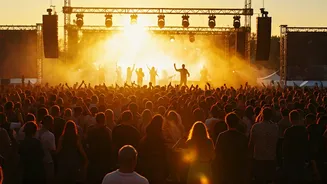
For decades, dance has been an element of travel—catching a flamenco show in Seville or taking a one-off tango lesson in Buenos Aires. The new trend is different. Here, dance isn’t the side dish; it’s the entire meal. Travelers are booking flights and hotels specifically to attend multi-day salsa congresses, bachata festivals, swing dance camps, and tango marathons. These events, held in cities from Miami and New York to Lisbon and Seoul, offer a powerful package deal: world-class instruction during the day and massive social dance parties at night. For enthusiasts, it’s a chance to learn from their idols and be surrounded by thousands of people who share their passion. For travelers, it offers a ready-made itinerary and a built-in community, solving the age-old problem of 'what do I do at night?' or 'how do I meet people?'
It’s About Connection, Not Choreography
The appeal goes far beyond perfecting a spin or nailing complex footwork. At its core, this trend is about connection. In a world that often feels digitally saturated and socially disconnected, partner and group dancing offers a tangible, screen-free way to interact with others. It’s a universal language. You can arrive in a foreign country not knowing a soul or speaking a word of the local language, step onto a dance floor, and instantly communicate and connect with someone. This built-in social infrastructure is a huge draw, especially for solo travelers who might otherwise find it lonely or intimidating to navigate a new city. These festivals cultivate a temporary, but intense, sense of community. Friendships are forged in workshops and late-night dances, creating a global network of familiar faces that pop up at the next event in a different country.
Why Now? The Post-Pandemic Push for Joy
This isn't just a random fad; it's a direct response to our times. The isolation of the pandemic left many craving physical presence, shared experiences, and unadulterated joy. Dance delivers all three. It’s an embodied activity that pulls you out of your head and into the moment. Furthermore, social media platforms like TikTok and Instagram have demystified dance, making it seem more accessible and aspirational than ever. A viral bachata video can plant a seed of curiosity that a festival directory can turn into a full-blown vacation plan. Travelers are increasingly seeking 'transformational' experiences that offer more than just a pretty picture. Learning a skill, moving your body, and joining a vibrant community feels far more enriching to many than simply checking another landmark off a list. It’s a vacation that sends you home with more than just a tan—it sends you home with a rhythm.