





1. Treat Your Scalp Like Your Face
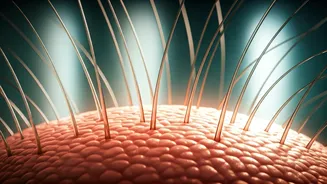
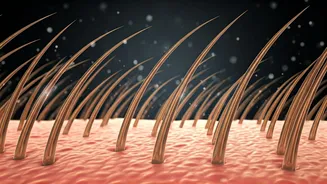
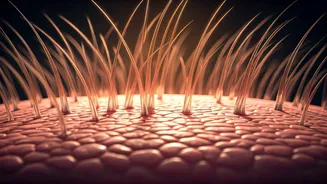
The single biggest shift in hair care is realizing your hair grows from your skin. The 'skinification' of hair is here to stay, and by 2026, treating your scalp with the same care as your face will be standard practice. Think of it this way: you wouldn't
expect healthy plants to grow in poor soil. Your scalp is the 'soil' for your hair follicles. This means moving beyond just shampoo and conditioner. Scalp serums with ingredients like hyaluronic acid for hydration, salicylic acid for exfoliation and to manage oil, and antioxidants to fight environmental damage will become staples in our routines. A healthy, balanced scalp microbiome free of inflammation and buildup is the true foundation for strong, vibrant hair.
2. Master the Art of Cleansing
The debate over how often to wash your hair is finally settling, and the answer is: it depends, but you're probably not cleansing effectively. Dermatologists are less concerned with frequency and more concerned with function. The primary job of shampoo is to clean your scalp, not your hair strands. Oil, dead skin cells, and product residue accumulate on the scalp, which can clog follicles and inhibit growth. The 2026 approach is to massage a gentle, sulfate-free cleanser directly onto the scalp for at least a minute to break down buildup. Let the suds run down to cleanse the lengths of your hair. For those with oily scalps or who use a lot of styling products, a 'double cleanse'—just like with skincare—might become your new norm.
3. Get Smart About Ingredients
Consumers are becoming more educated, and brands are responding. By 2026, a basic understanding of a product's ingredient list will be crucial. Dermatologists advise focusing on proven actives rather than marketing claims. For hair loss and thinning, minoxidil (the active ingredient in Rogaine) remains a top-tier, over-the-counter recommendation for both men and women. For promoting a healthy scalp environment, look for anti-inflammatory ingredients like niacinamide. When it comes to conditioning, don't fear silicones entirely; they are effective at protecting the hair shaft from friction and heat, but choose water-soluble ones if you're prone to buildup. The goal isn't to demonize ingredients but to understand what they do and choose them based on your hair's specific needs.
4. Feed Your Hair From Within
You can't build a strong house with bad materials. Topicals are crucial, but dermatologists emphasize that nutrition is the ultimate driver of hair health. Your hair follicles are made of some of the fastest-dividing cells in your body, and they require a steady supply of nutrients. Deficiencies in iron, vitamin D, zinc, and biotin are common culprits behind shedding and brittle hair. While a balanced diet rich in protein, healthy fats, and vitamins is the first line of defense, blood tests can reveal specific deficiencies that may require supplementation. The future of hair care involves a holistic approach where your diet is considered just as important as the products you put on your scalp.
5. Act on Thinning Hair Immediately
Waiting is the biggest mistake people make with hair thinning. Dermatologists stress that the earlier you intervene, the more hair you can save and potentially regrow. By 2026, the stigma around discussing hair loss will have further eroded, and seeking professional help will be seen as a proactive wellness step. The key is to see a board-certified dermatologist at the first sign of increased shedding or a widening part. They can properly diagnose the cause—whether it's genetic, stress-related, hormonal, or nutritional—and recommend a plan. This may include prescription medications like finasteride, in-office treatments like platelet-rich plasma (PRP), or simply a targeted topical and supplement regimen. Don't wait until it's a crisis; early action is the best-kept secret to managing hair health long-term.