




The Shifting Power of a Passport
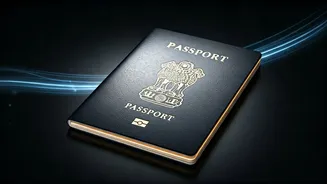
For decades, the Indian passport was associated with long lines at embassies and cumbersome visa applications. That reality is rapidly changing. In the latest Henley Passport Index, which ranks global travel documents based on the number of destinations
their holders can access without a prior visa, India has made a notable climb. This isn't just a statistical tick upwards; it translates into tangible freedom. Countries like Thailand, Sri Lanka, Malaysia, Kenya, and even Iran have recently announced visa-free entry or streamlined visa-on-arrival policies specifically for Indian nationals. This move opens up popular tourist and business hubs, removing a significant barrier to international travel for a huge population. Previously, a trip to Southeast Asia, for example, required weeks of planning and paperwork. Now, for many destinations, it requires little more than a plane ticket and a valid passport, putting spontaneous travel within reach for the first time.
Following the Money: The Economic Engine
So, why the sudden hospitality? The primary driver is economics. India is the world's most populous nation, with a rapidly expanding middle class that has a growing appetite for international travel. Before the pandemic, Indian tourists spent over $23 billion overseas, a figure that is projected to soar past $42 billion by the end of this year. Countries that once focused primarily on courting tourists from China, Europe, or North America are now waking up to the enormous potential of the Indian market. For tourism-dependent economies like Thailand and Sri Lanka, which are still recovering from the global travel downturn, attracting a fraction of India’s outbound travellers can provide a massive economic boost. By dropping visa requirements, these nations are not just being welcoming; they are making a calculated business decision to roll out the red carpet for a demographic that is ready and willing to spend on flights, hotels, and experiences. It’s a global competition for the Indian tourist dollar, and visa-free access is the most powerful tool in the arsenal.
The Diplomatic Dividend
This upgrade isn't happening in a vacuum. It's also the result of a concerted diplomatic effort by the Indian government. As India’s economic and geopolitical stature grows, it has begun to leverage its position to demand greater ease of travel for its citizens. A stronger passport is a clear indicator of a country's soft power and its standing in the international community. Prime Minister Narendra Modi's government has made improving passport power a stated goal, viewing it as a matter of national prestige and a crucial service for its vast diaspora and burgeoning business class. Bilateral negotiations increasingly include discussions on simplifying mobility. When a country like France introduces a five-year Schengen visa for Indian students or a nation like Kenya waives visa requirements entirely, it is often the culmination of diplomatic groundwork. These agreements are reciprocal gestures of goodwill that strengthen political and economic ties, signaling a deeper partnership that goes far beyond tourism.
More Than Just a Vacation
The impact of this newfound access extends far beyond leisure travel. It streamlines processes for business professionals seeking to attend conferences or close deals, for students pursuing education abroad, and for families looking to reconnect across continents. For many Indians, the visa-free stamp is a symbol of dignity. It removes the implicit suspicion and bureaucratic hurdles that often made them feel like second-class global citizens. This psychological shift is profound. As more countries open their doors, it fosters a greater sense of global integration and opportunity for Indian nationals. The world feels smaller and more accessible, encouraging a level of cultural exchange, academic collaboration, and economic activity that was previously hampered by red tape. This upgrade is not just about making it easier to see the world; it’s about enabling a nation of 1.4 billion people to participate more fully in it.