
First, A Thali Primer
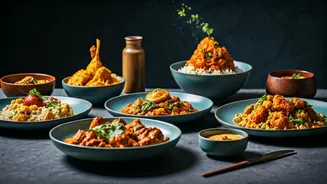
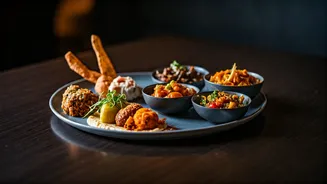
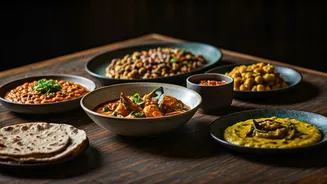
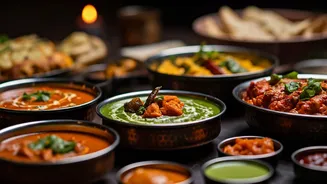
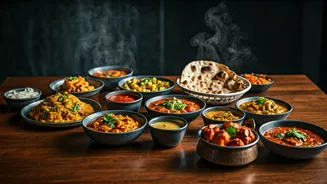
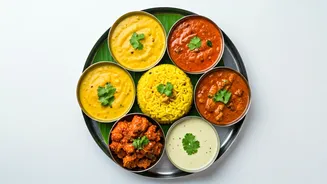
For the uninitiated, a thali (which simply means “plate” in Hindi) is a foundational concept in Indian dining. It’s a round platter presenting a complete, balanced meal in a series of small bowls called katoris. A traditional thali is a masterclass in culinary
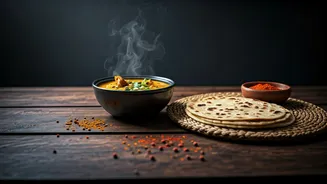
harmony, designed to hit all six tastes recognized in Ayurveda: sweet, sour, salty, bitter, pungent, and astringent. You’ll typically find a flatbread like roti or naan, a serving of rice, dal (lentils), a couple of vegetable or meat curries, yogurt (raita), a pickle, and a small dessert. It’s not just a meal; it’s a self-contained universe of textures and flavors, a testament to regional diversity and wholesome eating.
Enter the Global Remix
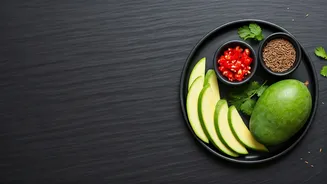
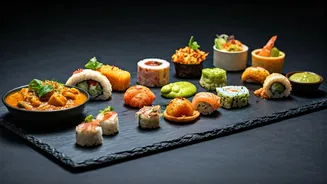
So what happens when this time-honored format gets a 21st-century makeover? You get the fusion thali. Chefs across the U.S. and beyond are using the thali’s compartmentalized structure as a canvas for culinary creativity. They’re breaking the rules, joyfully borrowing ingredients and techniques from other cuisines and weaving them into the Indian flavor palette. The result is a dining experience that feels both familiar and thrillingly new. This isn’t about replacing tradition but expanding its vocabulary. Imagine a dollop of guacamole next to a spicy chickpea curry, a mini taco filled with tandoori chicken, or a risotto-style khichdi infused with Parmesan and black truffle. The platter remains, but the possibilities become infinite.
Your Plate as a Curated Grid
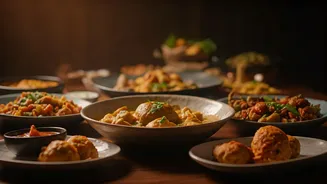
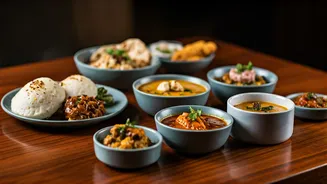
This is where the “food mood board” concept clicks into place. A mood board is a curated collection of images, textures, and ideas that tells a story or evokes a specific feeling. The fusion thali does the exact same thing, but with taste. Each katori is like a pin on a Pinterest board. One bowl might scream “comfort” with a creamy, slow-cooked dal makhani. The one next to it might shout “zesty” with a Peruvian-inspired mango ceviche. Another could whisper “umami” with a mushroom dish using Japanese dashi. The chef acts as a curator, arranging these disparate elements not just for balance, but for narrative effect. The diner, in turn, gets to experience this story, mixing and matching bites, creating their own flavor pathways. It’s an interactive, personalized journey that reflects our modern love for customization and curated aesthetics.
An Instagram-Ready Feast
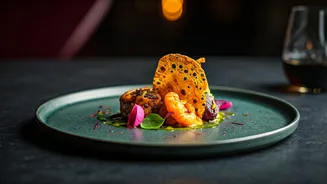
Let’s be honest: we eat with our eyes first. The traditional thali has always been beautiful, a colorful mandala of food. But the fusion thali takes this visual appeal to another level, perfectly aligning with our Instagram-driven culture. The artful arrangement of jewel-toned bowls, the deliberate garnishes, and the unexpected combination of ingredients make it irresistibly photogenic. It’s a dish that practically begs to be shared online. That visual component is a huge part of its mood board identity. It’s not just about how the food tastes, but how it looks and what it communicates. Each thali becomes a unique piece of edible art, reflecting the chef's personality and the restaurant's brand, all neatly packaged in a single, shareable frame.
More Than Just a Trend
The rise of the fusion thali is more than a fleeting food trend; it’s a reflection of a broader cultural shift. It speaks to a generation of chefs and diners who grew up in a globalized world, comfortable with multiple identities. These thalis celebrate the idea that culinary traditions aren’t rigid, sacred texts but living languages that can evolve, borrow, and create new forms of expression. They reject the tired, often fraught debate over “authenticity” and instead propose something more exciting: possibility. By using the thali format, chefs pay homage to their heritage while confidently stepping into a global conversation, proving that the most delicious meals are often those that refuse to be put in a single box—even when they’re served in a dozen little bowls.