



Coverage for Curious Nibblers
Let’s start with the most important clause in this 'insurance policy': safety. The single biggest fear for any pet owner bringing a plant home is toxicity. A quick search reveals a horror-show list of common houseplants—lilies, tulips, sago palms—that
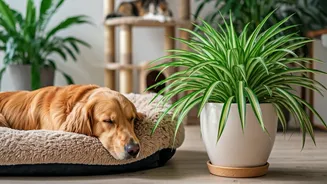
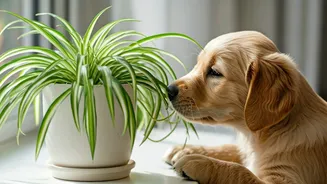
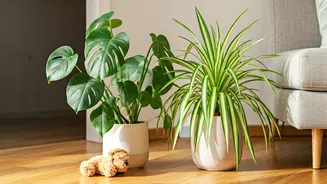
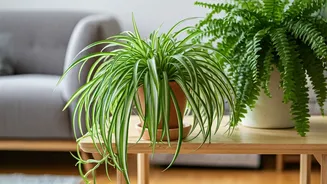
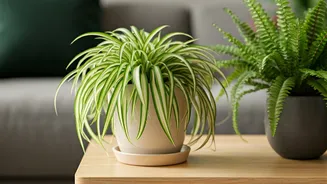
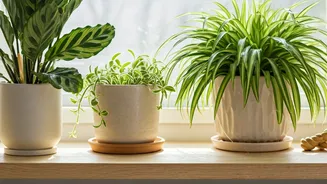
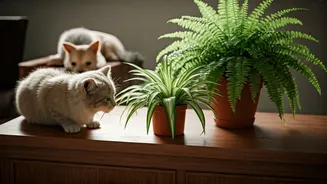
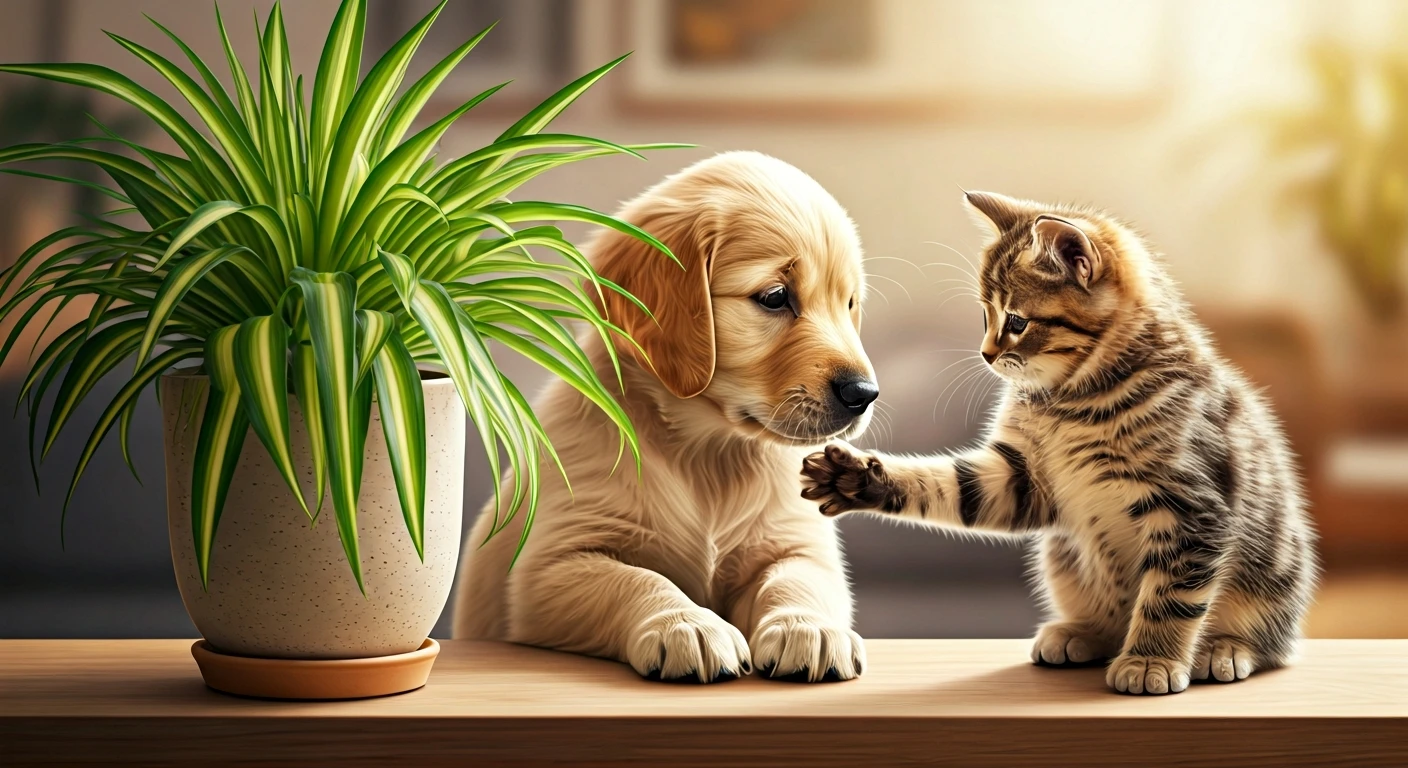
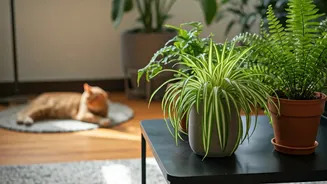
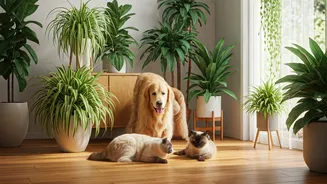
are dangerously toxic to cats and dogs. The spider plant (Chlorophytum comosum), however, is not on that list. According to the ASPCA, it’s officially non-toxic to both cats and dogs. While you probably don’t want your furry friend making a full meal of it (ingesting any plant matter can cause mild stomach upset), a curious chew or a playful swat-and-bite won't result in a frantic, high-stakes trip to the emergency vet. This non-toxic status is the bedrock of its value, offering a level of security that few other popular houseplants can match.
A Low, Forgiving 'Deductible'
So your cat has decided the spider plant’s cascading leaves are the world's best new chew toy. With a more delicate plant, that would be game over. But the spider plant is the heavyweight champion of bouncing back. It's incredibly forgiving of physical damage. A few nibbled leaves? It will simply grow more. A bent stem? It hardly notices. This plant is built to withstand neglect and, it turns out, a moderate amount of pet-induced chaos. Its fast-growing nature means that even if a few leaves are sacrificed to your pet’s curiosity, the plant will quickly replenish itself, maintaining its lush appearance. You don’t have to keep it in a hermetically sealed room; you can place it in a reasonably accessible spot without fearing that one moment of pet-related mayhem will destroy your investment.
Extremely Low 'Premiums'
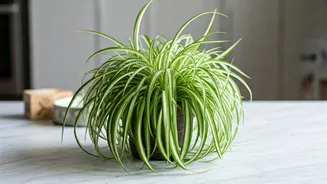
Good insurance shouldn’t cost a fortune, and this 'policy' is practically free to maintain. Spider plants are notoriously easy to care for, making them perfect for both beginner plant owners and busy pet parents who already have enough on their plate. They thrive in a wide range of conditions, tolerating both bright, indirect light and lower-light corners of your home. Forget to water it for a week (or two)? It’ll likely be fine. Its thick, fleshy roots, called rhizomes, store water, making it surprisingly drought-tolerant. Unlike finicky fiddle-leaf figs or drama-prone calatheas, the spider plant asks for very little but gives a lot in return. Your monthly 'premium' is just an occasional watering and a spot with some light. That’s a deal anyone can afford.
Free Policy 'Renewals' for Life
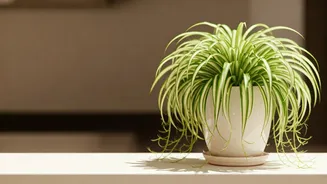
Perhaps the most magical feature of the spider plant is its ability to self-propagate. A happy, mature plant will send out long stems, or 'runners,' that produce tiny baby spider plants at their ends, often called 'spiderettes.' These are, essentially, free plants. Once a spiderette develops a few small roots of its own, you can snip it off and plant it in a new pot of soil. Voilà—a brand-new spider plant. This means your initial 'investment' can be multiplied indefinitely. If your pet does manage to inflict catastrophic damage on the mother plant (a rare feat), you’ve likely got a dozen backups already growing. You can use these babies to fill other rooms, give them away to friends, or simply create a lush, pet-safe jungle at no extra cost.
The Air-Purifying 'Bonus Rider'
While the claim has been somewhat overblown for household settings, it's worth noting that spider plants were part of a famous 1989 NASA Clean Air Study. The study found they were effective at removing common indoor air pollutants like formaldehyde and xylene from a sealed environment. Now, you’d need a literal forest of them to significantly purify the air in your home, but it’s a nice little bonus feature of your 'policy.' Knowing that the plant sharing space with your beloved pet isn’t just safe but also a (very) minor contributor to a cleaner indoor environment adds another layer of value. It's the small-print perk that makes an already great deal even better.