
1. The Color Palette: Warm and Grounded
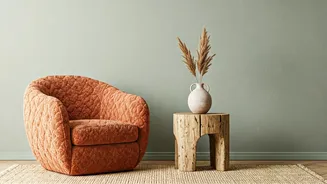
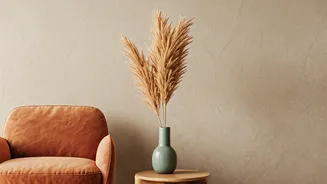
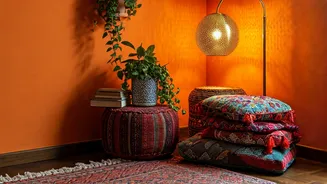
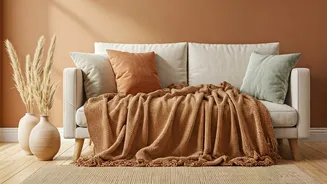
Forget sterile whites and moody charcoals. The 2026 color story is pulled directly from the earth. Think of a walk in the desert at sunset: rich terracotta, dusty rose, sandy beige, and deep ochre. These are balanced by forest-inspired hues like olive
green, moss, and warm, chocolatey browns. These colors aren't just for walls. Expect to see them appear in plush velvet sofas, linen curtains, and ceramic accessories. The goal is to create a cohesive, layered look that feels enveloping. This palette is inherently calming, working to reduce stress and create a sense of stability. It’s a move away from high-contrast drama and toward a more harmonious, tonal environment that mimics the natural world.
2. Material Focus: Natural and Sustainable
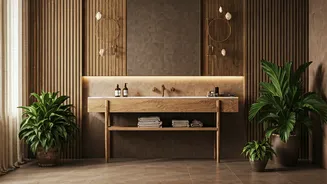
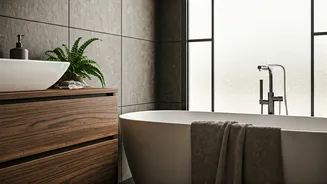
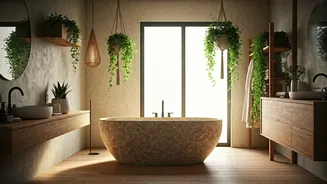
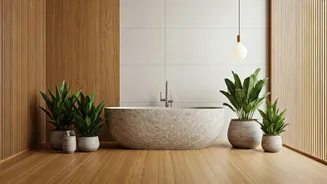
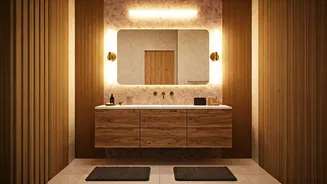
The desire for authenticity is showing up in our material choices. Highly polished, synthetic surfaces are being replaced by materials that are honest about their origins. Light-toned woods like white oak, ash, and maple remain popular, often with matte or raw finishes that celebrate the grain. Rattan, wicker, and jute continue their reign in furniture, lighting, and rugs, adding texture and a handcrafted feel. In the kitchen and bathroom, expect to see more natural stone like travertine and limestone, which offer a softer, more organic alternative to marble. These materials not only look good but also connect to a growing desire for sustainability and products with a lower environmental impact. It’s about choosing pieces that have a story and will age gracefully over time.
3. Texture is the New Pattern
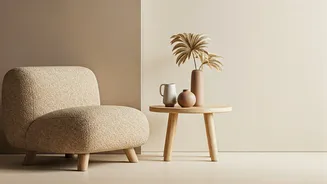
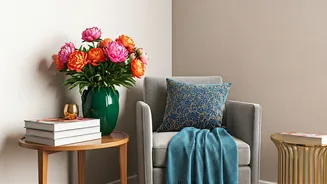
To create a truly comfortable space, designers are focusing on how a room *feels*, not just how it looks. Tactile surfaces are essential. This is where you’ll see the rise of nubby bouclé fabrics, chunky knit throws, plush high-pile rugs, and slubby linen upholstery. The visual interest that was once provided by bold, graphic patterns is now being created through the interplay of different textures. Imagine a smooth leather armchair next to a rough-hewn wooden side table, topped with a raw ceramic lamp. This layering of textures adds depth and complexity, making a room feel curated and cozy. It invites you to touch and interact with your surroundings, enhancing the sense of comfort and home.
4. Shapes Go Soft and Organic
The strict, rigid lines of modernism are softening into more forgiving forms. Furniture is becoming more sculptural and curved. Sofas with rounded backs, circular coffee tables, and chairs with gentle, flowing lines are becoming the norm. This trend extends beyond furniture to architecture and decor. Arched doorways and windows are making a major comeback, breaking up the tyranny of the rectangle. Mirrors, rugs, and even cabinet pulls are taking on more organic, irregular shapes. This shift is about creating a sense of ease and flow within a space. Sharp angles can feel harsh and formal; curves are perceived as more welcoming, gentle, and natural, contributing to the overall atmosphere of relaxed comfort.
5. Biophilia: Bringing the Outdoors In
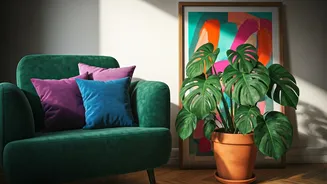
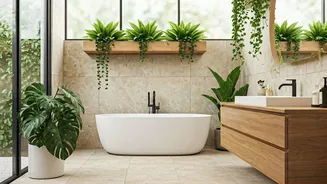
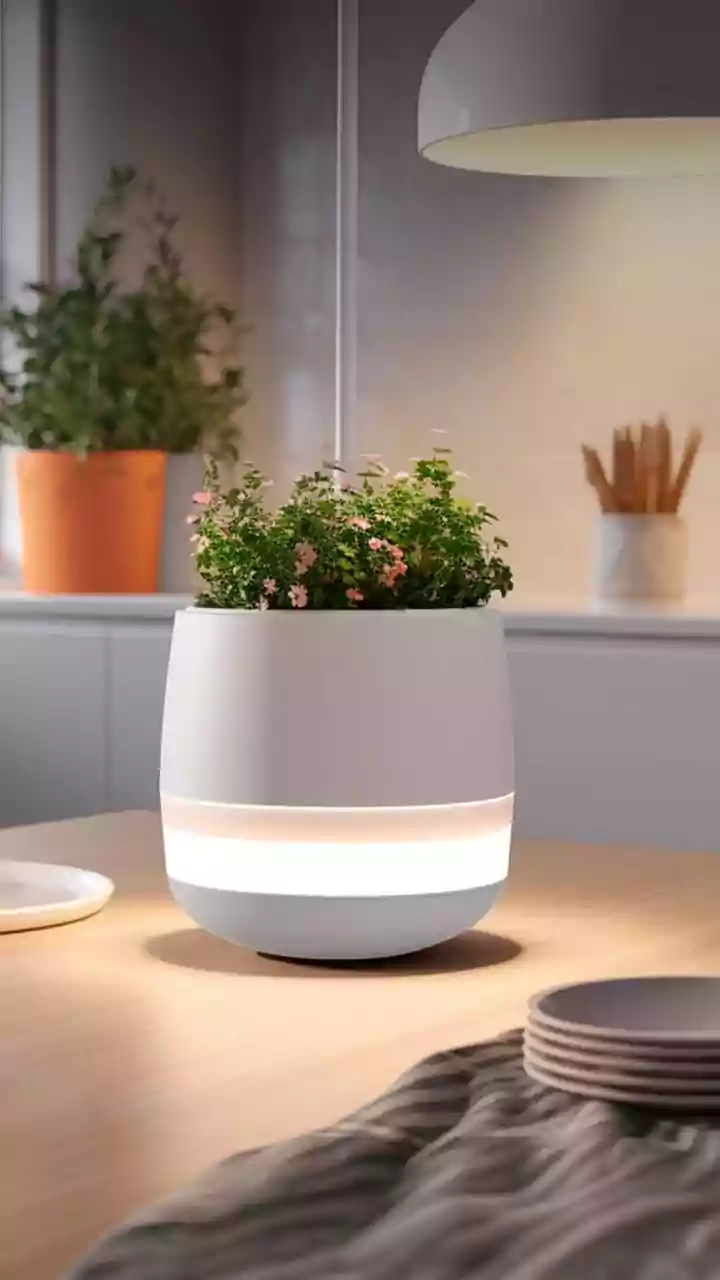
The concept of biophilic design—the idea that humans have an innate need to connect with nature—is now a core principle of home interiors. This goes far beyond placing a lone fiddle-leaf fig in the corner. It's about intentionally blurring the line between inside and out. Large windows that frame views of the garden, the strategic use of skylights to maximize natural light, and the incorporation of indoor planters and living walls are all part of this trend. Even the earthy color palettes and natural materials mentioned earlier are a form of biophilia. The result is a home that feels alive and connected to the rhythms of the natural world, promoting a sense of well-being and tranquility in our increasingly digital lives.