


The Valley Beyond the Hype
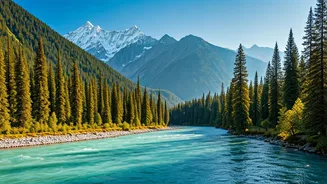
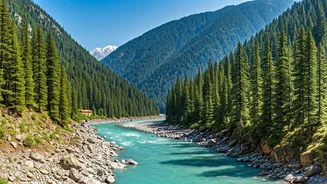
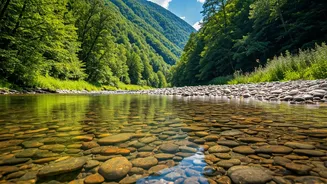
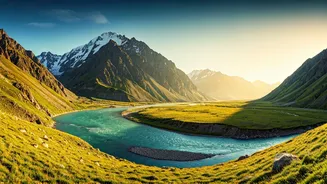
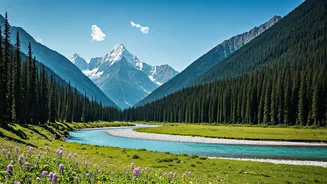
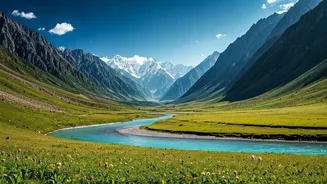
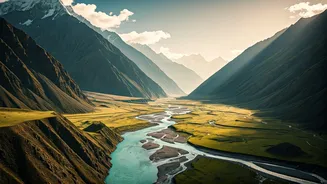
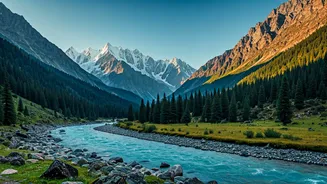
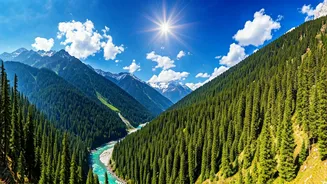
Tucked away in the Kullu district of Himachal Pradesh, Tirthan Valley is a world apart from India’s bustling megacities. It’s not a single town but a verdant corridor carved by the Tirthan River, which flows crystalline and cold from a glacial source
deep within the Great Himalayan National Park. This park, a UNESCO World Heritage Site, forms the valley’s pristine backyard. Unlike its more famous neighbors like Manali or Shimla, Tirthan has deliberately sidestepped large-scale commercialization. Strict environmental regulations preserve its character, forbidding the construction of large hotels and maintaining its status as a protected “eco-zone.” The result is a destination that feels curated by nature, not developers.
Defining 'Wild Calm'
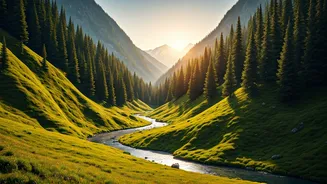
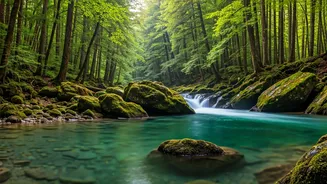
The phrase capturing the valley’s essence is “wild calm,” a perfect descriptor for its unique appeal. The “wild” is everywhere: in the roar of the river that provides a constant, meditative soundtrack; in the dense deodar and pine forests that cloak the hillsides; and in the possibility of spotting a rare blue sheep or Himalayan tahr on a remote trail. Yet, this wilderness isn’t intimidating. It’s deeply calming. The air is crisp, the sky is vast, and the rhythm of life slows to match the gentle pace of the river. There are no sprawling resorts, no souvenir shop gauntlets, and cellphone service is often a happy accident. This intentional disconnect is precisely what travelers, weary of digital noise, are seeking. It’s an immersion in a landscape that demands nothing from you but your presence.
An Outdoor Enthusiast’s Playground
While Tirthan is a haven for relaxation, it is by no means idle. The valley is a premier destination for adventure that feels authentic and uncrowded. Anglers come for the legendary trout fishing; the Tirthan River is famous for its brown and rainbow trout, and permits for catch-and-release fishing are readily available. Trekkers have a dizzying array of options, from gentle riverside walks to multi-day expeditions into the heart of the Great Himalayan National Park. Popular shorter treks lead to serene spots like the Jalori Pass, the ruins of Raghupur Fort, or the mystical Serolsar Lake. Bird-watching is another major draw, with the park hosting hundreds of species, including the vibrantly plumed Western Tragopan. Every activity is an excuse to engage more deeply with the stunning natural environment.
The Homestay Heartbeat
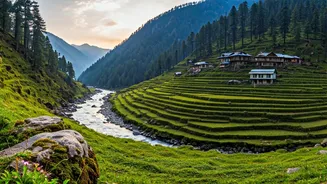
Perhaps the most defining aspect of a trip to Tirthan is the accommodation. The valley’s tourism is built on a network of intimate, family-run homestays. These aren’t just places to sleep; they are the core of the experience. Many are built in the traditional Kath-Kuni style, a stunning architectural method using interlocking layers of wood and stone without mortar, designed to be earthquake-resistant. Staying in one means waking up to views of misty mountains, eating delicious home-cooked Himachali meals made with ingredients from the family garden, and sharing stories with your hosts around a crackling fire. This model fosters a sustainable, community-based tourism that gives visitors a genuine connection to the place and its people, a far cry from the anonymous experience of a corporate hotel chain.
Planning Your Escape
For American travelers, getting to Tirthan requires a bit of a journey, but it’s part of the adventure. The typical route involves flying into New Delhi (DEL), followed by a short domestic flight to Bhuntar Airport (Kullu), the closest airport to the valley. From there, it’s a scenic, if winding, 2-to-3-hour drive. The best times to visit are during the spring months (March to June) when the weather is pleasant and the landscape is blooming, or in the autumn (September to November) for crisp air and clear mountain views. The monsoon season (July and August) brings heavy rains and potential landslides, while deep winter (December to February) can see heavy snowfall and road closures, making travel difficult but offering a stark, snowy beauty for the truly intrepid.