





An Ancient Mountain Range Reborn
Before you chase the cascades, it helps to understand the landscape. The Western Ghats are a chain of mountains running parallel to the western coast of the Indian peninsula. Recognized as a UNESCO World Heritage Site, this region is one of the world's
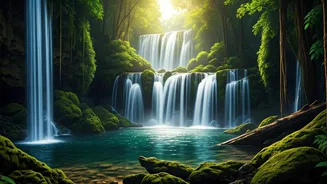
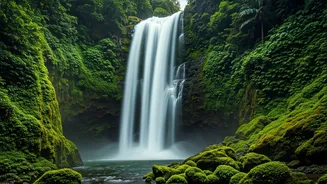
most important biodiversity hotspots. For most of the year, it’s a beautiful but relatively dry range. But from June to September, the annual monsoon rolls in from the Arabian Sea, drenching the mountains and birthing thousands of waterfalls. The entire ecosystem explodes with life, painting the hills in every shade of green imaginable. For travelers, this is a dramatic, cinematic experience—a world away from the typical tourist trail.
Dudhsagar Falls: The Sea of Milk
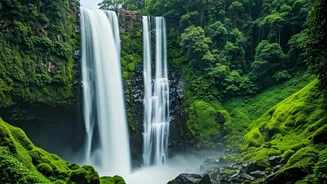
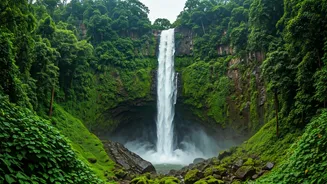
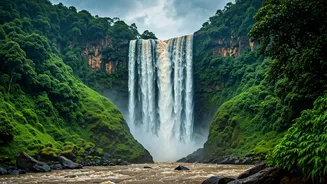
Arguably the most iconic waterfall in the region, Dudhsagar literally means “Sea of Milk.” Located on the border of Goa and Karnataka, this four-tiered giant cascades over 1,000 feet down a sheer rock face. What makes it so famous is the railway line that crosses the waterfall midway up its drop. The sight of a train emerging from a tunnel and traversing the bridge as water rages around it is a truly unforgettable spectacle. Getting there is an adventure in itself, typically involving a rugged jeep safari through the Bhagwan Mahaveer Sanctuary and Mollem National Park. It’s not an easy-access viewpoint, which makes the final reveal all the more rewarding. The sheer volume and power of the water during peak monsoon are humbling.
Jog Falls: A Plunge of Pure Power
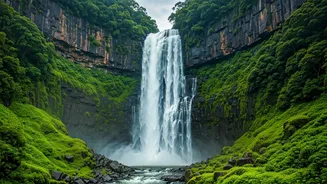
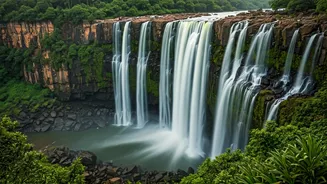
While Dudhsagar is known for its tiered beauty, Jog Falls in Karnataka is all about raw, untamed power. Created by the Sharavathi River, it’s a plunge waterfall, meaning the water drops directly without hitting the rock face. It’s actually a composite of four distinct cascades known as Raja, Rani, Roarer, and Rocket, which combine during the peak monsoon into a single, colossal curtain of water. Unlike some of the more remote falls, Jog Falls is relatively accessible, with well-maintained viewing platforms that offer breathtaking panoramic vistas. For a different perspective, adventurous visitors can walk down the nearly 1,400 steps to the base of the falls to feel the immense spray and hear its deafening roar up close.
Athirappilly Falls: The Niagara of India
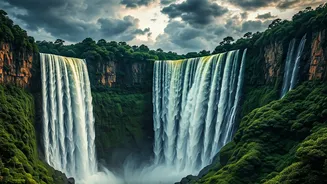
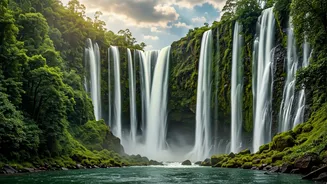
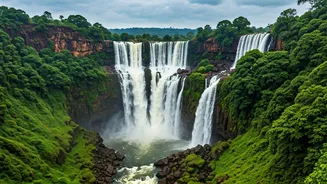
Located in the lush forests of Kerala, a state often called “God’s Own Country,” Athirappilly Falls has earned its nickname as the “Niagara of India.” Spanning over 330 feet wide, this massive, segmented waterfall is a stunning display of nature's grandeur. Its sheer scale and picturesque setting have made it a favorite location for Indian filmmakers. Visitors can view the falls from the top, where the Chalakudy River begins its powerful descent, or take a 15-minute trek down a paved path to the bottom. From the base, you can fully appreciate the width and force of the cascade. The area is also rich in wildlife, and it’s not uncommon to spot monkeys and diverse bird species in the surrounding jungle.
Tips for Your Monsoon Adventure
Planning a trip to the Western Ghats during the monsoon requires a bit of preparation. The best time to visit is from June to September, but be aware that heavy rains can sometimes cause road closures or make trails slippery. Pack accordingly: waterproof jackets, quick-dry clothing, and sturdy, high-grip footwear are non-negotiable. Leeches are common in the damp forests, so leech socks or high boots are a wise addition. While you can rent a car, hiring a local driver is often the best way to navigate the winding, rain-slicked mountain roads. Most importantly, embrace the rain. It’s not an inconvenience to be avoided; it’s the very source of the region’s spectacular seasonal magic.