
The 'Everything Room' Philosophy
The idea that a single room can house your professional ambitions, your fitness goals, and your moments of quiet repose sounds like a recipe for chaos. But it’s not about cramming everything together; it’s about intentional design. The ‘everything room’
is a response to the reality of modern life. For studio apartment dwellers, it’s a necessity. For others, it’s a minimalist choice—a way to live more efficiently and consciously within a smaller footprint. Instead of letting these different parts of your life bleed into one another messily, you create a space that gracefully transitions between functions. The goal is a room that feels like a calm, capable command center for your entire day, not a source of spatial anxiety.
Zone Your Space, Not Your Life
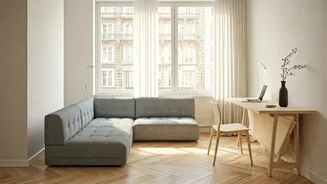
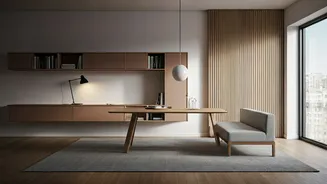
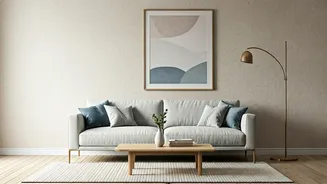
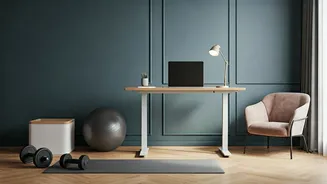
The secret to making one room work for three distinct purposes is zoning. This doesn't require walls or even screens. You can create powerful psychological boundaries with simple design cues. A well-placed area rug can define your living/downtime area, visually separating it from the hardwood or tile where your desk sits. Use lighting to your advantage: bright, cool-toned light for your desk area can help with focus, while a warm, dimmable floor lamp in a corner creates a cozy reading nook. Even furniture placement can create invisible ‘hallways’ that guide you from one zone to another. The key is to make each zone feel purposeful, so stepping from your ‘office’ to your ‘lounge’ feels like a genuine shift in environment, even if you’ve only moved six feet.
The Disappearing Office
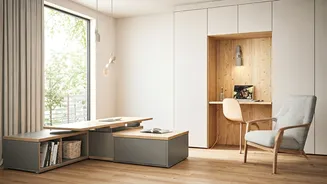
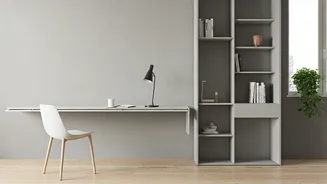
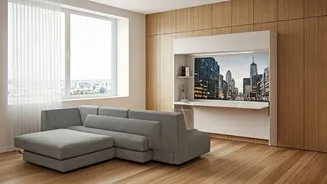
A desk and an ergonomic chair parked in the middle of your living space can be a constant, stressful reminder of your to-do list. The trick is to make your office disappear at 5 p.m. Invest in multi-functional furniture. A secretary desk or a fold-down wall-mounted desk can be closed up, instantly hiding your laptop, papers, and professional anxieties. Choose an office chair that doesn't scream ‘corporate cubicle’—many modern designs look like stylish accent chairs. Use attractive storage boxes or a small cabinet to house your work supplies, allowing you to perform an ‘end-of-day shutdown’ ritual where you physically put your work away. This small act signals to your brain that the workday is officially over, allowing the room to transform into a space for rest.
The Invisible Gym
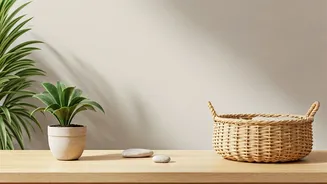
A treadmill in the corner gathering dust (and laundry) is a classic decorating faux pas. Today’s fitness equipment is designed for discretion. Sleek, reflective fitness mirrors look like chic decor when not in use but offer a full workout studio experience on command. Under-sofa walking pads and foldable treadmills can be slid out of sight. Rather than stashing ugly dumbbells in a corner, consider elegant kettlebells or weight sets that look like sculptures. A beautiful cork yoga mat can be rolled up and placed in a woven basket that doubles as a decorative element. By choosing equipment that either blends in or hides away completely, your workout area only exists when you need it to, leaving your room free for its other functions the rest of the time.
Crafting a Relaxation Hub
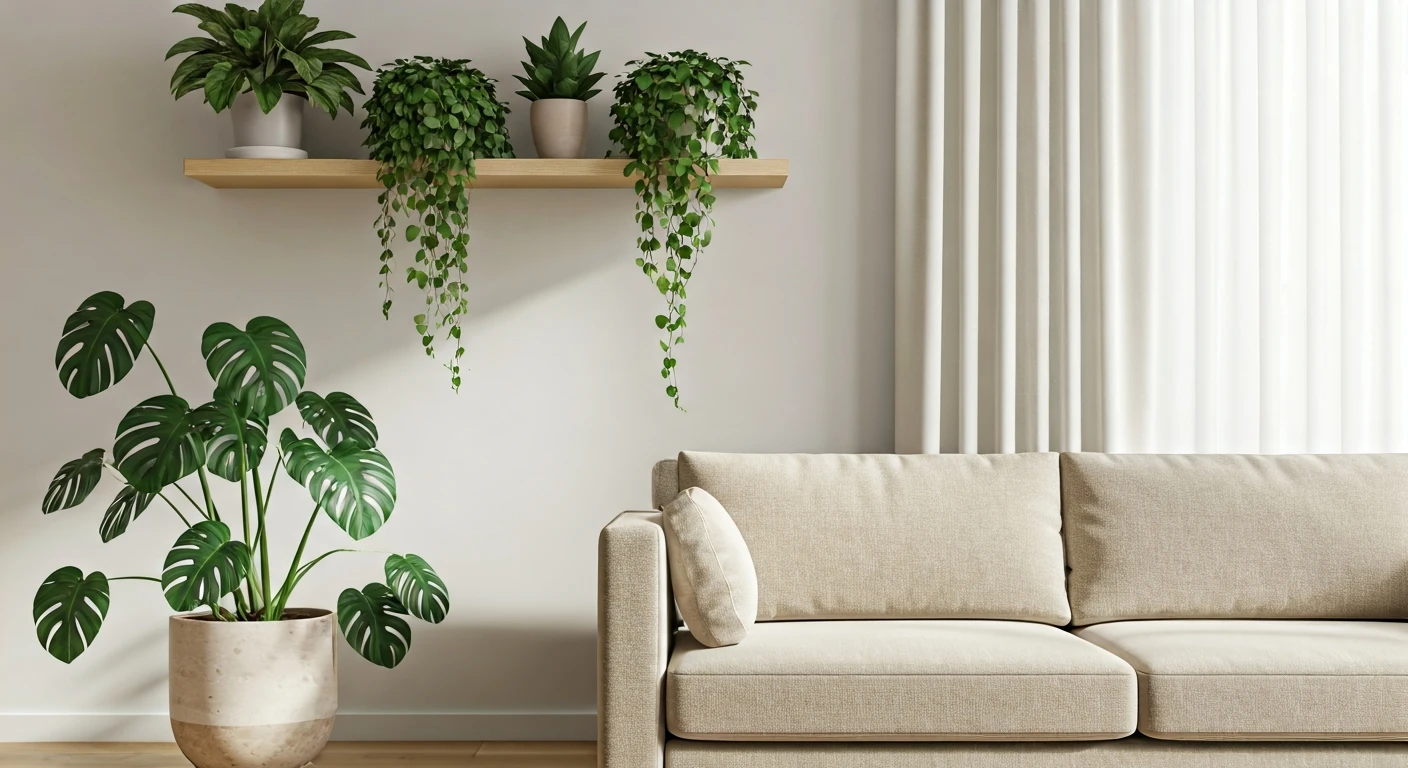
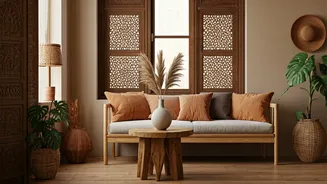
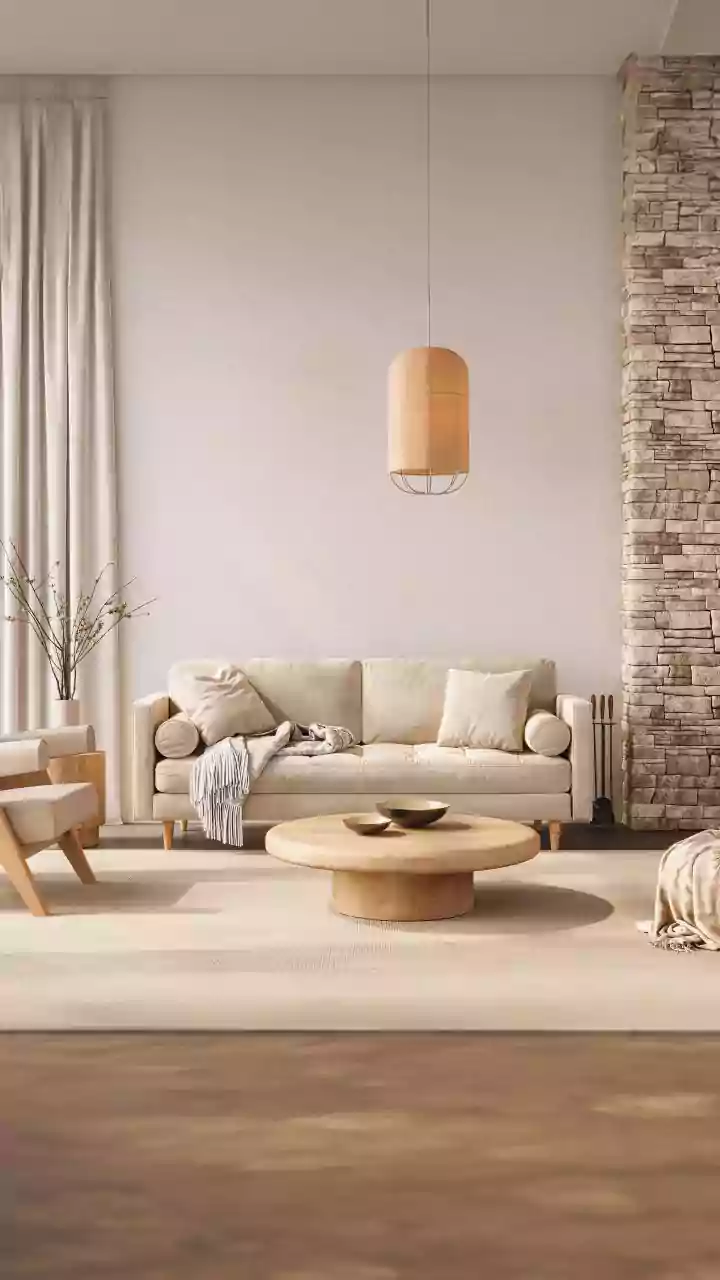
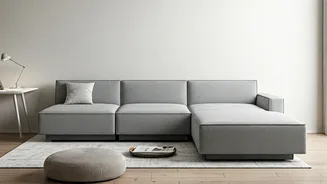
After the desk is folded and the yoga mat is put away, the room must successfully transition into a sanctuary for downtime. This is where sensory details matter most. Soft textiles are your best friend; drape a plush, chunky knit blanket over the sofa and add an abundance of comfortable pillows. Control your lighting with smart bulbs that can shift to a warm, candle-like glow in the evening. Scent can also powerfully delineate time and space. A diffuser with a calming lavender or sandalwood scent can signal that it's time to unwind. The final piece is ritual. The act of dimming the lights, lighting a candle, or putting on a specific ‘downtime’ playlist helps finalize the room's transformation from a place of work and effort to one of pure relaxation and peace.