





1. The Coffee Ground Kickstart
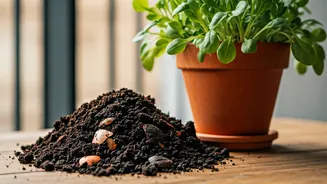
Used coffee grounds are a goldmine for gardeners. They are rich in nitrogen, a crucial nutrient that fuels leafy growth, making them perfect for herbs, lettuces, and foliage-heavy houseplants. Acid-loving plants like blueberries, hydrangeas, and azaleas
particularly appreciate the slight acidity that grounds can add to the soil. The easiest way to use them is to spread the grounds on a tray to dry completely, which prevents mold. Once dry, you can sprinkle a thin layer (about half an inch) around the base of your plants and gently work it into the top layer of soil. Alternatively, mix a small amount of dried grounds directly into your potting mix when repotting. A word of caution: use them in moderation. A little goes a long way, and too much can create a dense, water-repellent layer on your soil's surface.
2. The Eggshell Calcium Boost
Crushed eggshells are an excellent source of calcium carbonate, which helps strengthen plant cell walls and can prevent blossom-end rot in plants like tomatoes and peppers—two popular balcony crops. Calcium also helps moderate soil pH, preventing it from becoming too acidic. To prepare them, rinse the shells thoroughly to remove any egg residue, let them air dry completely for a day or two, and then crush them into a fine powder. A mortar and pestle, a spice grinder, or even a rolling pin and a plastic bag will do the trick. The finer the powder, the faster the nutrients will be available to your plants. Sprinkle this powder onto the soil surface around your plants or mix it into the soil before planting. It’s a slow-release amendment, so its benefits will unfold over the entire growing season.
3. The Banana Peel Power-Up
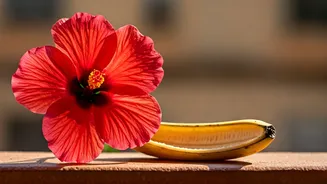
Banana peels are famous in gardening circles for being packed with potassium, a key nutrient that aids in overall plant vigor, disease resistance, and flower and fruit development. For flowering plants like petunias or fruiting ones like cherry tomatoes, a potassium boost can make all the difference. There are two simple ways to use them on a balcony. First, you can chop the peels into small pieces and bury them an inch or two deep in the soil of your pots, where they will decompose and slowly release nutrients. A cleaner method is to create a "banana peel tea." Simply soak a few fresh peels in a jar of water for two to three days. The water will absorb the potassium and other trace minerals. Remove the peels and use the nutrient-infused water to feed your plants during your regular watering routine.
4. The Simple Veggie Scrap Soak
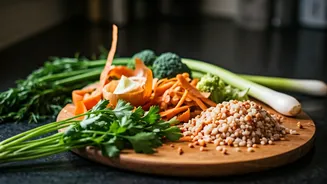
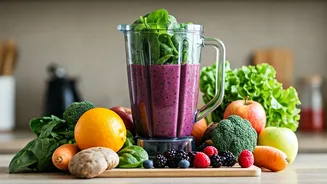
Don't throw out the trimmings from carrots, celery, lettuce leaves, or spinach. While you can't put just anything in here (see our next point), non-oily, non-starchy vegetable scraps can be used to create a liquid fertilizer. This is a great alternative to a full compost pile, which isn't practical for most balconies. Collect your scraps in a container with a lid. When you have a good amount, add them to a large jar or bucket, cover them with water, and let them steep for three to five days, stirring occasionally. The water will become a nutrient-rich brew. Strain out the solids (which can now be discarded) and dilute the remaining liquid with an equal amount of plain water. Use this "compost tea" to water your plants for a gentle, broad-spectrum nutrient feed.
5. What to Absolutely Avoid
Not all kitchen waste is created equal, and some items can cause major problems in your potted plants. Avoid adding meat, fish, dairy products, or any oily or greasy foods. These materials attract pests, can create foul odors as they rot, and can harbor pathogens that are harmful to your plants and unpleasant for you on a small balcony. Similarly, avoid heavily salted foods and most processed breads or grains, which can also attract pests and don't break down efficiently in a simple setup. Sticking to raw fruit and vegetable scraps, eggshells, and coffee grounds is the safest and most effective strategy for creating a simple, clean, and powerful fertilizer for your balcony oasis.