





The New Mindset: From Nuisance to Threat
The phrase “survival training” might sound dramatic, but it captures a crucial mental shift. For decades, exercising in the summer meant dealing with a nuisance: you’d sweat more, feel a bit slower, and maybe get a tan. That era is over. Now, exercising in the heat
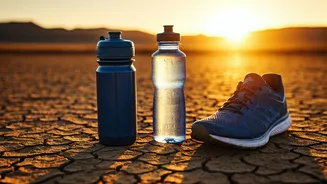
without a plan is a genuine health risk. The threat isn’t the temperature on the thermometer; it's the heat index, a measure of how the temperature feels when combined with humidity. High humidity prevents sweat from evaporating efficiently, which is your body’s primary cooling mechanism. When that system fails, your core temperature can rise to dangerous levels, leading to heat exhaustion or life-threatening heatstroke. Thinking like a survivalist means respecting the environment, knowing your personal limits, and having a plan before you even lace up your shoes. It’s no longer about “pushing through the pain”; it's about being smart enough to train tomorrow.
Your New Workout Partner: The Clock
The most fundamental rule of heat-aware fitness is avoiding the sun at its peak. The hottest part of the day is typically between 10 a.m. and 4 p.m., but this window is expanding as temperatures climb. Your new strategy is to become a creature of the dawn or dusk. Early morning workouts offer the coolest temperatures and often lower humidity. If you’re not a morning person, exercising after the sun goes down is the next best option. Before you head out, check not just the temperature but the heat index and air quality. Many weather apps now provide an hourly heat index forecast. Use it to pinpoint the safest possible window for your activity. If your schedule is inflexible and the only time you have is midday, that’s your cue to take your workout indoors. A treadmill, stationary bike, or a strength-training session in an air-conditioned gym is infinitely better than risking your health for a sun-scorched jog.
Hydration as a Full-Time Job
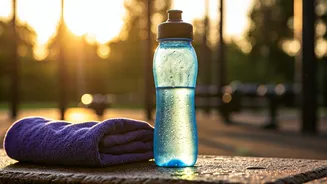
Thirst is a lagging indicator. By the time you feel thirsty during a hot-weather workout, you’re already dehydrated. True heat-aware hydration is a process that starts hours before your activity and continues long after. Begin hydrating the day before a planned strenuous workout. On the day of, aim to drink 16-20 ounces of water two to three hours before you start, and another 8 ounces about 20 minutes prior. During exercise, the goal is to sip consistently—about 7-10 ounces every 15-20 minutes. For workouts lasting longer than an hour, water alone isn't enough. You’re losing crucial electrolytes like sodium and potassium through sweat. This is where sports drinks or electrolyte tablets become essential for preventing muscle cramps and maintaining fluid balance. And remember, what you don’t drink also matters. Alcohol and caffeine can have a diuretic effect, accelerating fluid loss. Save them for well after you’ve rehydrated post-workout.
Modify, Don't Martyr Yourself
Your ego is your enemy in the heat. A pace or intensity level that feels easy at 65 degrees can be dangerously taxing at 90 degrees with high humidity. Your body is already working overtime just to keep itself cool, leaving less energy for performance. Instead of chasing personal bests, focus on consistency and effort. Shorten your runs, reduce the weight you’re lifting, or add more rest intervals. Pay attention to your heart rate; for the same perceived effort, your heart rate will be significantly higher in the heat. Consider swapping your high-intensity cardio for something more suited to the conditions. Swimming is the perfect summer exercise, as the water helps keep you cool. A shaded trail offers more relief than sun-baked asphalt. The goal is to maintain your fitness base through the hot months without sidelining yourself with a heat-related illness. There’s no glory in ending up in the emergency room.
Know the Early Warning Signs
This is the most critical survival skill of all: learning to listen to your body and recognizing the difference between normal exertion and the onset of heat illness. Heat exhaustion is your body’s final warning before heatstroke. The symptoms can be subtle at first. Pay attention to: heavy sweating, cool and clammy skin, a fast but weak pulse, nausea or vomiting, muscle cramps, dizziness, headache, and fatigue. If you experience any of these, stop immediately. Find a cool, shaded place, lie down, and sip cool water or a sports drink. Use a cool, wet cloth on your head and neck. If your symptoms don't improve within an hour or get worse, seek medical help. Heatstroke is a medical emergency. Its key signs include a high body temperature (103°F or higher), hot and red skin (which may be dry or damp), a fast and strong pulse, confusion, slurred speech, and loss of consciousness. If you suspect heatstroke, call 911 immediately.