

First, Do the Math on Weight
Before you buy a single pot, think about weight. A balcony isn't a backyard. It’s an engineered structure with a load limit. The biggest “breakdown” is a structural one, and it’s completely avoidable. Saturated soil is incredibly heavy—a large pot can
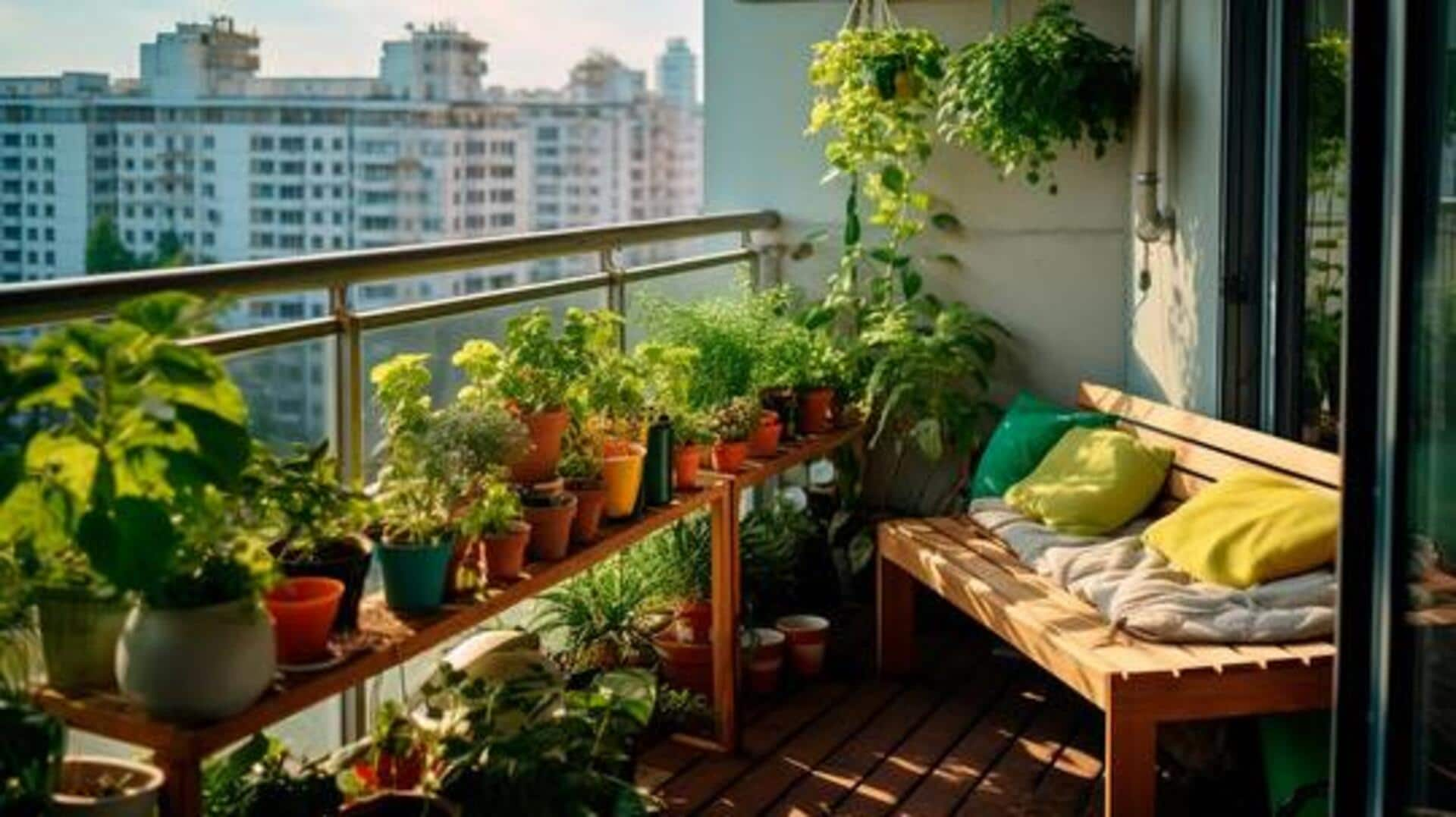
easily weigh over 150 pounds. Add the weight of the pot itself, other furniture, and the people enjoying the space, and the numbers add up fast. Your first step should be to contact your building management, landlord, or homeowners’ association to ask about the balcony’s load-bearing capacity, often measured in pounds per square foot (psf). While most modern balconies are built to hold at least 40-60 psf, knowing your specific limit is crucial. As a rule of thumb, distribute weight by placing heavier pots closer to the building’s walls or over support beams, rather than concentrating them at the outer edge of the railing.
Choose Lighter Pots and Soil
Once you understand your weight limits, you can shop smart. This is where you can save hundreds of pounds. Skip the heavy concrete, ceramic, or terracotta planters for your largest specimens. Instead, opt for lightweight alternatives like fiberglass, resin, or high-quality plastic containers. They offer the same visual appeal with a fraction of the weight and are often more durable in freeze-thaw cycles. The soil itself is another major contributor to weight. Instead of dense garden soil or topsoil, use a soilless potting mix. These mixes are typically composed of peat moss, coir, perlite, and vermiculite. Not only are they significantly lighter, especially when wet, but they also provide superior aeration and drainage, which is exactly what container plants need to thrive and avoid root rot.
Master the Microclimate
A balcony is a unique microclimate, often harsher than a garden on the ground. Wind is a major factor, especially on higher floors. It dries out soil and foliage rapidly and can physically shred delicate leaves or topple tall plants. Sun can be more intense due to reflected light and heat from the building’s facade and windows. A south- or west-facing balcony can become a furnace in the afternoon. Observe your balcony’s conditions. Does it get relentless, baking sun all day, or is it in deep shade? Is it a wind tunnel? This assessment is key to avoiding the heartbreaking breakdown of dead plants. For windy spots, choose sturdy, low-growing plants. For hot, sunny spots, you’ll need drought-tolerant varieties. If you have a shady nook, look for plants that scorch in direct sun.
Select the Right Plant All-Stars
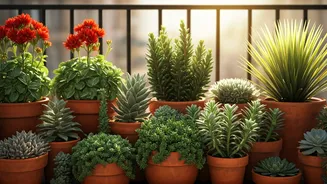
Now for the fun part: choosing the plants. Success comes from matching the plant to the conditions you just identified. Don’t fight your environment; work with it. For hot, sunny, and potentially windy balconies, think tough. Succulents like sedum and sempervivum are practically bulletproof. Ornamental grasses (like blue fescue), lavender, and rosemary love sun and can handle some dryness. For flowers, look to geraniums, zinnias, and portulaca (moss rose), which are built for heat. For shadier balconies, you can create a cool, lush look. Heuchera (coral bells) offer stunning foliage color, while impatiens and begonias provide reliable blooms without direct sun. Ferns and hostas also do beautifully in sheltered, shady containers, creating a woodland feel many floors up.
Water Wisely and Be a Good Neighbor
Watering is the final piece of the puzzle. The goal is to keep your plants happy without creating a mess for your downstairs neighbors. Ensure every pot has drainage holes. Without them, you’re guaranteeing root rot. To catch the excess, place a deep saucer under every pot. For a cleaner look, you can use self-watering planters, which have a built-in reservoir at the bottom. Check your plants frequently, especially on hot, windy days, as containers dry out much faster than garden beds. The best method is to feel the soil an inch or two down. If it’s dry, it’s time to water. Water thoroughly until you see it run out the bottom, but be mindful of overflow. A small, lightweight watering can gives you more control than a powerful hose, preventing splashes and runoff onto other balconies.