


More Than Just a Bulb
In the U.S., we often think of lighting in practical terms: task lighting for the kitchen counter, a reading lamp by the sofa, overhead fixtures for general brightness. But a design movement gaining momentum in India reframes this entirely. Here, light isn't
just a utility; it's an ingredient. It’s a tool for creating mood, telling a story, and adding a layer of artistry to a space. This philosophy moves beyond wattage and lumens to consider the emotional texture of a home. The goal is to design with light itself, using its warmth, shadow, and color to evoke feelings of comfort, drama, or tranquility. It's a shift from 'lighting a room' to 'curating an atmosphere,' making fixtures and their glow as important as the furniture or the color on the walls.
The Glow of Reimagined Tradition
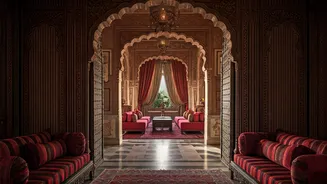
This trend is deeply rooted in Indian culture, where light has profound spiritual and ceremonial significance, most visibly during festivals like Diwali, the 'festival of lights.' Homeowners and designers are now integrating these traditional elements into everyday decor. You might see a modern interpretation of a 'diya' (a small oil lamp) cast in brass and wired for electricity, or a cluster of hanging lanterns that echo those seen in historic palaces. Another key element is the use of 'jaali,' or intricate latticework screens. When backlit, these screens cast complex, mesmerizing shadows that turn a plain wall into a dynamic piece of art. It’s a way of honoring heritage not as a museum piece, but as a living, breathing part of a contemporary home.
Layering Light and Statement Pieces
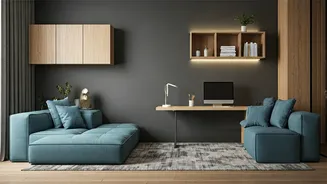
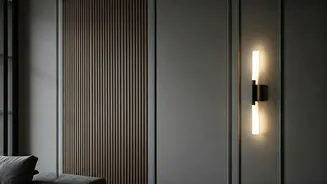
A core principle of this approach is layering. Instead of relying on a single, harsh overhead light, designers mix multiple sources to build depth. This typically involves three types of lighting. 'Ambient' light provides overall illumination, often from recessed fixtures or diffused sources. 'Task' light focuses on specific activities, like cooking or reading. Finally, 'accent' light is the decorative star. This is where the trend truly shines, with the use of dramatic, sculptural statement pieces. Think oversized woven pendants, chandeliers made from colored glass or brushed metal, or a series of delicate wall sconces that wash a wall with a soft glow. Each layer is controlled independently, allowing the mood of the room to be transformed at the flick of a switch, from bright and functional to intimate and cozy.
Warm Metals and Golden Hues
The aesthetic is defined by a palette of warmth and richness. Cool, blue-toned whites are largely avoided in favor of light that mimics candlelight or the golden hour of sunset. This is achieved through both the bulbs themselves—warm-toned LEDs are a favorite—and the materials of the fixtures. Brass, copper, bronze, and gold finishes dominate. These metals not only add a touch of timeless elegance but also reflect light with a soft, welcoming radiance. When paired with natural materials like wood, stone, and rich textiles, the effect is an environment that feels both luxurious and profoundly grounding. This preference for warmth connects back to a cultural desire for spaces that feel hospitable and spiritually nourishing.
Blurring the Lines Between Indoors and Out
In a country with a climate that often encourages indoor-outdoor living, lighting is also key to bridging these spaces. Balconies, verandas, and courtyard gardens are treated as extensions of the living room, not afterthoughts. You’ll find weatherproof string lights, elegant outdoor sconces, and even small, portable LED lanterns used to make these areas usable and beautiful after dark. By lighting pathways, highlighting plants, and creating cozy seating nooks, designers craft a seamless transition from the interior to the exterior. This approach effectively expands the home’s living area and fosters a closer connection to nature, even in a dense urban environment.