


More Than Just Filling a Corner
Not long ago, buying a houseplant was a practical decision, maybe to add a splash of color to a sterile office or fill an awkward, empty corner. But in recent years, particularly in the wake of a pandemic that forced us all indoors, our relationship with
houseplants has deepened. The weekend trip to the local nursery or the late-night scroll through an online plant shop has become a ritual. It’s less about interior design and more about intentional mood-setting. This isn’t just about aesthetics; it’s about actively curating an environment that feels calming, alive, and personal. The act of choosing a plant—considering its light needs, its potential size, its unique foliage—is the first step in a therapeutic process of making a house truly feel like a home.
The Science of a Greener Room
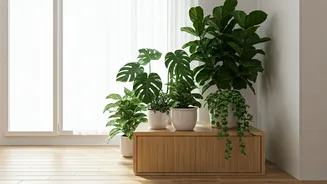
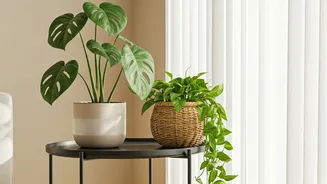
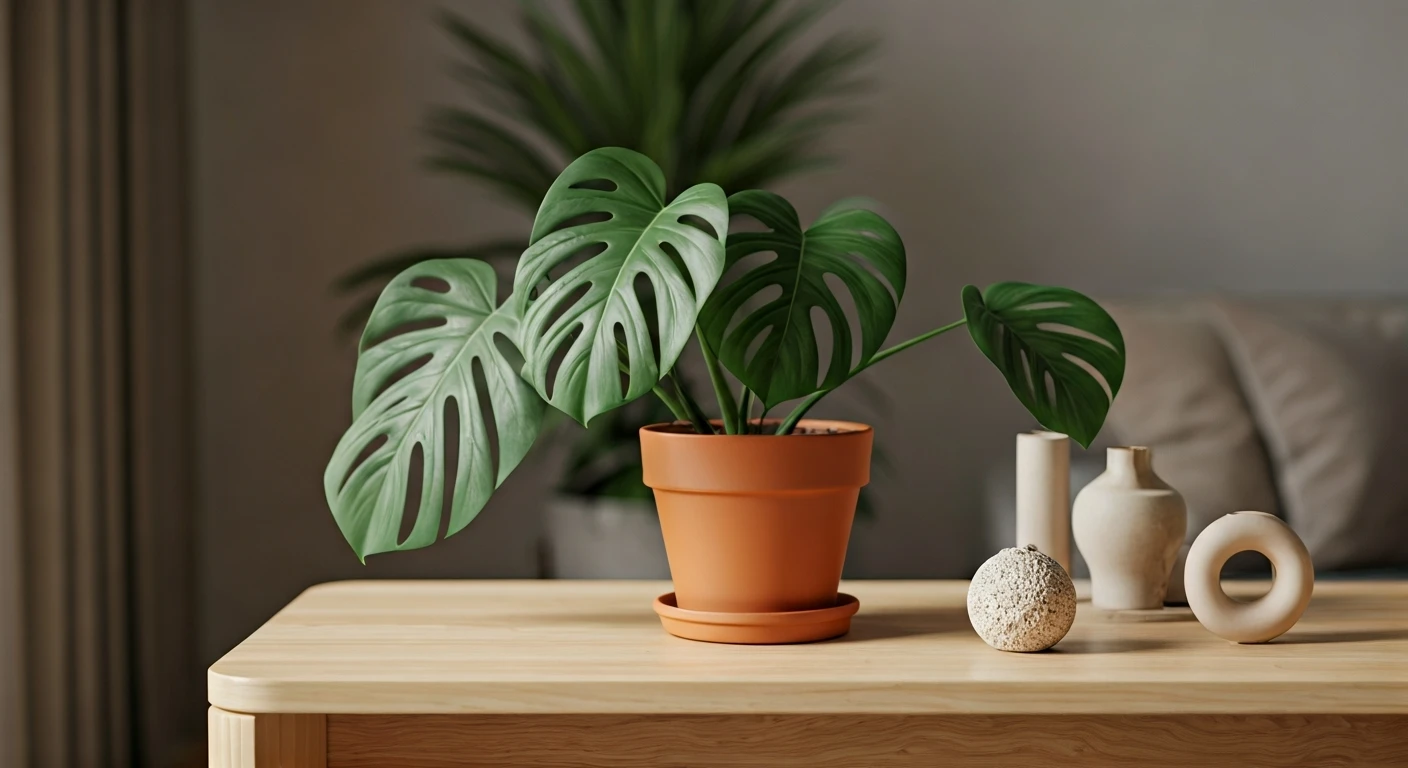
There’s a reason a plant-filled room feels different. It’s a concept called biophilia—the idea that humans possess an innate tendency to seek connections with nature. When we can’t get outside, we instinctively bring the outside in. Studies have repeatedly shown that interacting with indoor plants can reduce psychological and physiological stress. The simple presence of greenery can lower blood pressure, improve attention, and increase feelings of well-being. So when you place that new monstera on your media console, you’re not just making a style choice. You’re subconsciously tapping into an ancient, hardwired need for nature that soothes the modern, screen-saturated mind. It’s a low-cost, high-impact way to improve your mental environment without a prescription.
An Exercise in Control and Creation
In a world that often feels chaotic and unpredictable, our homes have become sanctuaries. Decorating is one of the few areas where we have complete creative control, and plants are the ultimate accessory. Unlike a sofa or a rug, they are dynamic. They grow, change, and respond to their environment. Arranging them, finding the perfect pot, and deciding which plant gets the coveted sunny spot is a quiet act of world-building. It allows us to impose a gentle, beautiful order on our immediate surroundings. This sense of agency is profoundly comforting. Each new plant is a vote of confidence in the future and a small testament to our ability to create beauty and life within our own four walls.
Nurturing Something Other Than a Sourdough Starter
The “therapy” part of the equation isn't just about the visual appeal; it’s about the ongoing relationship. Caring for a plant is a mindful practice. The daily check for thirsty leaves, the weekly watering ritual, the satisfaction of seeing new growth unfurl—these are small, tangible acts of nurturing. In a digitally dominated life, where so much of our effort is abstract and results are intangible, the feedback loop of plant care is refreshingly direct. The plant is either thriving or it isn't, and you are the reason why. This responsibility provides a gentle sense of purpose and a welcome distraction from existential dread or the endless scroll. It’s a quiet conversation between you and a living thing, grounding you in the present moment.