

From Humble to High-End
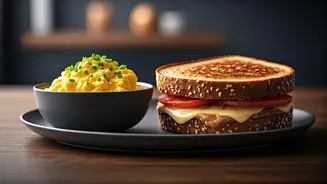
Not long ago, a grilled cheese was two slices of Kraft Singles melted between buttered white bread—a quick, satisfying, and decidedly unglamorous meal. Today, that same sandwich might feature artisan sourdough, a blend of Gruyère and aged cheddar, and be served
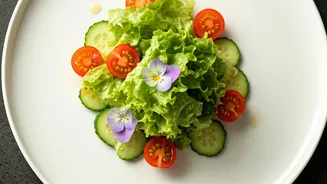
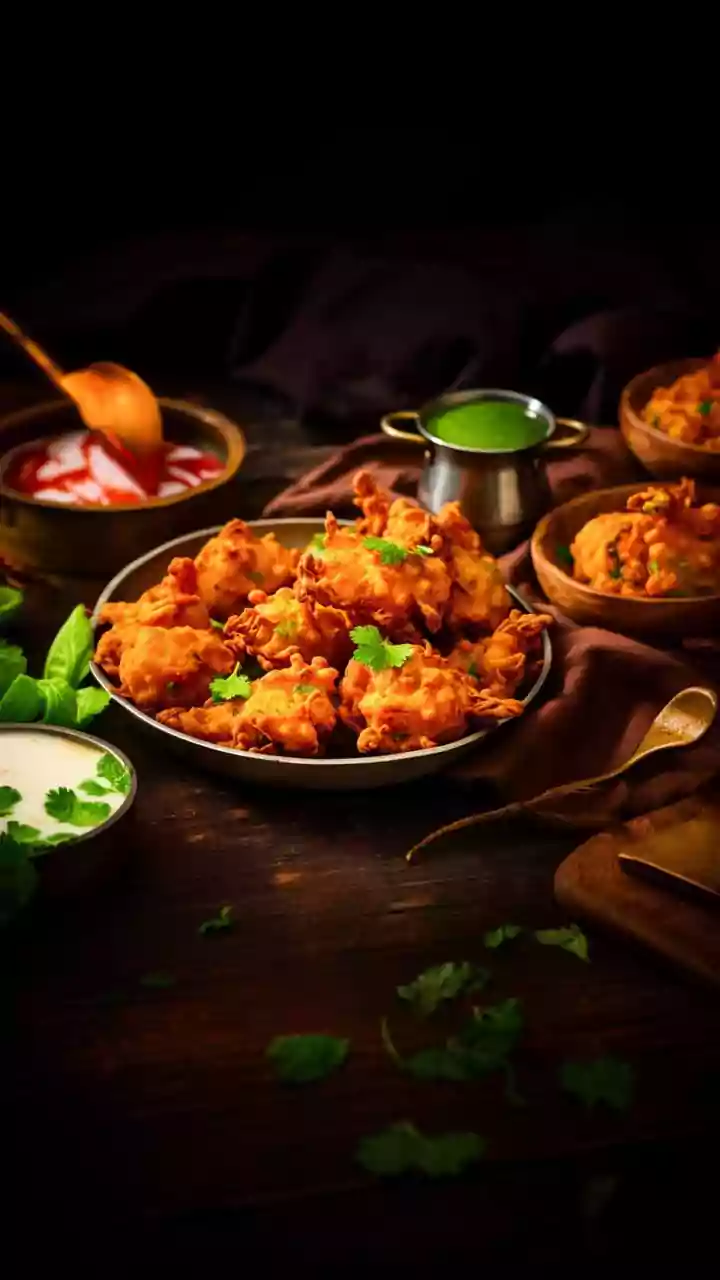
open-faced, revealing a cross-section worthy of a magazine cover. This is the 'glow-up' in action. It’s a trend where basic, nostalgic comfort foods are being meticulously styled, plated, and photographed to look like five-star cuisine. Think about the humble bowl of pasta. Cacio e pepe, once a simple dish of cheese and pepper, is now swirled into a perfect nest in a rustic, handmade ceramic bowl. The soft-scrambled eggs of your childhood are now French-style, custardy, and topped with chives and flaky sea salt. Even a simple piece of toast is no longer just a vehicle for butter; it’s a canvas for jammy, soft-boiled eggs, artistic avocado smears, or drizzles of chili crisp. The key isn't complexity of flavor, but an elevation of aesthetics through better ingredients, careful technique, and, most importantly, beautiful presentation.
The Social Media Engine
It’s impossible to talk about this trend without pointing a finger directly at Instagram and TikTok. These platforms are visual-first, and they’ve trained our brains to appreciate—and create—content that is immediately striking. The 'foodie' culture of the 2010s was often about chasing exclusivity: molecular gastronomy, hard-to-get reservations, and obscure ingredients. The new wave is more democratic. Anyone can make a grilled cheese, but can you make it *beautiful*? The short-form video format of TikTok has supercharged this phenomenon. A 15-second clip can turn the mundane act of spreading butter on a board into a viral sensation (see: the butter board craze). The satisfying scrape of a knife on crusty bread, the slow-motion cheese pull, the final drizzle of glistening olive oil—these are all micro-moments of sensory pleasure perfectly suited for a vertical screen. The process has become as important as the finished product, turning cooking into a performance. This isn't just about eating; it’s about creating a shareable, envy-inducing moment from the most ordinary of meals.
The Psychology of Aesthetic Comfort
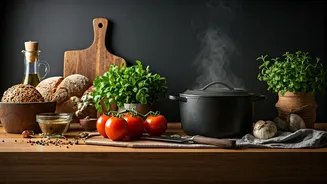
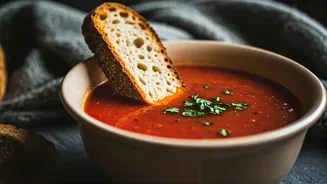
So why are we collectively obsessed with making a simple tomato soup look like it belongs in the MoMA? The trend speaks to a deeper psychological need. In a world that often feels chaotic and overwhelming, exerting this level of control and care over a small, everyday act can be incredibly grounding. It’s a form of mindfulness—a way to turn off the noise and focus on creating one small, perfect thing. It aligns with the broader 'romanticize your life' movement, which encourages finding beauty and joy in the mundane. This isn't just about showing off. For many, it's a form of self-care. Taking the extra five minutes to plate your lunch beautifully is an act that says, 'I am worthy of this small moment of luxury.' It transforms a utilitarian act (fueling your body) into an experience of pleasure and artistry. It’s a way to feel fancy without booking a flight to Paris or spending a whole paycheck on dinner. The comfort from the food is emotional and nostalgic, while the beauty is a modern, self-generated reward.
The $20 Grilled Cheese Effect
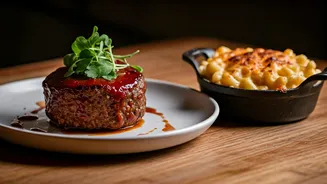
Naturally, where culture goes, commerce follows. Restaurants and cafes have been quick to capitalize on our appetite for elevated simplicity. That humble grilled cheese? It’s now on the menu for $18, served with a side of artisanal tomato bisque. The simple bowl of mac and cheese is reborn with a panko-herb crust and truffle oil, carrying a premium price tag. Restaurateurs understand that diners are not just paying for ingredients; they're paying for the experience and, crucially, the photo-op. By putting a dish on the menu that is already trending on social media, they are tapping into a pre-existing desire. Diners see a gorgeous, familiar item and feel compelled to order it, photograph it, and share it, perpetuating the cycle. It's a savvy business model that blurs the line between home cooking and professional cuisine, proving that with the right lighting and a nice plate, even the simplest dish can become a status symbol.