


So, What Exactly Is Moringa?
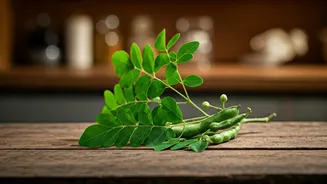
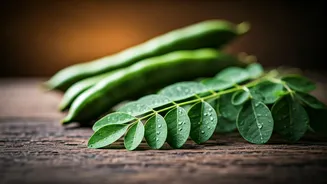
Before you can embrace the glow-up, it helps to know the source. Moringa oleifera, often called the “drumstick tree” or “miracle tree,” is a fast-growing, drought-resistant tree native to the Himalayan foothills in India. For centuries, its leaves, pods,
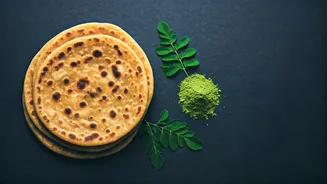
and seeds have been staples in traditional medicine and cuisine across Asia and Africa. In the U.S., you’re most likely to encounter it as a fine, vibrant green powder made from its dried and ground leaves. Think of its flavor profile as a cousin to matcha or spirulina, but with its own distinct personality. It’s earthy and slightly spinachy, with a hint of peppery bitterness, similar to arugula or watercress. This complex flavor profile means it can blend seamlessly into sweet smoothies or add a savory, nutritious kick to sauces and dressings without overpowering the dish.
The Nutritional 'Glow-Up'
The “glow-up” in the headline isn’t just clever marketing; it’s a nod to moringa’s astonishing nutritional density. The leaves are packed with vitamins and minerals. Gram for gram, moringa powder is a powerhouse, containing significant amounts of vitamin C (great for skin health and immunity), iron, vitamin A, calcium, and potassium. It’s also a rare plant-based source of complete protein, containing all nine essential amino acids, making it a valuable addition to vegan and vegetarian diets. Furthermore, moringa is loaded with antioxidants, such as quercetin and chlorogenic acid, which help combat oxidative stress in the body. While no single food is a silver bullet for health, incorporating nutrient-dense ingredients like moringa is a simple way to boost the overall nutritional value of your meals.
Why It’s Perfect for Summer
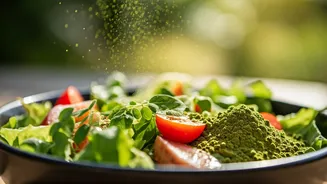
Moringa’s rise aligns perfectly with the modern wellness ethos: plant-based, minimally processed, and globally inspired. But its suitability for summer goes beyond trends. It’s an ingredient that requires zero cooking, making it ideal for hot days when you can’t bear to turn on the stove. Its fine powder form dissolves easily into cold liquids and batters, adding an effortless health boost without heat or hassle. The flavor also lends itself to the season. That slightly bitter, green taste is a refreshing counterpoint to sweet summer fruits in a smoothie and adds a sophisticated, earthy depth to a simple lemon-and-oil vinaigrette for your farmers' market salad. It’s a way to make light, fresh meals feel more substantial and nourishing.
How to Bring Moringa Home
Intrigued? Getting started with moringa is incredibly simple. A little goes a long way, so start with about half a teaspoon to a full teaspoon per serving and see how you like the taste. Here are a few foolproof ways to use it: * **Smoothies:** This is the easiest entry point. Add a teaspoon to any fruit or green smoothie. It pairs especially well with tropical flavors like mango, pineapple, and banana, which help balance its earthy notes. * **Dressings and Sauces:** Whisk it into vinaigrettes, yogurt-based dips, or even a pesto for a nutritional supercharge. A simple mix of moringa powder, olive oil, lemon juice, salt, and pepper makes a brilliant, vibrant dressing. * **Morning Boost:** Stir it into your morning oatmeal, yogurt, or even a glass of water with lemon for a quick jolt of vitamins to start your day. * **As a Finisher:** Just like you’d use fresh parsley or other herbs, you can sprinkle a little moringa over avocado toast, scrambled eggs, or roasted vegetables right before serving for a pop of color and nutrients.
A Smart Shopper's Guide
Not all moringa powders are created equal. When shopping, look for a product that is 100% pure moringa leaf powder. The color should be a bright, rich green, not brownish or dull, which can be a sign of older, less potent product. Opt for brands that are certified organic to ensure they are free from pesticides. Because moringa is often grown in regions that may have heavy metals in the soil, it's worth seeking out companies that are transparent about their sourcing and provide third-party testing results for purity and safety. You can typically find it in the supplement aisle of health food stores or from a variety of reputable online retailers.