






1. They Target Microclimates
Amateur travelers see a country's monsoon season on a calendar and write the whole place off. Pros know that weather is rarely monolithic. They dive into the details of microclimates and rain shadows. For example, during Thailand’s summer monsoon, when
Phuket and the Andaman coast are drenched, the Gulf coast islands like Koh Samui and Koh Phangan often remain relatively dry and sunny. Pro-level planning involves looking at regional weather patterns, not national ones. It means knowing that one side of a mountainous island can be getting daily downpours while the other is perfect for beachcombing. This strategic geographical targeting is the single biggest move that separates savvy travelers from the disappointed ones.
2. They Embrace Flexible Itineraries
Rigidity is the enemy of happy monsoon travel. Experienced travelers build their itineraries around flexibility. Instead of pre-booking a string of non-refundable flights, trains, and tours, they opt for refundable options or book transport just a day or two in advance. This allows them to adapt to changing conditions. If a ferry route is canceled due to rough seas or a multi-day trek becomes a muddy liability, they have a Plan B (and C) ready. This might mean having a list of potential indoor activities, like a cooking class, a museum visit, or a spa day, ready to deploy when a storm rolls in. The mindset is not about losing a day to rain; it's about swapping one type of experience for another.
3. They Pack for Humidity, Not Just Rain
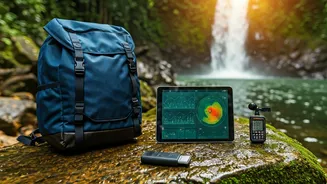
Packing a rain jacket is obvious. A pro's packing list goes much deeper. The real challenge of monsoon season is often the pervasive dampness and humidity that can make everything feel sticky and slow to dry. Their luggage contains multiple pairs of quick-drying synthetic clothing, not cotton, which holds moisture for days. They bring footwear designed for wet conditions—not just waterproof boots, but sandals or water shoes with excellent grip for slippery stone paths. Crucially, their tech is protected. This means using high-quality dry bags for phones and cameras, and even packing a few silica gel packets (the kind found in shoeboxes) to toss into their electronics bag to absorb ambient moisture overnight.
4. They Reframe Their Photographic Goals
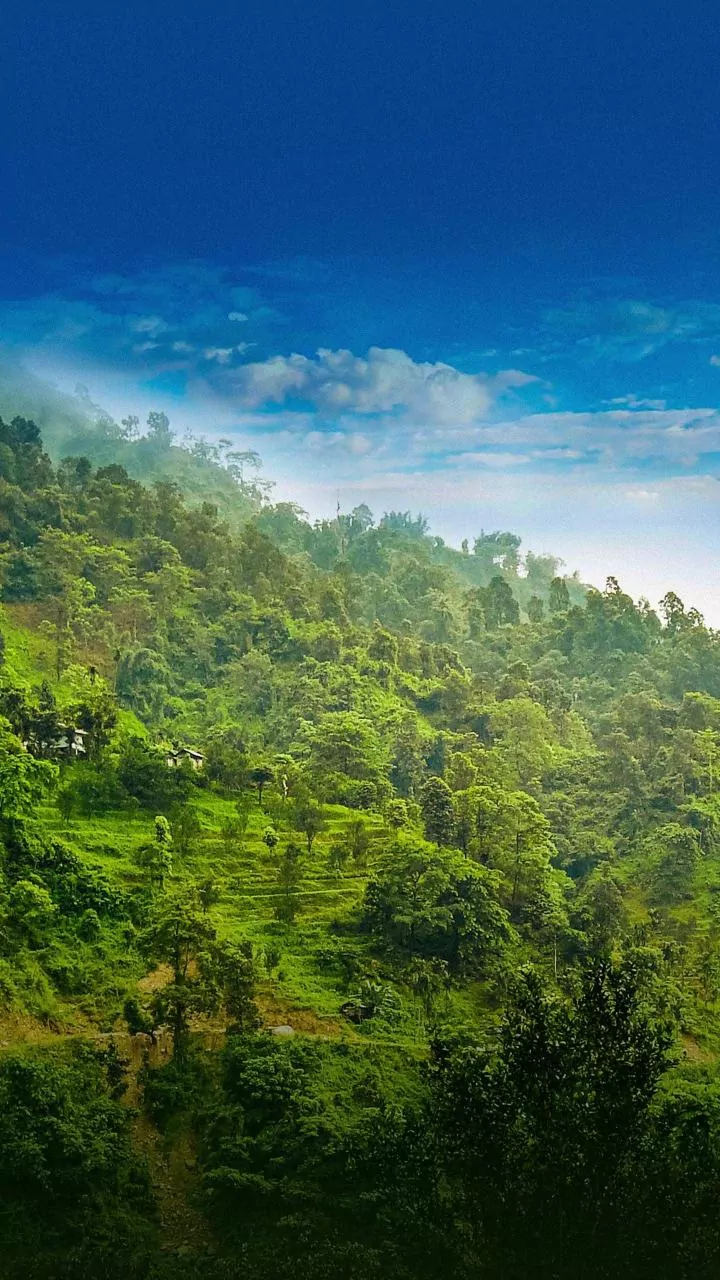
Travelers chasing the perfect golden-hour sunset on a white sand beach will likely be disappointed during a monsoon. Pro travelers adjust their photographic expectations and find beauty in the moody, dramatic conditions. They know that overcast skies create soft, diffused light that is excellent for portraits and capturing rich colors without harsh shadows. The rain brings out the vibrant greens of rice paddies and jungles, makes temple stones dark and dramatic, and creates compelling reflections on city streets. Instead of putting the camera away, they use the weather to their advantage, capturing the unique atmosphere of a place that most fair-weather tourists never get to see.
5. They Plan Activities *for* the Rain
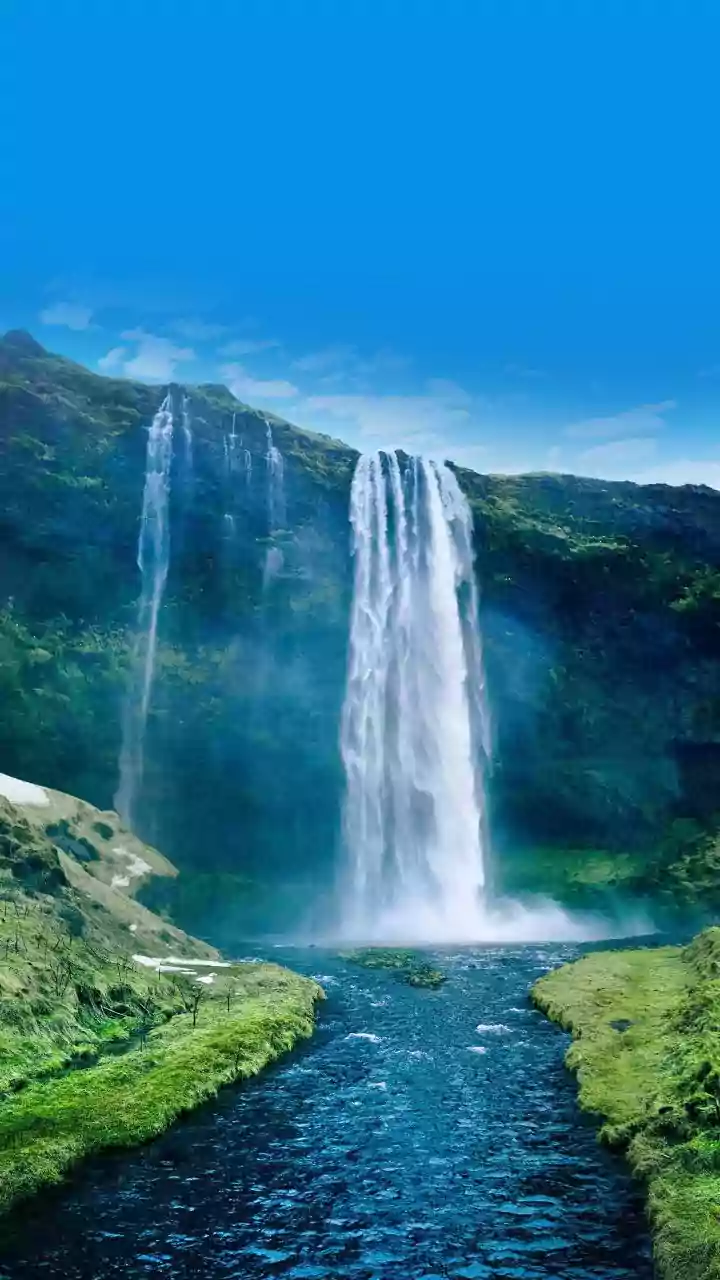
Instead of waiting for the rain to stop, seasoned monsoon travelers seek out activities that are actually enhanced by it. This is a fundamental shift in perspective. It means timing a visit to a waterfall for when it's at its most thunderous and spectacular, rather than the dry season's trickle. It’s about enjoying the cozy, intimate atmosphere of a local cafe with a book while the rain patters outside. They find a covered veranda with a stunning view and settle in to watch the storm pass. These travelers understand that the daily afternoon downpour isn't an interruption to their day; it’s a scheduled, predictable event that offers a natural moment to rest, recharge, and enjoy a slower pace of travel.
6. They Double Down on Health Prep
More water means more mosquitoes, and savvy travelers take that seriously. They are diligent about using insect repellent containing DEET or picaridin, especially during the dawn and dusk hours when mosquitos are most active. Their planning includes consulting a travel doctor or the CDC website for region-specific health advice well before departure, understanding the risks of mosquito-borne illnesses like dengue fever. They also know that wet conditions can mean slippery roads and trails, so they move with more caution. This practical, health-first approach ensures that a bit of rain doesn’t turn into a much bigger problem, allowing them to enjoy the adventure with peace of mind.