





First, What Is ‘Monsoon Eating’?
In countries like India, the arrival of the monsoon after a blistering summer is a celebrated relief. But with the rains come extreme humidity, a drop in temperature, and a sharp increase in waterborne pathogens. Our bodies react to this shift. According
to both traditional Ayurvedic wisdom and modern public health advice, digestion slows down, and the risk of infection skyrockets. ‘Monsoon eating’ is a set of dietary guidelines—part science, part tradition—designed to boost immunity and prevent the stomach ailments that are rampant during this season. It's less a diet and more a survival guide, focusing on light, warm, and easily digestible foods while steering clear of things that can harbor bacteria or tax your gut.
Rule #1: Be Skeptical of Raw Vegetables
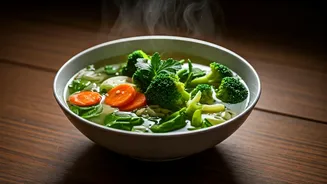
That beautiful, crisp salad is usually a health hero, but during the monsoon, it’s a potential villain. Leafy greens like spinach, lettuce, and cabbage grow low to the ground, where they can be easily contaminated by mud, grime, and bacteria splashed up by the rain. The dampness creates a perfect breeding ground for germs. Even with thorough washing, it’s tough to eliminate all the risks. The traditional advice is to switch to well-cooked vegetables. Roasting, steaming, or adding them to soups and stews not only kills off harmful microbes but also makes them easier for a sluggish ‘monsoon gut’ to digest. Think hearty lentil soups with squash, not cold kale salads.
Rule #2: Press Pause on Most Street Food
This one hurts, because for many, street food is the vibrant, beating heart of a city’s culinary scene. But during the monsoon, indulging in favorites like pani puri (golgappa) or fresh-cut fruit from a street cart is a gamble. The primary culprit is water. Many street food preparations use water that may not be properly filtered, making them a primary vehicle for diseases like cholera, typhoid, and dysentery. Furthermore, foods left out in the open, humid air are more susceptible to bacterial growth. If you must indulge, stick to vendors who are frying items fresh in front of you at blistering temperatures, as the heat can kill most pathogens.
Rule #3: Rethink Your Seafood Order
If you live by the coast, you might think fresh fish is always on the menu. However, the monsoon season is the breeding period for many types of fish and marine life. To preserve fish populations, fishing is often restricted, meaning the ‘fresh’ fish at the market might not be so fresh. More importantly, the runoff from cities and towns pollutes the coastal waters more heavily during the monsoon, increasing the risk that fish and shellfish are contaminated with toxins and bacteria. The general rule is to be extremely cautious with seafood. If you do eat it, ensure it's from a trusted source and cooked until piping hot.
Rule #4: Go Easy on the Dairy
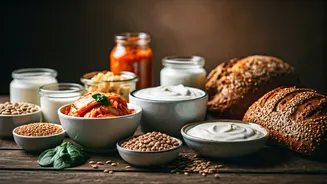
Ayurvedic tradition strongly advises reducing dairy intake during the rainy season. The reasoning is that dairy products like milk, cheese, and yogurt are considered heavy and can be difficult to digest. In the damp, humid climate of the monsoon, when your digestive fire (or ‘agni’) is thought to be weaker, heavy foods can lead to indigestion, bloating, and increased mucus production, potentially aggravating colds and coughs. Instead, many people switch to lighter alternatives or consume dairy in the form of buttermilk (chaas), which is often spiced with digestive aids like ginger and cumin and is considered much lighter on the system.
Rule #5: Embrace Warm and Spiced Drinks
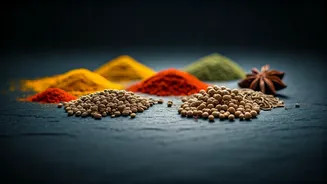
Staying hydrated is key, but chugging cold water isn't the recommended path. Cold drinks are believed to further dampen the digestive system. Instead, the focus shifts to warm liquids. Boiled and cooled water is a must to avoid contaminants. Beyond that, herbal teas infused with ginger, tulsi (holy basil), mint, and pepper are incredibly popular. These ingredients aren't just for flavor; they are known for their anti-inflammatory, antibacterial, and digestive-boosting properties. A warm cup of masala chai isn't just comforting on a rainy day—it's a delicious form of preventative medicine.