




The Power of Precision
Unlike workouts that rely on explosive repetition, Pilates is built on deliberate, precise movements. The goal isn't to burn yourself out with speed, but to perfect your form. Each exercise is designed to engage specific, often-neglected stabilizer muscles,
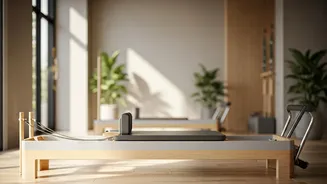
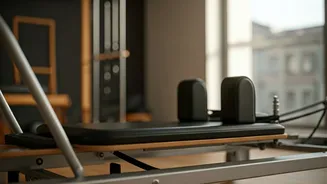
particularly those in your core—which in the Pilates world means everything from your shoulders to your hips. The practice was developed by Joseph Pilates during the early 20th century as a system he called “Contrology.” That name says it all. The focus is on controlling your body through its full range of motion, using your own body weight or the resistance of springs on a machine called a Reformer. This intense concentration is what makes it feel 'calm'; it's a moving meditation that pulls you out of your head and into your body, forcing you to be present.
Redefining 'Big Results'
When the headline promises “big results,” don’t just think of aesthetics. The true power of Pilates lies in functional strength. The most significant benefit is a dramatically stronger core. This isn't just about getting a six-pack; it’s about building a stable foundation that supports your entire body. A strong core can alleviate back pain, improve your balance, and make every other physical activity—from running to lifting groceries—feel easier and safer. Another major result is improved posture. By strengthening the deep muscles of your back and abdomen and increasing your body awareness, Pilates naturally encourages you to stand and sit taller. Over time, practitioners often report feeling longer and leaner, which is a result of this postural correction and the development of elongated, toned muscles rather than bulky ones.
Mind and Muscle in Harmony
The “calm” aspect of Pilates isn’t just about moving slowly; it’s about the profound mind-body connection the practice demands. Every movement is synchronized with your breath. This conscious breathing pattern helps oxygenate your muscles, deepen the engagement of your core, and soothe your nervous system. For many, a Pilates session is as much a mental workout as a physical one. The intense focus required to maintain proper alignment and control leaves little room for anxious thoughts or the day’s to-do list. This is why people often leave a class feeling not just stronger, but also centered and mentally refreshed. It’s a workout that reduces stress rather than adding to it, offering a sustainable path to fitness that won't lead to burnout.
Mat vs. Reformer: Which Is for You?
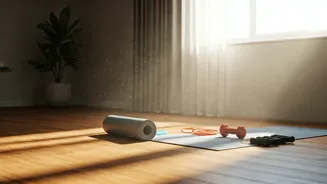
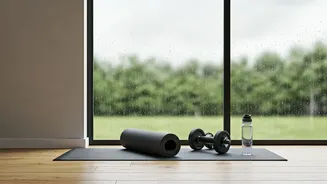
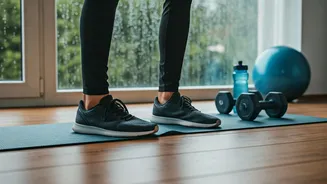
If you're looking to start, you'll encounter two main types of Pilates: Mat and Reformer. Mat Pilates is the most accessible; it uses your own body weight as resistance and sometimes small props like resistance bands or an exercise ball. It's a fantastic way to master the fundamentals of breath and control. The Reformer is a sliding carriage with straps and springs of varying tensions. It might look intimidating, but it’s incredibly versatile. The springs can provide either resistance to challenge you or assistance to support you, making it suitable for all fitness levels, including those recovering from injury. While Mat Pilates builds deep strength from the ground up, the Reformer adds a different dimension of challenge and can help you achieve a greater range of motion. Many people benefit from practicing both.