





Shortcut: Labeling Foods 'Good' or 'Bad'
For years, wellness culture has operated on a simple binary: kale is 'good,' cookies are 'bad.' This moralizing of food is perhaps the most pervasive and damaging shortcut of all. Registered dietitians (RDs) argue that this mindset creates cycles of guilt,
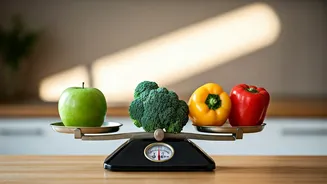
restriction, and shame. When you label a food 'bad' and then eat it, you feel like you’ve failed, which can lead to giving up entirely or over-indulging out of a sense of defeat. The professional consensus is shifting hard toward a non-judgmental approach. No single food will make or break your health. A cookie isn’t a moral failing; it’s just a cookie. The real goal is to build a dietary pattern that is nourishing and sustainable most of the time. It’s about balance, not perfection. An apple is more nutrient-dense than a potato chip, but both can fit into a healthy life. The new advice is to zoom out and focus on the big picture: Are you eating a variety of fruits and vegetables? Getting enough protein and fiber? Enjoying your meals without anxiety? That’s where true health is found.
Shortcut: Believing in 'Detoxes' and 'Cleanses'
The promise of a 'detox' is seductive: a few days of drinking expensive juice or tea to 'cleanse' your system of toxins and reset your body. It sounds like a quick and easy solution, especially after a period of indulgence. The problem? It’s biological nonsense. Nutrition experts are quick to point out that your body already has a highly efficient, built-in detoxification system: your liver and kidneys. These organs work 24/7 to filter waste and remove harmful substances from your body. There is no scientific evidence that any juice cleanse, tea, or supplement improves this natural process. In fact, many cleanses are extremely low in calories, protein, and fiber, leaving you feeling tired, hungry, and irritable. Instead of buying into the detox myth, RDs advise supporting your body's natural systems. You can do this by staying hydrated, eating fiber-rich foods (which help with digestion and elimination), and consuming a diet rich in antioxidants from fruits and vegetables. In other words, the best 'detox' is simply a consistent, nourishing diet.
Shortcut: Obsessing Over One Superfood
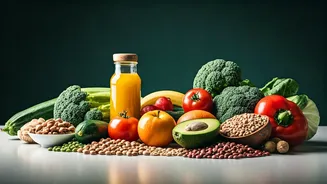
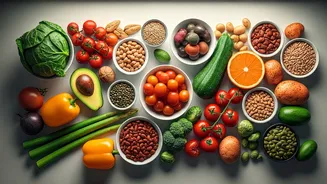
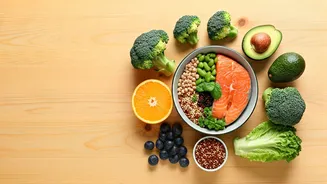
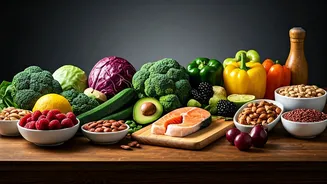
Every year, a new 'superfood' seems to be crowned the savior of our health—from acai and goji berries to kale and turmeric. While these foods are certainly nutritious, the idea that one single ingredient holds the key to wellness is a classic marketing-driven shortcut. Nutrition professionals are frustrated by this trend because it distracts from the most important principle of healthy eating: dietary diversity. No single food contains all the nutrients your body needs. Relying on one 'superfood' can lead to a narrow, repetitive diet that misses out on the wide range of vitamins, minerals, and phytonutrients found across different food groups. A diet with blueberries but no leafy greens, or lots of salmon but no beans, is incomplete. The expert-backed approach is to 'eat the rainbow.' Instead of chasing the latest trendy ingredient, focus on incorporating a wide variety of colorful fruits, vegetables, whole grains, lean proteins, and healthy fats into your meals. A diverse plate is far more powerful than any single superfood.
Shortcut: Thinking All Calories Are Equal
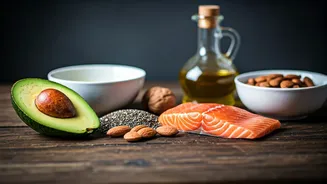
The old mantra of 'calories in, calories out' is a perfect example of a lazy shortcut. While the total number of calories you consume does impact your weight, the idea that a 200-calorie snack of almonds is identical to 200 calories of soda is fundamentally flawed. Nutritionists are moving the conversation beyond simple calorie counting to focus on nutrient density and food quality. Your body processes different foods in different ways. The 200 calories from almonds come packed with protein, fiber, and healthy fats, which promote satiety and keep you feeling full and energized. The 200 calories from soda are pure sugar, which can cause a rapid spike and crash in blood sugar, leaving you hungry again soon after. Focusing solely on a calorie number ignores crucial factors like hormonal response, micronutrient content, and how food impacts your hunger and energy levels. The smarter, more sustainable approach is to prioritize whole, unprocessed foods that nourish your body, rather than getting trapped in the math of calorie arithmetic.