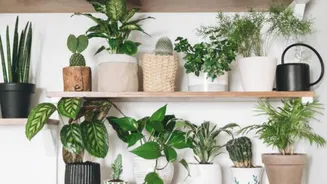



1. The Aromatic Pick-Me-Up: Mint
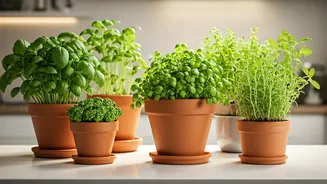
If you could bottle the essence of 'fresh,' it would probably smell like mint. This incredibly vigorous herb is the perfect starting point for any indoor garden. Its clean, sharp scent actively cuts through stale or lingering cooking odors, replacing
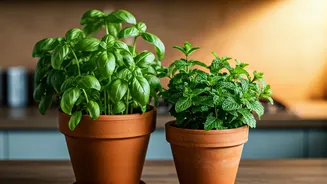
them with an invigorating aroma. Simply brushing your hand against the leaves as you pass by is enough to release a wave of fragrance. Peppermint and spearmint are the most common choices, both known for their potent scent. Mint is famously easy to grow—in fact, its biggest challenge is that it grows too well, so keeping it in its own pot is a must. It tolerates a range of light conditions, making it forgiving for apartment dwellers who don't have a perfectly sun-drenched spot. Keep the soil moist, and you'll have a steady supply for tea, infused water, or just a burst of natural freshness.
2. The Italian Summer Scent: Basil
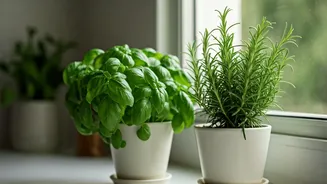
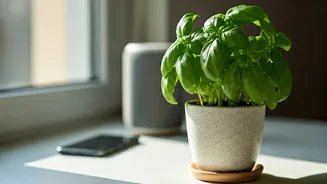
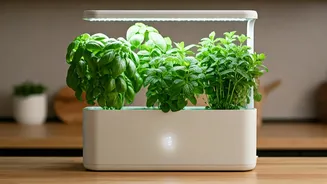
Nothing says 'fresh kitchen' quite like the sweet, peppery smell of basil. This herb is the heart of pesto and countless Italian dishes, and its aroma is deeply tied to the feeling of a vibrant, well-used kitchen. A healthy basil plant is a beautiful sight, with lush, bright green leaves that can make even a tiny countertop feel more alive and abundant. The scent isn’t as overpowering as mint, but it provides a constant, gentle fragrance that’s both welcoming and appetizing. Basil loves sunshine, so it will be happiest in your brightest window (a south-facing one is ideal). It prefers to be watered at its base and doesn’t like its leaves to stay wet. By keeping a pot on your counter, you not only improve the air but also ensure you have instant access to leaves that will elevate any pasta, salad, or sandwich.
3. The Earthy Deodorizer: Rosemary
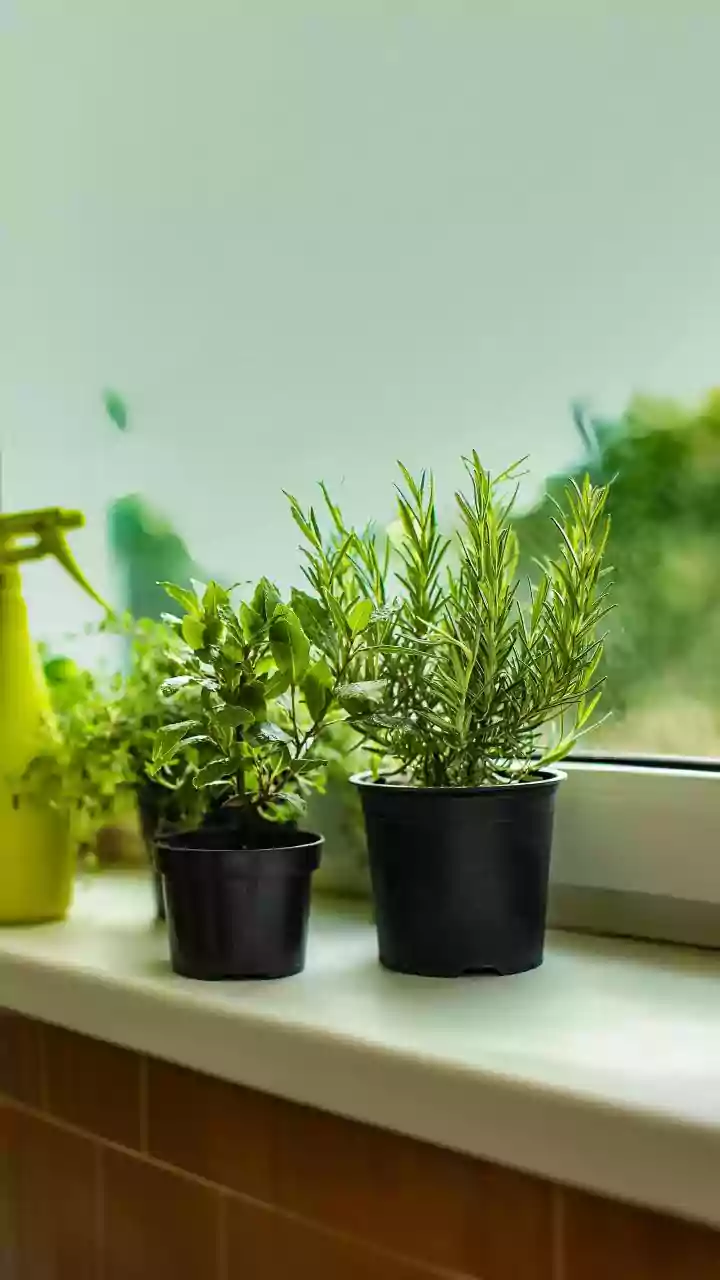
With its pine-like, woody fragrance, rosemary is a powerhouse for neutralizing stronger, more unpleasant smells. It’s particularly effective against greasy cooking odors. Unlike the soft leaves of basil or mint, rosemary grows on woody stems with needle-like leaves, resembling a miniature evergreen. This structure adds a different visual texture to your space, bringing a touch of rustic, Mediterranean charm. Its robust scent is released when the plant is touched or when the air circulates around it. Rosemary thrives on neglect more than attention; it loves sun and hates being overwatered. Let the soil dry out completely between waterings. It’s a hardy plant that, once established, provides a sophisticated, natural scent that feels both clean and grounding.
4. The Citrusy Mood-Booster: Lemon Balm
For a scent that’s purely cheerful, look no further than lemon balm. A member of the mint family, this herb has a delightful, light citrus fragrance that can make any room feel brighter and cleaner. It’s not as sharp as a real lemon, but rather a soft, sweet, and zesty aroma that’s known in aromatherapy for its calming and mood-lifting properties. Its crinkly, heart-shaped leaves are a lovely shade of green, and like its mint cousin, it’s exceptionally easy to grow. It can handle less-than-perfect light and bounces back quickly if you forget to water it. Crushing a single leaf between your fingers releases an instant puff of citrusy perfume. It’s perfect for spaces where you want a consistently fresh scent without the heavy perfume of a commercial air freshener.
5. The Subtle & Green Scent: Parsley
While not a fragrance powerhouse like rosemary or mint, parsley offers something equally valuable: the pure, unmistakable scent of 'green.' Its clean, slightly peppery smell contributes to an overall feeling of freshness and vitality. It works visually, too. The vibrant, dense curls of curly parsley or the delicate flat leaves of its Italian cousin can make a small kitchen feel like a tiny, thriving garden. It’s the visual equivalent of opening a window on a spring day. Parsley enjoys bright, indirect light and consistently moist soil. Having a pot of it on the sill not only adds to the fresh feeling but also gives you a versatile garnish that can brighten up the flavor and appearance of nearly any dish.
Your windowsill garden setup
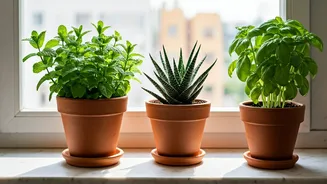
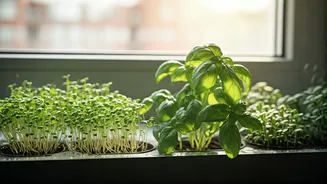
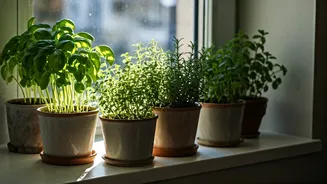
You don't need a green thumb to get started. All these herbs can thrive in small pots (4-6 inches is a great start). Just ensure your pots have drainage holes at the bottom to prevent root rot. Use a quality potting mix, not garden soil, as it's lighter and better for container plants. Most herbs need at least 4-6 hours of sunlight per day, so find your sunniest windowsill and make it their home. The biggest mistake beginners make is overwatering. A good rule of thumb is to stick your finger about an inch into the soil; if it feels dry, it's time to water.