






Nature’s Premium Blend
We spend our days dutifully filling watering cans from the kitchen sink, assuming water is water. But for plants, the difference between tap water and rainwater is like the difference between a serviceable weeknight meal and a Michelin-starred tasting
menu. Tap water is treated for human consumption, meaning it's often slightly alkaline and contains chlorine, fluoride, and dissolved minerals that can build up in soil over time, stressing sensitive plants. Rainwater, on the other hand, is nature’s perfect recipe: it’s soft, slightly acidic, and free from the additives our houseplants merely tolerate. It arrives oxygenated and at a gentle ambient temperature, avoiding the shock that ice-cold tap water can sometimes cause to root systems.
The Free Fertilizer Effect
Here's the biggest part of the plot twist: summer rain contains nitrogen, a crucial nutrient for lush, green foliage. Our atmosphere is nearly 80% nitrogen, but in a gaseous form that plants can't use. The magic happens during a storm. The immense energy of lightning strikes breaks apart atmospheric nitrogen molecules, allowing them to mix with oxygen and fall to the earth in rainwater as nitrates. This is a form of nitrogen that plant roots can absorb directly. Essentially, a thunderstorm doesn't just water your plants—it fertilizes them. This is why your lawn, garden, and houseplants often look noticeably greener and more vibrant after a good, cleansing storm. It’s a free, perfectly diluted dose of the nutrient you’d otherwise have to buy in a bottle.
Unlocking Soil Nutrients
The benefits don’t stop there. Rainwater is naturally slightly acidic, with a pH typically between 5.5 and 6.5. This is the exact range at which most plants are best able to absorb nutrients from the soil. Many municipal water sources are treated to be more alkaline to protect pipes from corrosion. When you consistently use alkaline tap water, it can slowly raise the pH of your potting soil, effectively “locking up” essential micronutrients like iron, manganese, and zinc, even if they are present in the soil. The gentle acidity of rainwater helps to dissolve these minerals, making them available to the plant’s roots. It essentially flushes out the salt and mineral buildup from tap water and resets the soil, allowing your plants to feast on the nutrients already there.
How to Harness the Rain
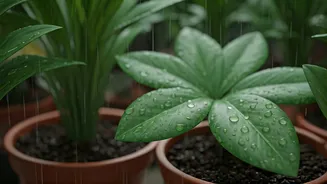
Ready to turn your home into a plant spa during the next downpour? If you have a patio, balcony, or yard, move your hardy houseplants outside for a shower. They'll appreciate the drenching, which also cleans dust off their leaves, improving their ability to photosynthesize. Just ensure they have good drainage so they aren't left sitting in a puddle. For apartment dwellers or long-term use, collecting rainwater is the next best thing. You can place a few buckets on a balcony or fire escape, or get more serious with a rain barrel connected to a downspout. Store the collected water in covered containers to prevent mosquito breeding. Use this “liquid gold” to water your most sensitive plants first—orchids, ferns, and carnivorous plants will especially thank you for ditching the tap water for good.