





From Chore to Cherished Ritual
For decades, the dog walk was a functional, if sometimes begrudging, necessity. A quick loop before work, a final trip out before bed. But a significant cultural shift is underway, accelerated by the pandemic-era pet boom. As millions of Americans welcomed
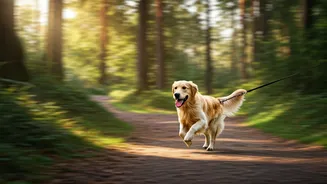
new canine companions, they also embraced a deeper, more integrated relationship with them. The concept of the “fur baby” isn’t just a cutesy term anymore; it’s a lifestyle choice that’s reshaping our leisure time. This new generation of pet owners, often millennials and Gen Z, view their dogs as full-fledged family members who deserve enriching experiences, not just a patch of grass. The walk has transformed from a simple biological necessity for the dog into a shared opportunity for bonding, exploration, and mental stimulation for both human and animal.
The Rise of the Canine-First Economy
This isn't just a grassroots movement happening in city parks. A whole ecosystem has sprung up to support the dog-centric weekend. Breweries proudly advertise “Pups on the Patio” nights. Cafes set out water bowls and offer “puppuccinos.” Boutique hotels highlight their pet-friendly amenities not as an afterthought, but as a primary draw. Apps like BringFido and Sniffspot allow owners to meticulously plan trips, finding everything from dog-welcoming restaurant patios to private, rentable dog parks. This commercial embrace validates the trend, making it easier than ever to build a Saturday around your dog’s enjoyment. The question is no longer *if* you can take your dog, but *where* the two of you will go on your next adventure.
How to Build Your Weekend Itinerary
Turning a walk into an itinerary is all about intention. Start by thinking in chapters. Chapter one might be a scenic hike on a new trail. Instead of turning back, your route leads to chapter two: a planned stop at a dog-friendly brewery or cafe for refreshments. Chapter three could be a relaxed stroll through a pet-friendly outdoor market or shopping district before heading home. The key is planning. Check business policies online or by phone before you go. Map your route to include shady spots and grassy areas for breaks. Consider your dog's endurance; a low-energy bulldog’s ideal itinerary looks very different from a border collie’s. The goal is a seamless, enjoyable experience, not a stressful, chaotic rush from one place to the next.
Packing for the Perfect Day Out
A great dog-venture requires a little preparation. Think of it as packing a canine diaper bag. The essentials are non-negotiable: plenty of fresh water and a collapsible bowl are paramount, especially in warm weather. Pack more poop bags than you think you’ll need—it’s the cardinal rule of responsible dog ownership. High-value treats can help keep your dog’s focus in a busy environment. A comfortable harness is often better for long walks than a standard collar, as it prevents strain on the neck. Depending on the terrain and weather, you might also consider paw protection wax or booties and a dog-friendly first-aid kit. Having these items on hand means you can handle minor issues without cutting the adventure short.
Know When to Call It a Day
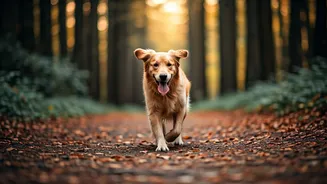
While it’s fun to plan an epic outing, the most important part of the day is reading your dog’s signals. A successful trip is one that your dog actually enjoys. Watch for signs of stress or overstimulation, such as excessive panting (when not hot), yawning, lip licking, or a tucked tail. Not every dog is a social butterfly destined for a crowded patio. Some prefer the quiet solitude of a wooded trail. If your dog seems tired, overwhelmed, or just plain done, respect that. The beauty of these itineraries is their flexibility. It's okay to skip the last stop and head home for a well-deserved nap on the couch. After all, the entire point is to strengthen your bond and make happy memories together, not to tick boxes off a checklist.