




An Antidote to Overtourism
First, let's define the movement. A 'green monsoon' trip means intentionally visiting a destination during its rainy season. For years, travel agents and guidebooks have warned us away from these periods, citing washed-out roads and ruined beach days.
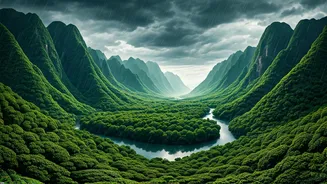
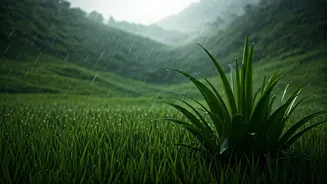
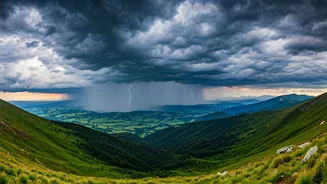
But a new generation of travelers is discovering the opposite: the 'green season' is often when a destination is at its most vibrant, authentic, and serene. It's a conscious choice to trade scorching sun and shoulder-to-shoulder crowds for moody skies, the scent of petrichor (the smell of rain on dry earth), and landscapes saturated in a thousand shades of green. This aesthetic is less about chasing perfect weather and more about embracing a place in its most dramatic, natural state. It’s also a practical response to overtourism and soaring peak-season prices, offering a more sustainable and affordable way to see the world.
Costa Rica: The Emerald Season
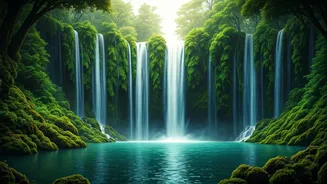
While many tourists flock to Costa Rica during its dry season (December to April), the rainy or 'green' season (May to November) is when the country truly earns its reputation as an ecological paradise. The daily afternoon showers are predictable, often lasting just a few hours, but their effect is transformative. The rainforest canopy becomes impossibly lush, rivers and waterfalls swell to spectacular volumes, and the air is cleared of dust. For wildlife lovers, it’s a prime opportunity. Sea turtles arrive for nesting season on both coasts, and the cloud forests of Monteverde are alive with the sounds of birds and monkeys. You’ll find fewer people on the trails, more attentive tour guides, and significantly lower prices on accommodation, making it the perfect time to experience 'pura vida' without the crowds.
Kerala, India: Mystical Backwaters and Ayurveda
In the South Indian state of Kerala, the monsoon isn't just a weather pattern; it's a cultural event. From June to September, heavy rains rejuvenate the landscape, turning the famous backwaters into a labyrinth of glistening canals and the tea plantations of Munnar into a misty, ethereal dreamscape. The cooling rains provide a dramatic backdrop for exploring ancient temples and spice gardens. Furthermore, according to the ancient principles of Ayurveda, the monsoon is the ideal time for wellness treatments. The moist, cool, and dust-free atmosphere is believed to open the body’s pores, making it more receptive to herbal oils and therapies. Instead of fighting the rain, Keralites celebrate it, and visiting during this time offers a deeply atmospheric and restorative experience.
Northern Thailand: Waterfalls and Rice Paddies
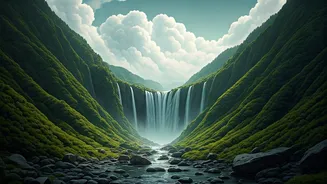
When people think of Thailand's rainy season, they often picture flooded beaches in the south. But in the country's northern region, around cities like Chiang Mai and Chiang Rai, the monsoon (roughly July to October) is a period of breathtaking beauty. This is when the terraced rice paddies are at their most verdant, creating a patchwork of brilliant green across the rolling hills. The rain feeds the region's many waterfalls, which are often just a trickle in the dry season but become thunderous attractions during the monsoon. It's the perfect time for trekking through lush national parks, visiting serene temples shrouded in mist, and enjoying the region's famous cuisine in a cozy café while the rain patters outside. The tourist throngs of peak season are gone, replaced by a slower, more contemplative pace of life.
The Pacific Northwest, USA: A Domestic Version
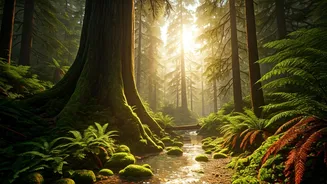
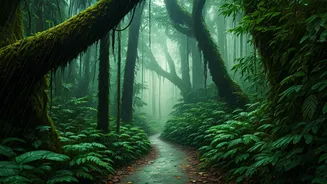
You don't need a passport to chase this aesthetic. The Pacific Northwest offers a perfect domestic alternative, particularly outside the peak summer months. Visiting Washington's Olympic National Park or Oregon's coastline in the spring or fall means embracing the region's signature drizzle—and being rewarded for it. The Hoh Rainforest, a temperate rainforest, is never more magical than when it's dripping with moisture, with moss hanging from ancient trees like green velvet. The dramatic, rocky coastline is best viewed under moody, overcast skies, with waves crashing against sea stacks. Instead of fighting for a parking spot at a sunny viewpoint, you can have a misty trail or a fog-shrouded beach almost to yourself. It's a reminder that 'bad weather' is often just the ticket for a truly memorable adventure.