





Why Is Getting a Visa So Hard Right Now?
The current chaos is a perfect storm of post-pandemic factors. First, there's the unprecedented surge in “revenge travel.” After years of restrictions, everyone wants to go to Europe, leading to a massive spike in visa applications. At the same time,
many European embassies and consulates in the U.S. are still operating with reduced staff, a hangover from pandemic-era cutbacks. This mismatch of soaring demand and limited processing capacity has created a severe bottleneck. Consular offices that were once able to process applications in a few weeks are now facing backlogs stretching for months, leaving travelers in a state of anxious limbo.
The Agony of the Appointment Scramble
The first and often highest hurdle is simply securing an appointment. Most Schengen countries outsource the initial application and biometric collection to third-party companies like VFS Global or TLScontact. Their websites have become the digital equivalent of a Black Friday doorbuster sale. Available slots are rare, often appearing randomly and getting snapped up within seconds. Hopeful travelers find themselves refreshing pages at all hours, competing with bots and other desperate applicants. This scarcity has created a secondary market for agents who charge exorbitant fees to book appointments, a practice consulates officially discourage but struggle to control. The frustration is palpable: you can’t even begin the stressful application process until you win the appointment lottery.
Navigating the Paperwork Minefield
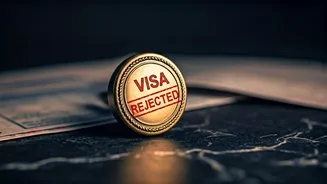
Once you have an appointment, the real work begins. Schengen visa applications are notoriously exacting. You'll need a valid passport, proof of travel insurance, confirmed flight and hotel bookings, a detailed day-by-day itinerary, and evidence of sufficient funds. The slightest error can lead to an outright rejection. A flight confirmation that doesn't exactly match your itinerary, a bank statement that’s a day too old, or a passport photo that doesn’t meet the hyper-specific requirements—any of these can derail your application. Consular officers have little room for discretion; their job is to enforce the rules strictly. For applicants, this means every single document must be flawless, adding yet another layer of pressure to an already fraught process.
Pro Tips for Surviving the Process
While the situation is grim, it's not entirely hopeless. The key is to be strategic and start early—far earlier than you think. If your trip is in six months, start looking for visa appointments now. When booking flights and accommodations, prioritize fully refundable or flexible options, as your travel dates may be dictated by your visa approval timeline. Be prepared to travel to a different city for your visa appointment if a slot opens up. Some travelers also try applying through a less-in-demand Schengen country (the country of your first or longest stay), but be careful: you must have a legitimate travel plan to that country to avoid being accused of “visa shopping,” which can lead to rejection. Finally, read the instructions on the consulate’s website ten times. Create a checklist and tick off every single requirement meticulously.
Is There Any Relief in Sight?
The European Union is aware of the problem. A long-term solution is in the works: a new, fully digital Schengen visa platform set to launch in the coming years. The goal is to replace the in-person appointment and physical visa sticker with a single online portal. This should, in theory, streamline the process, reduce paperwork, and make things more efficient for both applicants and consulates. However, the rollout will be gradual, and it won't solve the immediate backlog. For travelers planning trips in the near future, the current stressful reality is the one they must navigate. The digitalization offers a glimmer of hope on the horizon, but for now, patience and persistence are your most valuable travel accessories.