


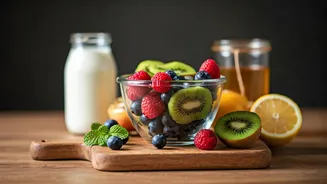
The Power of Total Ingredient Control
The single greatest advantage of a freshly cooked meal is that you are the quality-control manager. Restaurant and pre-packaged foods are designed for shelf-stability, consistency, and crave-ability, which often means including ingredients you’d never
add in your own kitchen. These can include high amounts of sodium, refined sugars, unhealthy fats, and a long list of emulsifiers and preservatives. When you cook from scratch, you sidestep this entire industrial complex. You choose the oil. You control the salt. You decide if sugar is necessary at all. This transparency is foundational to gut health. You’re not just eating food; you’re consuming a list of ingredients you can actually pronounce and approve, which is a powerful first step in creating a gut-friendly environment.
Maximizing Nutrients and Fiber
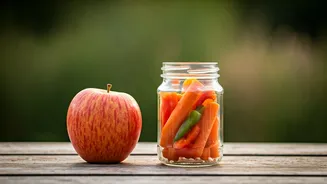
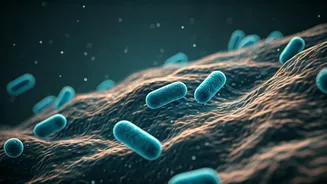
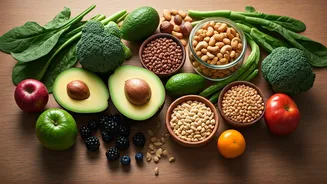
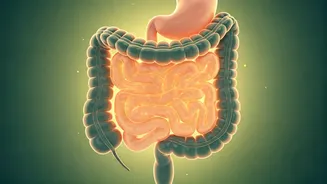
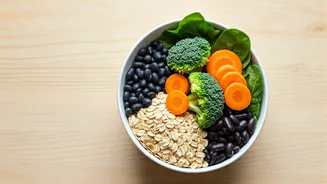
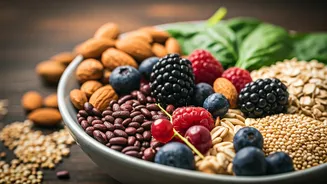
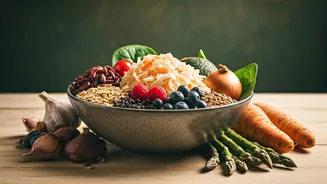
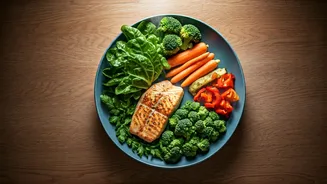
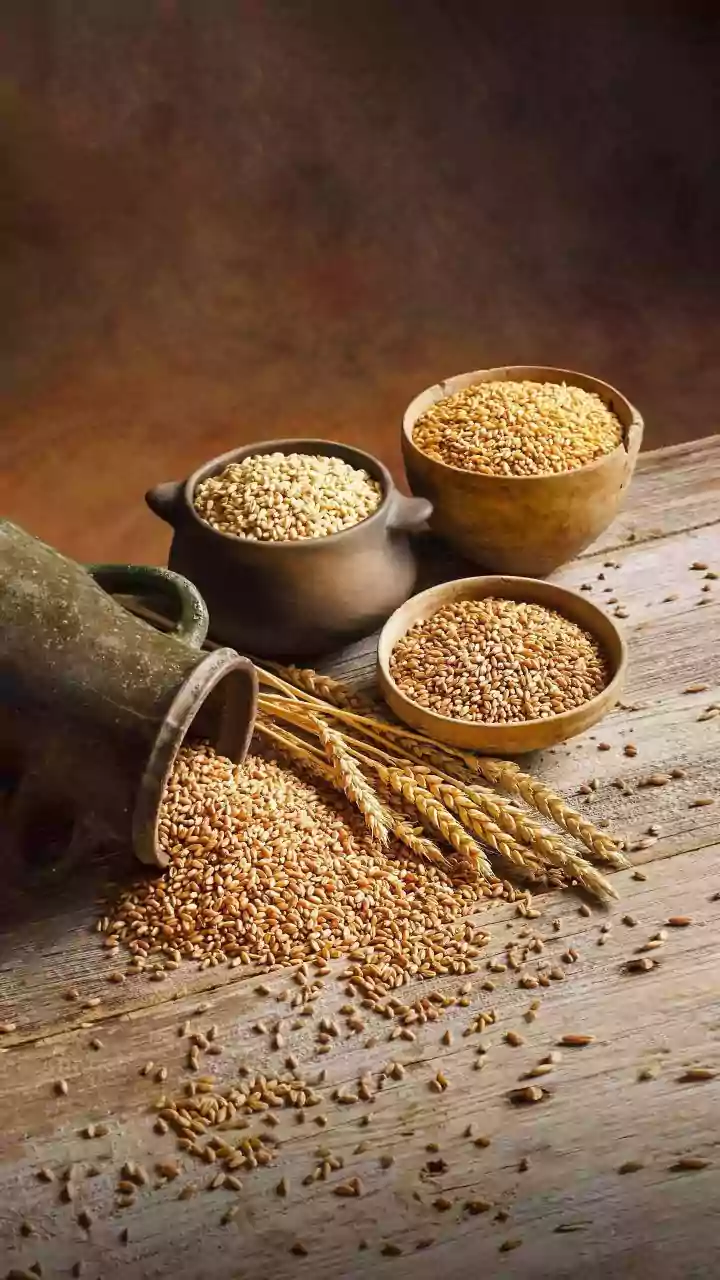
Your gut microbiome—the trillions of bacteria living in your digestive tract—doesn’t just want calories; it wants variety and, most importantly, fiber. Fresh vegetables, fruits, legumes, and whole grains are packed with prebiotic fibers, which are indigestible by you but are the primary food source for your beneficial gut bacteria. When you cook at home using fresh produce, you’re serving your microbiome a feast. The process of shipping, processing, and preserving foods can degrade these delicate fibers and other vital nutrients, like water-soluble vitamins. A salad made from greens you just washed or vegetables you quickly steamed retains a level of nutrient vitality that a pre-made meal sitting in a plastic container for days simply cannot match. This fresh fiber intake is directly linked to a more diverse and resilient gut ecosystem, which is a cornerstone of overall health.
Avoiding the Hidden Gut Disruptors
It’s not just about what you’re adding; it’s about what you’re avoiding. Ultra-processed foods (UPFs) are a hallmark of the modern American diet, and they often contain additives that may disrupt gut function. Emulsifiers like polysorbate 80 and carboxymethylcellulose, used to improve texture and prevent separation in products from ice cream to bread, have been shown in some studies to alter gut bacteria and potentially erode the protective mucus layer of the intestine. Artificial sweeteners, while calorie-free, can also negatively impact the balance of gut microbes in some individuals. When you prepare a meal from single-ingredient foods—an onion, a carrot, a piece of chicken, a cup of lentils—you are naturally eliminating dozens of these potentially problematic industrial compounds. This act of omission is just as important as the act of adding healthy ingredients.
The Nuance of Leftovers and Meal Prep
Does this mean leftovers are off the table? Not at all. The “freshly cooked” rule is more about the origin of the meal than the exact minute it’s eaten. A home-cooked chili or stew that you prepared on Sunday is still a world apart from a highly processed frozen dinner. In fact, some foods, like cooked and cooled potatoes or rice, develop something called resistant starch, another type of prebiotic that’s excellent for your gut bacteria. The key is that the meal was *originally* made from fresh, whole-food ingredients under your control. While the peak of nutritional value is right after cooking, well-stored leftovers from a home-cooked meal remain a vastly superior option to grabbing a convenient but industrially formulated alternative. Think of it as a spectrum: a freshly made meal is best, a home-cooked leftover is great, and a hyper-processed product is a distant third.