


The Age of the Untouchable Room
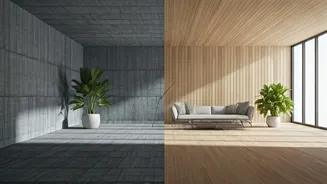
Remember the ‘showpiece’ era? It was defined by spaces that felt more like art installations than living quarters. Think of the all-white living room with a single, sculptural armchair you’d be afraid to sit in, or the minimalist kitchen with counters
so clear you’d question if anyone ever made toast, let alone a family dinner. This aesthetic was fueled by the rise of social media, particularly Pinterest and Instagram, where a single, striking image is king. The pressure was on to create a home that was photogenic, a backdrop for a curated life. Furniture was chosen for its lines, not its comfort. Rugs were selected for their pattern, not their feel underfoot. Every object had to be a ‘statement piece,’ which often resulted in a home that made a statement but offered little solace. These were rooms designed for an audience, leaving the actual residents feeling like curators of a museum they weren't allowed to touch.
A Collective Craving for Comfort
So, what changed? In short, everything. The pandemic was a major catalyst, forcing us to live, work, and decompress within the same four walls. Our homes had to become functional sanctuaries, not just static backdrops. The stiff, formal living room suddenly seemed absurd when what we really needed was a comfortable sofa for movie nights and a corner for a makeshift office. This intense period of domesticity highlighted the difference between a house that *looks* good and a home that *feels* good. Beyond that, there's a wider cultural exhaustion at play. We're tired of the pressure to perform, to present a perfect, filtered version of our lives. This fatigue has extended to our living spaces. The desire for a calmer, more functional home is a quiet rebellion against the tyranny of the algorithm and a return to designing for our own well-being, not for a theoretical audience of online strangers.
What a 'Calmer Layout' Looks Like
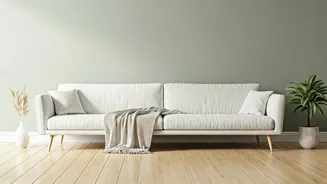
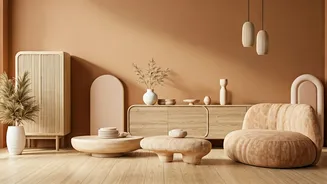
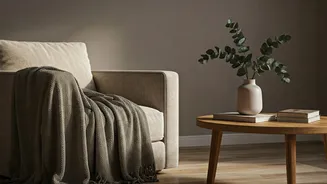
A calmer layout isn't about abandoning style; it's about making style serve life. It prioritizes flow, function, and feeling over rigid formality. Instead of a living room oriented around a television or a single, imposing piece of art, furniture is arranged to encourage conversation. You’ll see plush, inviting sofas, deep armchairs, and plenty of soft textures like wool, linen, and bouclé. It embraces what was once seen as clutter, now reframed as personality. A stack of books on a side table, a collection of personal photos on a shelf, or a favorite mug left on the coffee table are no longer imperfections to be hidden but signs of life. This approach is less about following a strict aesthetic like minimalism or maximalism and more about creating a personal blend. It’s ‘soft minimalism’—uncluttered but warm. It’s ‘thoughtful mess’—organized but accessible. The focus is on creating zones for living: a cozy reading nook, a functional entryway, a dining table that’s actually used for dining.
Designing for You, Not for 'Likes'
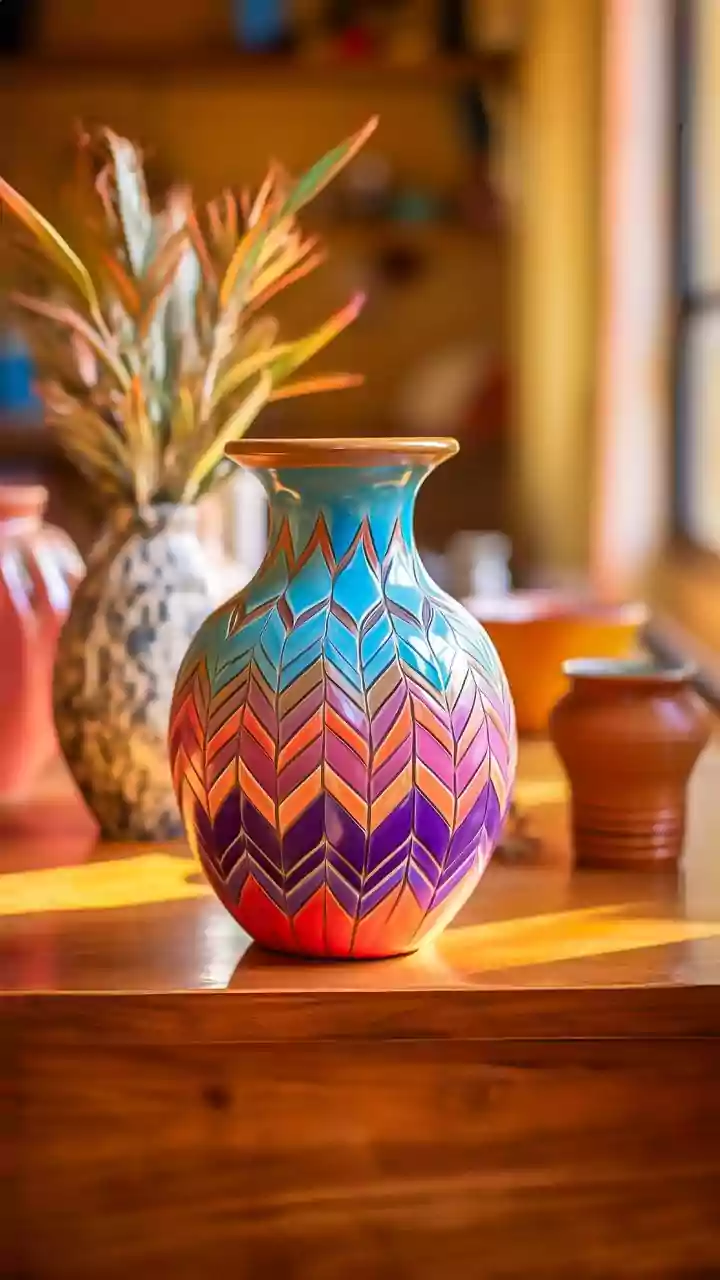
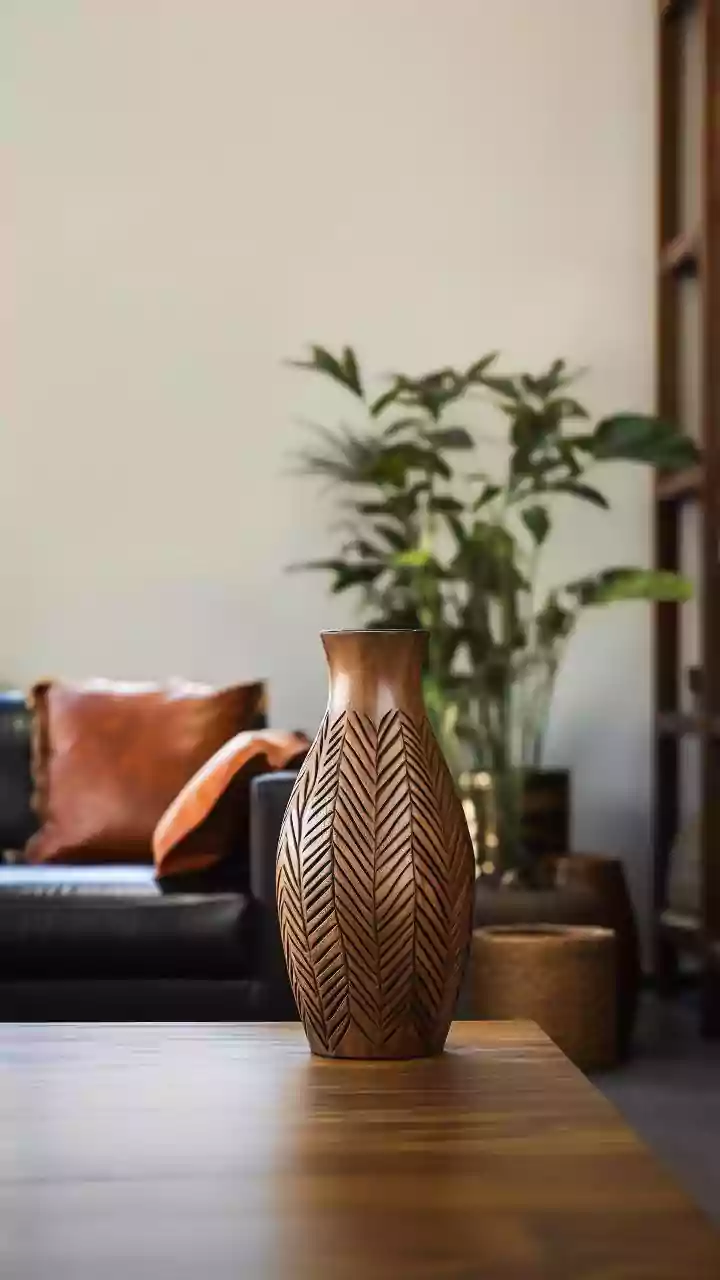
This movement is fundamentally about reclaiming your home as your own. It doesn't mean you have to get rid of your beautiful objects or that you can't have a showpiece. The difference is intention. That stunning vase is there because you love looking at it every day, not because it will pop in a photo. That vintage armchair is a centerpiece because it’s the most comfortable seat in the house, not just because of its iconic shape. The shift is from aesthetics-first to livability-first. It’s about asking different questions during the design process. Instead of ‘How will this look?’, we’re asking, ‘How will this make me feel?’ and ‘How will this improve my daily life?’ The goal is to build a layered, personal environment that tells the story of the people who live there—their hobbies, their travels, their memories. A truly beautiful home is one that supports and reflects the life lived within it, not one that demands its inhabitants live up to its own pristine image.