
1. A Playground for the Senses
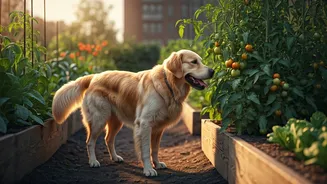
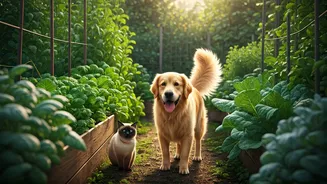
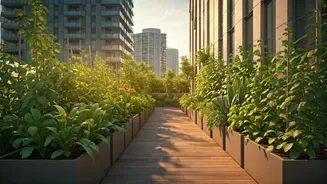
For a dog whose world is defined by scent or a cat cautiously observing its territory, a typical city block can be a mix of overwhelming and monotonous. Urban farms offer a powerful antidote: sensory enrichment. Unlike a sterile sidewalk, a garden plot
is a complex tapestry of smells. There's the earthy aroma of fresh soil, the distinct scents of dozens of different plants from mint to basil, and the intriguing trails left by squirrels and birds. This stimulation is crucial for a pet's mental health. It engages their natural instincts, prevents boredom, and provides a low-stress form of mental exercise. A dog sniffing its way through a row of lavender is not just passing time; it's reading a rich, detailed story that its home environment can't provide.
2. Access to Safe, Edible Greenery
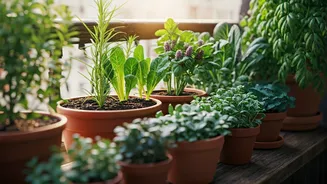
Many city pets, especially cats, instinctively seek out greens to aid digestion. Unfortunately, a walk in the park might expose them to pesticides or toxic plants. Urban farms and community gardens are increasingly creating pet-friendly zones with this in mind. They cultivate specific “cat gardens” with catnip and cat grass or designate plots for dog-safe herbs like parsley (great for breath!) and rosemary. For owners, this provides peace of mind. Instead of shooing a cat away from a potentially harmful houseplant, they can offer a safe, curated selection of greens. This direct access to healthy, natural forage satisfies a deep biological need and can prevent pets from chewing on less desirable items at home.
3. A Boost for Nutrition
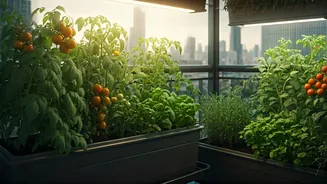
The farm-to-table movement isn't just for humans. While you shouldn't let your pet graze freely, many products of an urban farm can supplement a pet's diet. A small amount of freshly harvested, organic carrots can be a crunchy, healthy treat for a dog. A sprinkle of certain herbs can add flavor and nutrients to their food. Some urban farms even partner with local pet food makers or sell “pet produce boxes” with curated, animal-safe vegetables. This direct connection to the food source ensures freshness and quality, free from the long-distance shipping and preservatives common in mass-market products. It allows pet owners to provide a more holistic and varied diet, mirroring the way an animal might have eaten naturally.
4. Quality Time and Stronger Bonds
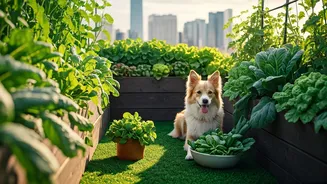
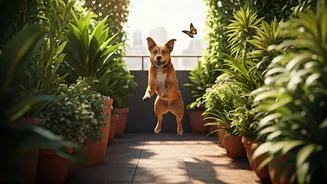
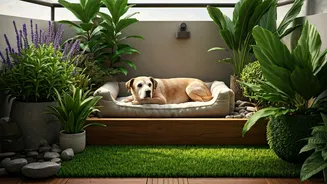
A shared activity is one of the best ways to strengthen the bond between a person and their pet. Urban farming projects provide a unique, calming venue for this. Tending to a small garden plot with a leashed dog relaxing nearby creates a shared, peaceful experience. It's a world away from a rushed walk around the block, dodging traffic and crowds. This quiet co-existence builds trust and reinforces the pet’s sense of security. The focused, gentle work of gardening often has a calming effect on the owner, and pets are incredibly attuned to our emotional state. When we are relaxed and happy, they are more likely to be as well. The garden becomes a mutual sanctuary.
5. A New Kind of Socialization
Dog parks can be chaotic and overwhelming for some pets. A pet-friendly community garden offers a different, more structured social environment. Here, interactions are often calmer and more spread out. Pets learn to coexist in a shared space without the high-octane pressure of a dedicated run. It’s an opportunity for dogs to practice polite social skills and for owners to connect with other pet lovers in their community. These spaces foster a sense of neighborhood belonging that includes all its members, two-legged and four-legged alike. The shared interest in gardening and pets creates a natural conversation starter, building a support network for owners and a familiar, friendly environment for their animals.