





Why Protein Isn't Just for Bodybuilders
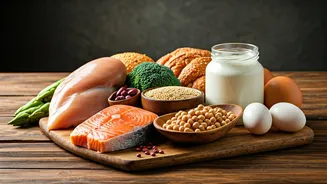
Before we get to the “how,” let’s cover the “why.” Protein is a master macronutrient essential for nearly every function in your body. Composed of amino acids—the body's building blocks—it’s crucial for repairing cells, building and maintaining muscle
mass, supporting immune function, and producing vital enzymes and hormones. A protein-rich meal also promotes satiety, that feeling of fullness and satisfaction that helps curb overeating and stabilizes energy levels throughout the day. While the image of protein often involves a bodybuilder shaking up a post-workout drink, its role is fundamental for everyone, regardless of their activity level. Getting enough ensures your body has the raw materials it needs to stay strong, resilient, and healthy.
Calculating Your Daily Protein Needs
So, how much do you actually need? The Recommended Dietary Allowance (RDA) for a sedentary adult is 0.8 grams of protein per kilogram of body weight. To figure out your baseline need, simply take your weight in pounds, divide it by 2.2 to get your weight in kilograms, and then multiply that number by 0.8. For example, a 150-pound person would need about 55 grams of protein per day (150 lbs / 2.2 = 68 kg; 68 x 0.8 = 54.4g). Keep in mind, this is a starting point. If you’re highly active, pregnant, or aiming to build muscle, your needs will be higher, potentially ranging from 1.2 to 2.0 grams per kilogram. But for most people, the RDA is a solid target to aim for, and it's an achievable one on a vegetarian diet.
The Heavy Lifters: Legumes and Soy
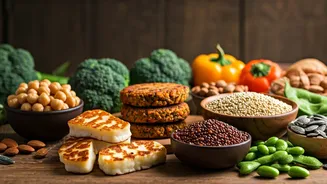
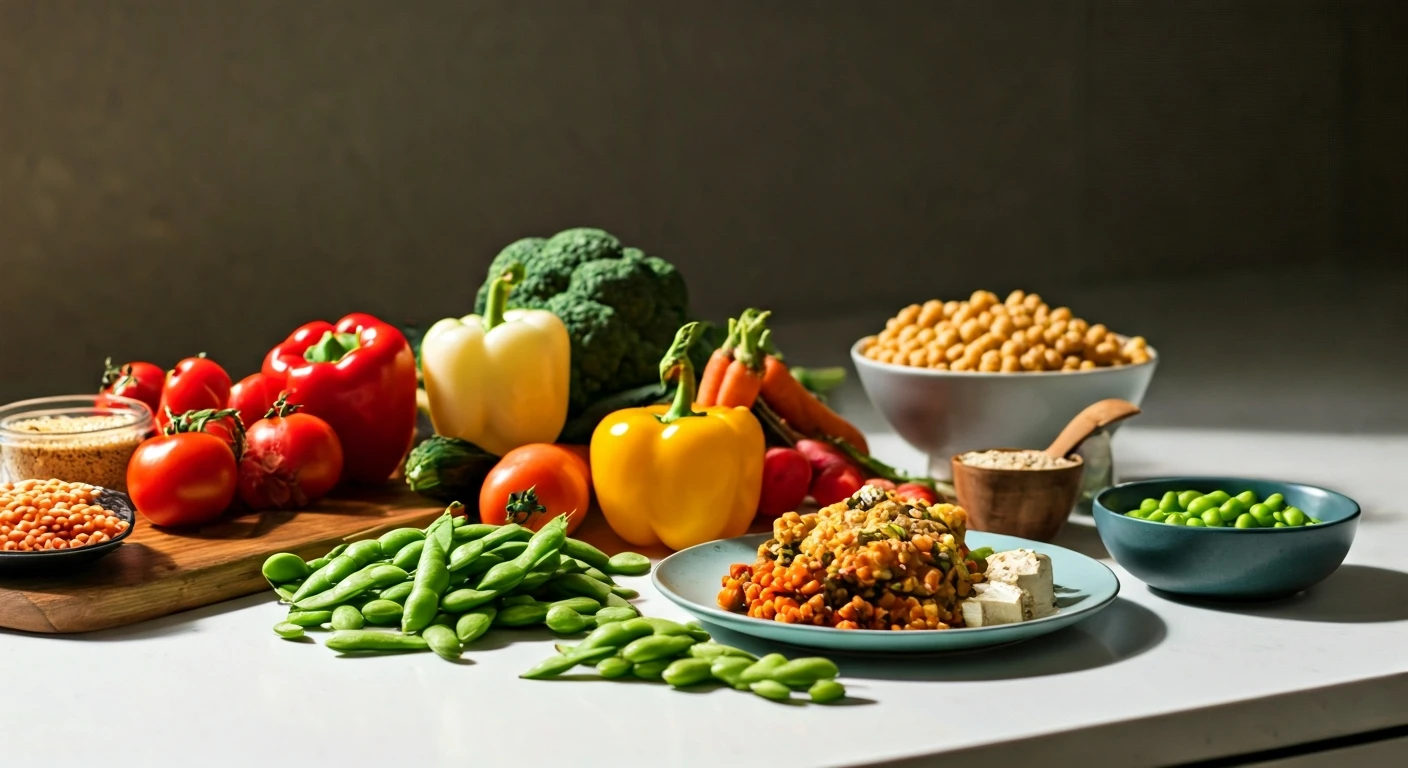
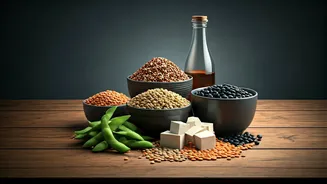
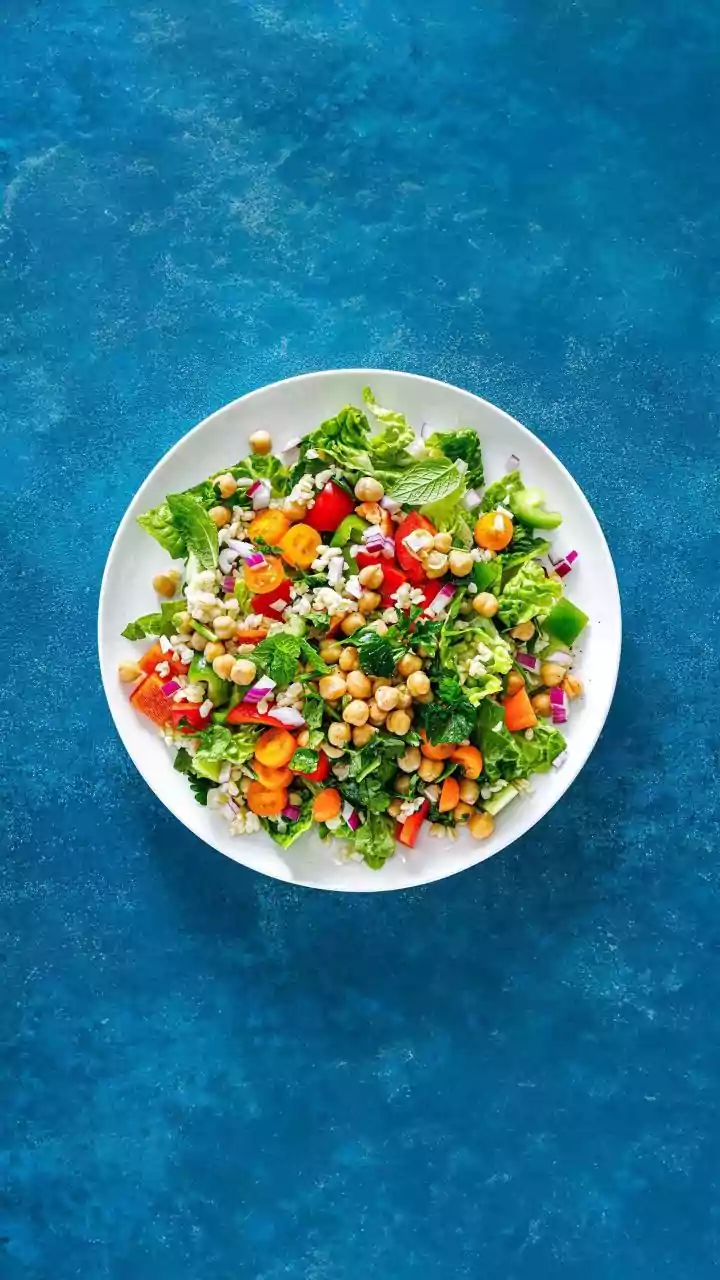
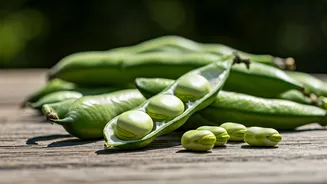
When it comes to vegetarian protein, legumes are the undisputed champions. This category includes beans (black, kidney, pinto), chickpeas, and lentils. A single cup of cooked lentils packs an impressive 18 grams of protein, while a cup of chickpeas offers around 15 grams. They are also loaded with fiber, which aids digestion and heart health. Equally powerful is the soy family. Tofu, tempeh, and edamame are complete proteins, meaning they contain all nine essential amino acids your body can't produce on its own. A half-cup of firm tofu provides about 22 grams of protein, while a cup of edamame offers around 18 grams. These foods are incredibly versatile, absorbing flavors in stir-fries, salads, and scrambles, making them an easy and effective foundation for any protein-focused meal.
Power from Grains, Nuts, and Seeds
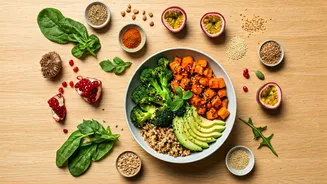
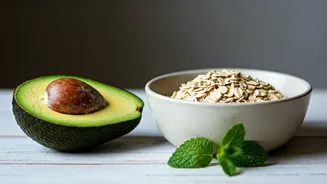
Protein isn't just found in the bean aisle. Many grains, nuts, and seeds are surprisingly potent sources. Quinoa stands out as another complete protein, offering over 8 grams per cooked cup. Even humble oats provide about 6 grams in a serving. Seitan, made from wheat gluten, is a protein powerhouse with roughly 25 grams per 3-ounce serving, making it a popular meat substitute. Nuts and seeds are perfect for boosting the protein content of any meal or snack. Almonds, peanuts, and pistachios are great choices. Two tablespoons of peanut butter can add 8 grams of protein to your toast or smoothie. Don't overlook seeds like chia, hemp, and flax; just two tablespoons of hemp seeds contain nearly 10 grams of protein and can be easily sprinkled over yogurt, oatmeal, or salads.
Don't Forget Dairy and Eggs
For lacto-ovo vegetarians (those who consume dairy and eggs), hitting protein goals becomes even easier. A single large egg contains about 6 grams of high-quality, complete protein. Greek yogurt is a modern superstar, with a typical single-serving container offering between 15 and 20 grams of protein. Cottage cheese is another classic, with a cup providing over 25 grams. Even a glass of milk has about 8 grams. These foods not only provide a significant protein punch but also offer essential nutrients like calcium and vitamin D. Integrating a serving of dairy or an egg into your daily meals is one of the simplest strategies for ensuring your protein intake remains consistently high.