


The New Definition of Local
For years, the gold standard for freshness was “local.” It evoked images of sun-drenched fields just outside the city limits, with produce trucked in for Saturday morning markets. But in dense urban landscapes from New York to San Francisco, a new, more
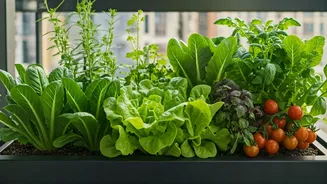
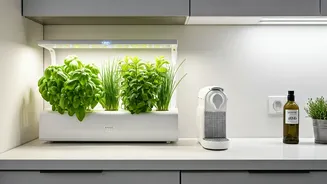
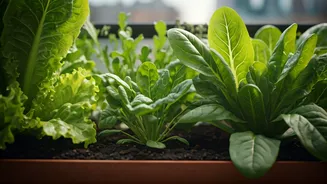
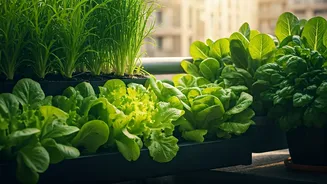
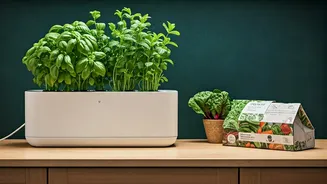
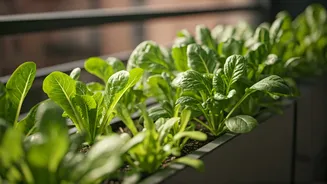
radical definition of local is taking root. This is hyper-local, a movement driven by food-conscious urbanites who are bypassing the entire supply chain to cultivate their own greens, herbs, and small vegetables right where they live. Forget community garden plots with year-long waiting lists. The new frontier of urban agriculture is happening on balconies, in spare corners of studio apartments, and on kitchen countertops. It’s a trend fueled not by a desire to live off the grid, but by a very modern combination of culinary passion, tech-enabled convenience, and a growing awareness of where our food comes from—and how far it has to travel.
The Technology Behind the Trend
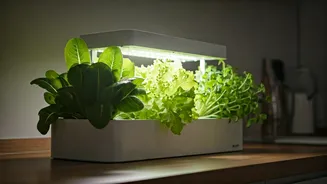
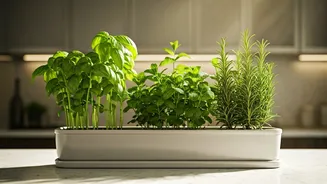
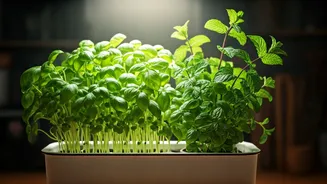
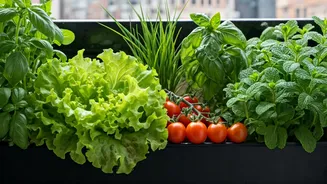
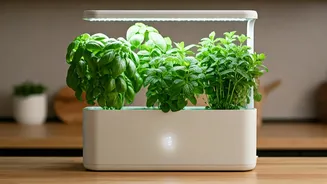
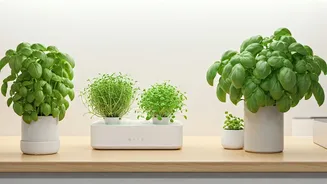
This isn’t your grandmother’s windowsill herb garden. The balcony farming boom is powered by sophisticated, consumer-friendly vertical gardening systems. These are often sleek, self-contained units that look more like modern furniture than farm equipment. Most rely on one of two soil-free methods: hydroponics or aeroponics. In a hydroponic system, plant roots are submerged in a nutrient-rich water solution. Automated pumps circulate the water, while integrated LED grow lights mimic the sun, allowing for a year-round growing season regardless of weather or window exposure. Aeroponics goes a step further, misting the plant roots with a nutrient-dense vapor. These methods are remarkably efficient, using up to 95% less water than traditional soil farming and producing faster, more robust growth in a fraction of the space. Companies like Gardyn, Lettuce Grow, and Rise Gardens have created plug-and-play systems that come with pre-seeded pods, making it possible for a complete novice to be harvesting their own kale, basil, and cherry tomatoes within weeks.
More Than Just a Great Salad
While the immediate reward is an incredibly fresh, crisp salad, the motivations run deeper. For many, it's about control and transparency. Growing your own produce means you know exactly what’s in it—and what isn’t. There are no mystery pesticides, no long-haul shipping that degrades nutrients, and no waxy coatings. This resonates powerfully with a generation of consumers accustomed to scanning labels and questioning sourcing. There's also a powerful psychological component. The pandemic highlighted the fragility of global supply chains and renewed interest in self-sufficiency. Tending to a small, productive garden provides a tangible connection to nature in a concrete world, a daily ritual that can reduce stress and foster a sense of accomplishment. Plus, there’s the undeniable foodie appeal. Imagine snipping fresh mint for a mojito or Genovese basil for a pesto that tastes more vibrant than anything you could buy at the store. It’s the ultimate culinary flex.
The Reality of the Balcony Farm
Of course, a single vertical garden won't replace your weekly trip to the grocery store. These systems are an investment, with initial costs for popular models ranging from $500 to over $1,000. There are ongoing costs for seed pods and nutrients, as well as a small but noticeable impact on your electricity bill from the pumps and grow lights. And while the technology is designed to be user-friendly, there is a learning curve. New growers must learn to manage pH levels, watch for pests, and understand the needs of different plants. Furthermore, the selection is largely limited to leafy greens, herbs, and small fruiting plants like strawberries and cherry tomatoes. You won't be growing potatoes, corn, or watermelons in a hydroponic tower. It's a supplement to your diet, not a replacement for the food system. But for its champions, that’s precisely the point. It’s not about achieving total food independence; it’s about reclaiming a small, delicious part of it.