





A Stage Set in the Clouds
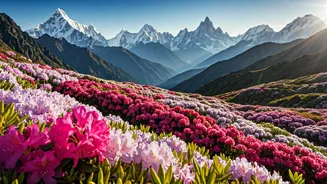
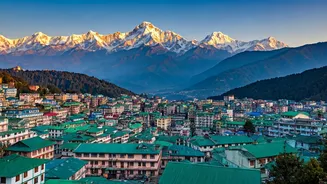
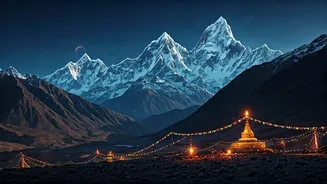
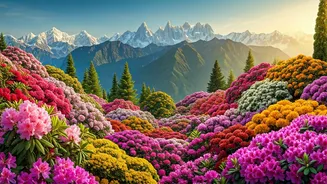
First, you have to picture the setting. Gangtok, the capital of India’s northeastern state of Sikkim, isn't your typical city. It’s a terraced town clinging to the side of a mountain ridge, with panoramic views of Kanchenjunga, the world's third-highest
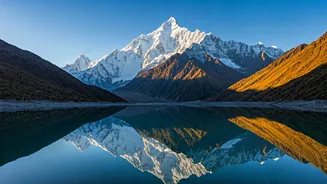
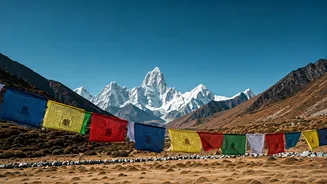
peak. Forget sprawling concrete jungles; think clean, crisp air, winding roads, and the peaceful hum of Buddhist prayer flags fluttering in the wind. This is a place where nature isn’t just a park—it’s the entire backdrop. It’s this dramatic, serene stage that hosts the annual Sikkim Summer Festival, an event that celebrates the region's brief, glorious transition from spring to summer, and it is a spectacle that many who attend consider one of the most beautiful in the country.
The Kingdom of Flowers
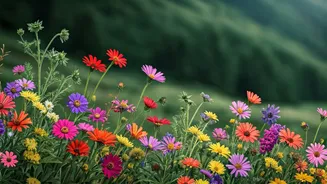
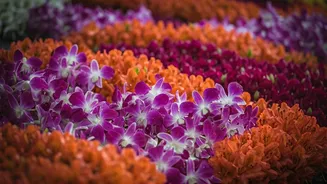
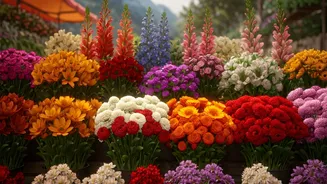
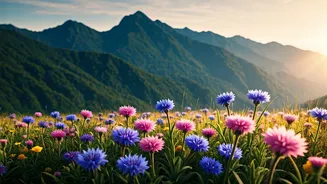
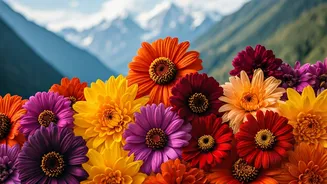
The undeniable star of the festival is the International Flower Festival, held at the White Memorial Hall complex. For several weeks, this venue transforms into a living kaleidoscope. Sikkim is a biodiversity hotspot, home to over 5,000 species of flowering plants, and the show is a curated explosion of this natural wealth. Visitors walk through exhibitions showcasing hundreds of varieties of orchids, some so delicate they look like spun sugar, others bold and tiger-striped. The main attraction, however, is the rhododendron. As Sikkim’s state tree, it’s celebrated in all its forms, with blossoms ranging from fiery red to soft pink and pure white. It’s not a sterile botanical display; it’s an immersive experience, a walk-in garden where the sheer density and vibrancy of the blooms feel almost surreal against the misty mountain air.
More Than Just Petals
But the beauty of the event isn’t confined to horticulture. The festival is a celebration of Sikkimese identity, a vibrant tapestry woven from its Lepcha, Bhutia, and Nepali communities. Throughout the city, you could hear the sounds of traditional music and see mesmerizing folk dances. Performers in intricate, brightly colored costumes perform ancient routines, like the graceful Maruni dance or the fierce Kagyed masked dance, telling stories of gods, demons, and the mountains themselves. This cultural showcase provides a profound context to the natural beauty. You're not just looking at pretty flowers; you're witnessing the deep connection between the people of Sikkim and the land that sustains them. It’s a living, breathing expression of heritage that makes the visual feast all the more meaningful.
A Taste of the Himalayas
No festival is complete without food, and the Sikkim Summer Festival is no exception. Food stalls pop up, offering visitors a chance to sample the unique flavors of the region. The air fills with the savory steam of momos—delicious Tibetan-style dumplings filled with vegetables or meat—and the comforting aroma of thukpa, a hearty noodle soup perfect for the cool mountain evenings. There’s also a chance to try local specialties like gundruk (fermented leafy greens) and sinki (fermented radish), offering an authentic taste of Himalayan cuisine. It's the final sensory layer, grounding the ethereal beauty of the flowers and the ancient rhythms of the dances with the simple, profound pleasure of a shared meal. It completes the picture, making the festival not just a sight to see, but an experience to be fully savored.