


The New Urban Sanctuary
The penthouse has long been a symbol of urban success—a perch of steel and glass offering panoramic views of the man-made world. But for a growing number of discerning homeowners and designers, the ultimate luxury isn't just looking out at the city, but
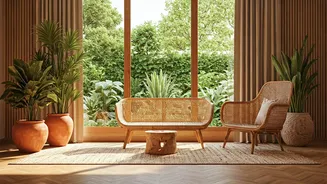
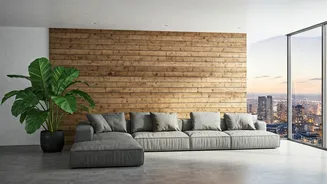
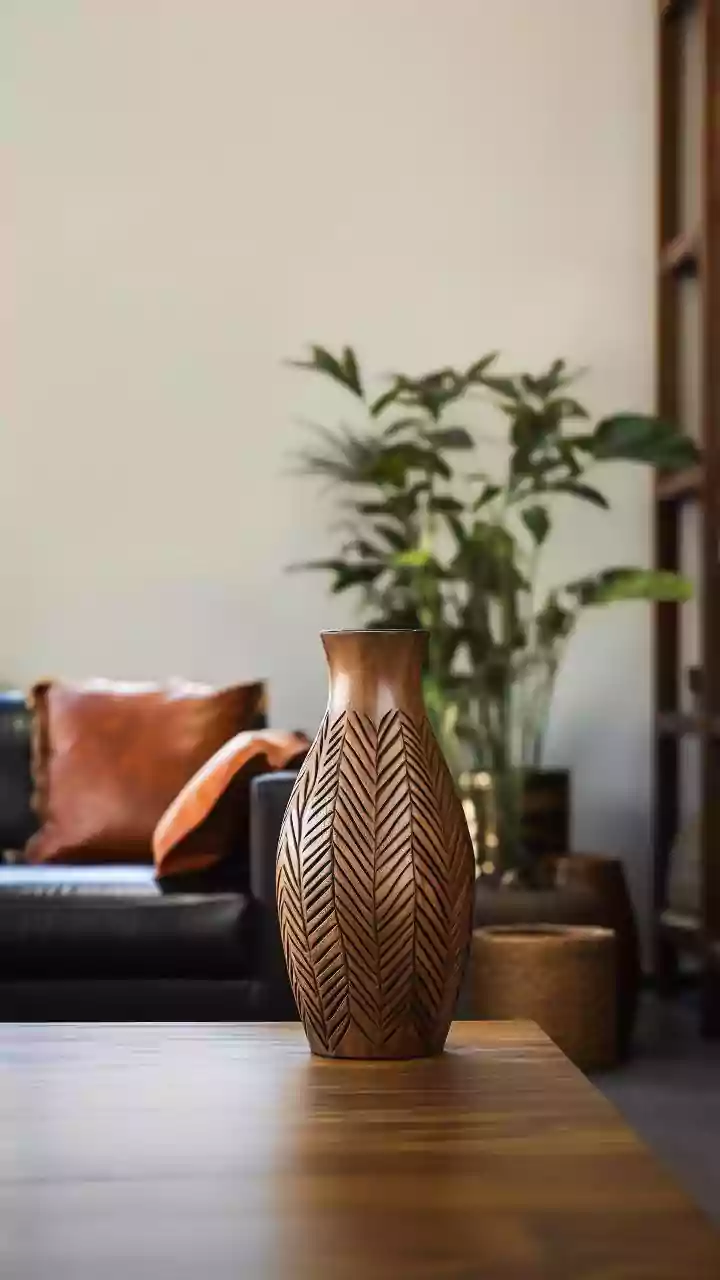
creating an internal sanctuary that feels worlds away from it. Enter the powerful, grounding presence of wood. This isn't the polished, homogenous hardwood of suburban homes. This is wood in its most expressive forms: wide planks of reclaimed oak with histories etched into their grain, feature walls of rough-hewn timber, and ceilings clad in warm, inviting cedar. The trend is a direct response to our increasingly digital and detached lives, a conscious effort to reintroduce tactile, organic sensations into sterile environments.
Beyond the Floorboards
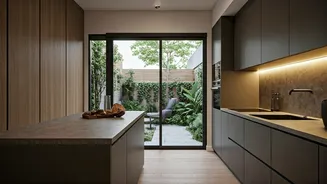
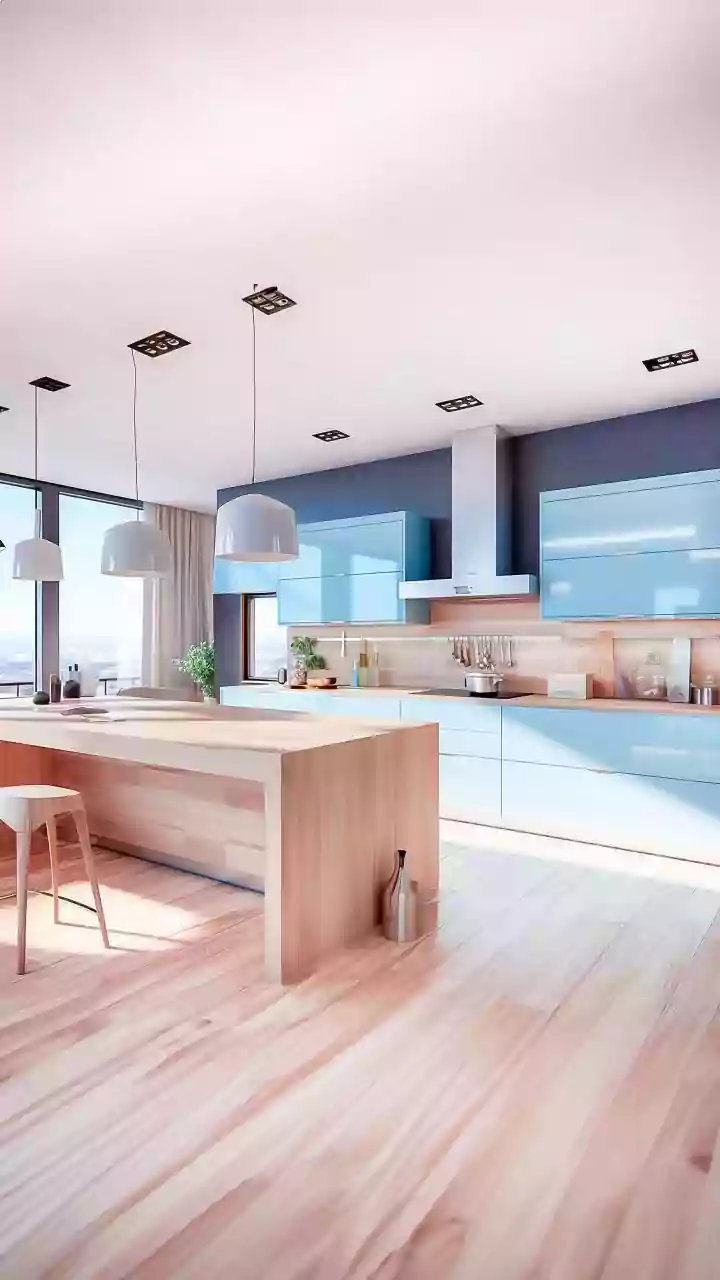
The application of wood in these elite spaces is both bold and sophisticated. Designers are moving beyond flooring and using wood as a primary architectural and decorative material. Imagine a monolithic kitchen island sculpted from a single block of walnut, its live edge preserving the natural contour of the tree. Picture a floating staircase with thick, cantilevered treads that feel both massive and light. We're seeing entire walls paneled in artfully arranged patterns, from herringbone to chevron, and even ceilings that draw the eye upward with intricate woodwork, creating the feeling of being under a protective, natural canopy. Techniques like 'shou sugi ban,' the Japanese art of charring wood, are being used to create blackened, alligator-skin textures that contrast dramatically with smooth plaster and polished metal.
The Psychology of Natural Materials
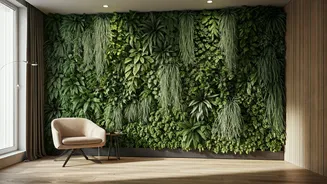
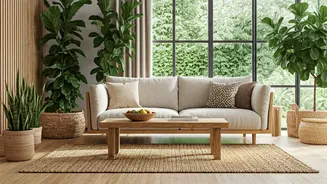
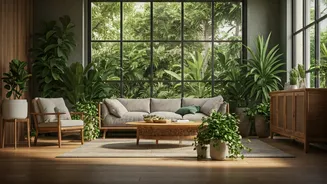
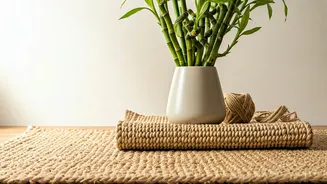
This trend is deeply rooted in the principles of biophilic design—the idea that humans have an innate tendency to seek connections with nature. Studies have shown that incorporating natural elements like wood, stone, and plant life into our built environments can have measurable psychological benefits. The visual complexity of wood grain, the feel of its texture, and even its subtle scent can help reduce stress, lower blood pressure, and improve overall well-being. In a penthouse, which can sometimes feel isolated and detached from the earth, these elements serve as a vital link. They provide a sense of warmth, stability, and permanence that glass and steel, for all their sleekness, simply cannot offer. It’s a design choice that nourishes the soul as much as it pleases the eye.
A Balancing Act: Raw and Refined
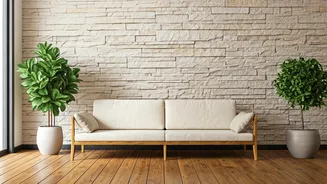
The genius of this trend lies in its balance. This is not about creating a rustic log cabin in the sky. The success of using raw wood in a modern penthouse hinges on contrast. The knotty, imperfect character of a reclaimed beam is amplified when set against a crisp, white wall. The warmth of a walnut accent is made richer when paired with cool, grey concrete floors. It’s the interplay between the raw and the refined, the organic and the engineered, that creates true visual and emotional impact. These spaces remain unequivocally modern, with their open floor plans, minimalist furnishings, and state-of-the-art technology. The wood doesn't overwhelm the design; it enriches it, providing a focal point of texture and warmth that makes the entire space feel more cohesive and human.